Water Damage Restoration in Williams Creek, Indiana
When water is spreading through your Williams Creek home right now, Williams Creek Water Restoration delivers fast, around the clock emergency response across the 46208 and 46260 service area. Our IICRC certified crews handle full mitigation through reconstruction and coordinate directly with your insurance carrier.
If we miss your call because we're out helping another homeowner, we'll call you back within 15 minutes.


Flooded basement, burst pipe, or sewage backup in Williams Creek? Williams Creek Water Restoration answers 24/7 with certified crews, fast water removal, and drying that gets measured, not guessed, plus full insurance documentation. Call (317) 342-7736.
- Services: water damage restoration, basement flooding, sewage cleanup, storm damage
- Service area: Williams Creek, Marion County, IN and surrounding areas
- Response time: Same day for Williams Creek inquiries; 24/7 emergency service available
- Licensed and insured (License #RC21100059)
- Serving Williams Creek, IN since 2018
Schedule Your Free Damage Assessment
Every Williams Creek inspection starts with a room by room walkthrough, because water rarely stays where it started. We measure walls with non penetrating meters at multiple heights, then confirm with penetrating pin meters where readings suggest deeper saturation. Baseboards, trim, subfloors, insulation in suspect cavities, behind cabinets and appliances, under sinks, around water heaters and washing machines, and the full basement perimeter and slab joints are all checked. A thermal imaging camera maps temperature differentials that flag hidden moisture inside wall assemblies, and a hygrometer logs ambient humidity to establish the drying environment. Thorough mapping is what prevents the most expensive problem in restoration, the pocket of trapped moisture that fuels mold growth a month after the visible water is gone. Williams Creek homes with full basements and original plaster walls especially reward a careful first pass.
I agree to be contacted by Williams Creek Water Restoration regarding my inquiry.
Crawl space water problems stay hidden until they don't. Standing water under a Williams Creek home breeds mold, rots joists, and drives humidity into living spaces. Crawl space water removal and drying protects the structure the whole house stands on.
Our crew works the full Marion County area including Williams Creek and surrounding cities. IICRC S500 certified for water restoration and S520 for mold remediation. Serving Williams Creek homes since 2018. Every job is documented with timestamped moisture readings, photos at every stage, and the paperwork your carrier needs to pay the claim.
Prevention advice comes free with every Williams Creek job: where your main shutoff lives, what your sump needs, which supply lines to replace before they fail. The best repeat customer is the one who never needs us twice for the same reason.
Payment Options That Work for You
A water loss is rarely a planned expense. Our lender partners offer terms that fit a range of budgets so you can move forward while insurance settles. Ask Williams Creek Water Restoration for current rates.
Pay for your project at a later time, but lock in today's pricing. Ideal for homeowners waiting on insurance settlements.
- No payments for 12 months
- No interest if paid in full
- Lock in current pricing today
Divide your project cost equally across 12 months with zero interest. Most homeowners choose this option for predictable budgeting.
- Equal monthly payments
- 0% interest for 12 months
- Simple, predictable budgeting
Spread your investment over up to 20 years with fixed equal payments. The right choice for larger projects or homeowners who prefer lower monthly amounts.
- Up to 20-year terms available
- Fixed equal payments
- Ideal for larger restoration projects
Subject to credit approval. Ask your project lead for current terms and promotions.
What Williams Creek Water Restoration Does
Williams Creek Water Restoration works on homes and businesses, and every job starts with a moisture check of the affected rooms.
Water Damage Restoration in Williams Creek
Full scope water damage restoration for Williams Creek homes, from extraction and structural drying through mold prevention and reconstruction, performed to IICRC S500 standard.
Learn moreBasement Flooding in Williams Creek
Basement flood response for Williams Creek properties, including water extraction, dehumidification of the full basement volume, sanitization, and reconstruction of damaged finishes.
Learn moreSewage Cleanup in Williams Creek
Serving Williams Creek: category 3 sewage cleanup with full containment, contaminated material removal, antimicrobial treatment, and structural drying performed per IICRC S500 biohazard protocol.
Learn moreStorm Damage in Williams Creek
In Williams Creek, storm driven water intrusion response, including extraction, structural drying, controlled demolition where needed, and reconstruction of affected interior finishes.
Learn moreCommercial Water Restoration in Williams Creek
For Williams Creek addresses, commercial water damage restoration for offices, retail, and multi unit properties, with after hours scheduling and documentation built for commercial insurance carriers.
Learn moreCommercial Flood Damage Cleanup in Williams Creek
For Williams Creek addresses, large loss flood cleanup for commercial properties, including high capacity extraction, commercial dehumidification, and coordinated reconstruction to minimize business interruption.
Learn moreCommercial Sewage Cleanup in Williams Creek
Serving Williams Creek: commercial sewage cleanup with proper containment, OSHA-compliant PPE, contaminated material disposal, and antimicrobial remediation per IICRC S500.
Learn moreCommercial Mold Remediation in Williams Creek
For Williams Creek addresses, commercial mold remediation performed to IICRC S520 standard, including containment, HEPA filtration, contaminated material removal, and post remediation verification.
Learn moreCommercial Storm Damage in Williams Creek
In Williams Creek, commercial storm damage response covering water intrusion, structural drying, and reconstruction of damaged interior assemblies for businesses and multi tenant properties.
Learn more
Local Expertise, Real Results
Documented moisture readings, written scopes, daily drying logs, the trust comes from the paperwork, not the pitch.
What Williams Creek Water Restoration brings to Williams Creek restoration: a phone that gets answered, a crew that shows up, work that gets documented, and a closeout that supports your claim. Indiana licensed. IICRC trained. Aaron Christy runs the work.
Williams Creek Water Restoration serves Williams Creek and the surrounding Marion County communities including Meridian Hills, Nora, Broad Ripple, and Spring Mill Woods with residential and commercial water damage restoration. Our crews are experienced technicians, a licensed crew, every technician working in your home is IICRC certified, licensed, and insured. We respond to water emergencies across Williams Creek day and night, from a burst supply line at 2 AM to a basement that filled during a Saturday afternoon storm. The company has been doing restoration work across north Indianapolis long enough to know how Marion County homes are built, where the moisture hides, and how local adjusters expect a claim to be documented.
Every Williams Creek job runs to the IICRC S500 standard for water damage restoration, and any mold work follows IICRC S520 protocol. That means a real moisture assessment with thermal imaging and meter readings before equipment is staged, controlled extraction matched to the category of water, structural drying with monitored airflow and dehumidification, and antimicrobial application where the science calls for it. We verify dry standard with documented readings before any reconstruction begins, so you are not painting over a wall cavity that still holds 22% moisture. The rigor exists for a reason, the hidden moisture you skip today is the mold call you make in 45 days.
Our Promise
Our promise to Williams Creek homeowners is straightforward. You get fast emergency response, dispatched day or night, with a real crew and real equipment on the truck when we arrive. You get IICRC certified technicians trained to the S500 standard, a consistent crew of temp work. And you get a free on site inspection before any work is authorized, with insurance coordination if you have an active claim so the scope, the documentation, and the deductible conversation are handled cleanly.
What We Do in Williams Creek That Others Skip
IICRC certified crews, documented drying to verified standard, and pricing you see before work begins, that is the standard Williams Creek homeowners can expect from start to finish.
Around the Clock Emergency Dispatch
Water damage does not wait for business hours, and neither do we. Call our 24/7 emergency line and crews are dispatched to Williams Creek with extraction equipment, dehumidifiers, and air movers already loaded. A certified technician leads every response, so the first hour on site is productive, not exploratory.
IICRC S500 Certified Crews
Every technician working in your home is IICRC certified to the S500 water damage standard, with S520 training for mold work. In practice that means proper Category determination, correct equipment sizing for the affected square footage, and documented moisture readings until materials hit dry standard. The certification is the floor, not the ceiling.
Mitigation Through Reconstruction
Most restoration companies dry your Williams Creek home then hand you off to a separate general contractor for the rebuild. We handle drywall, flooring, paint, trim, and finish work in house. One company, one project manager, one schedule from the first extraction pass through final walk through.
Insurance Documentation Done Right
We work with your insurance carrier the way adjusters want to see it, photo and video of every affected area before mitigation, written moisture maps, daily logs, scope justified to IICRC standard. Williams Creek claims process cleanly when the paperwork is right. We do that part so you do not have to.
Real Jobs. Real Results.
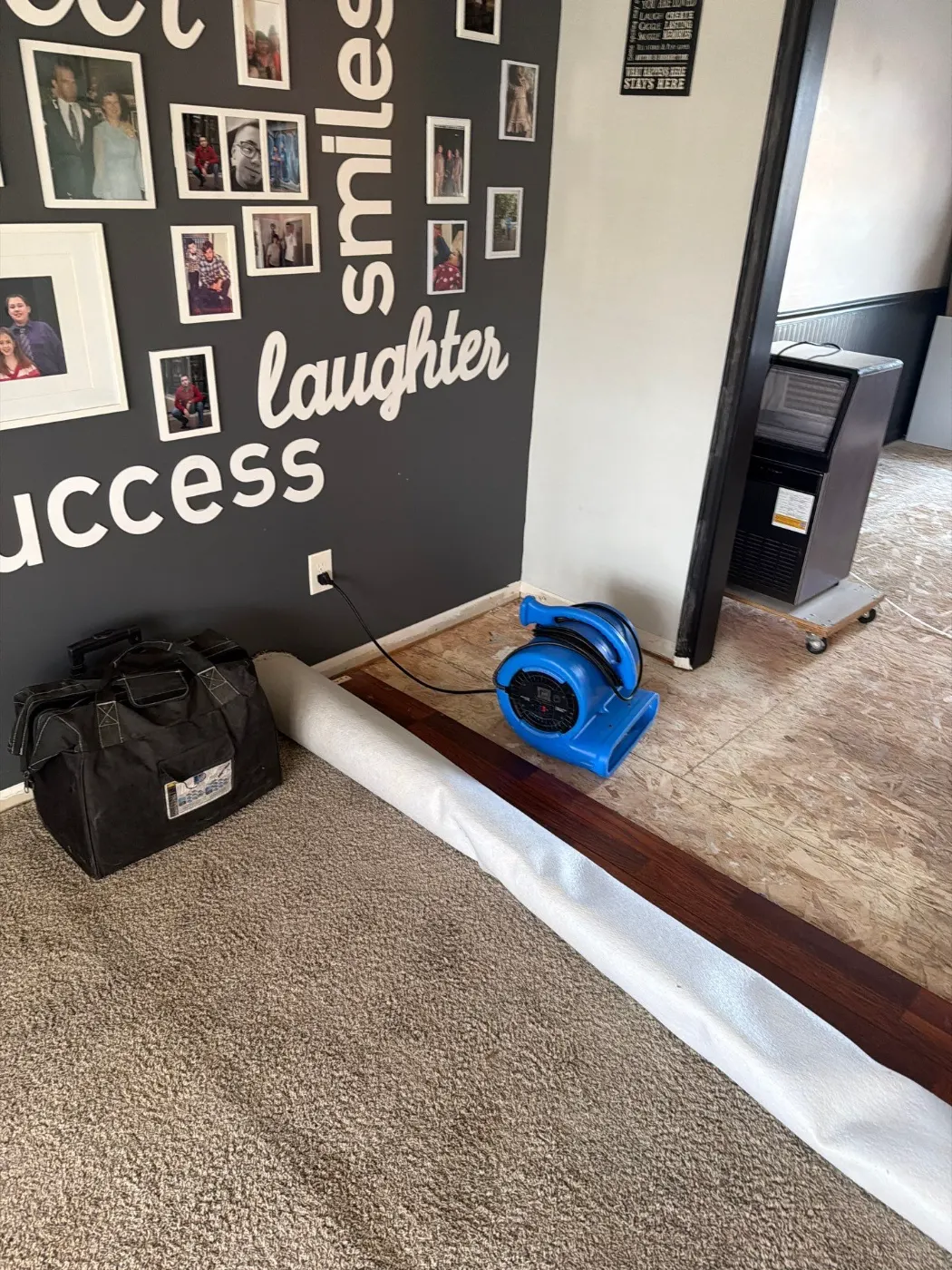
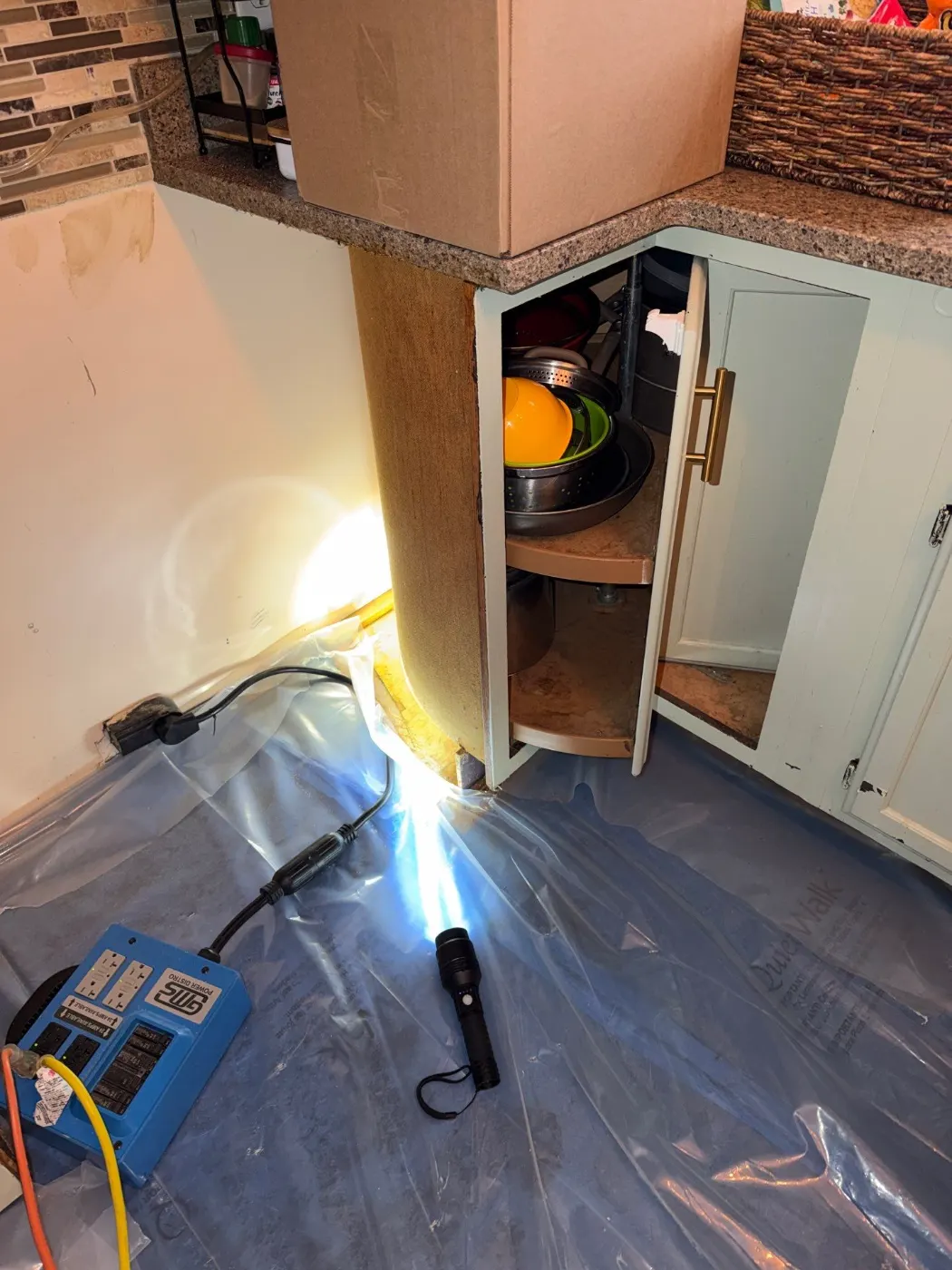
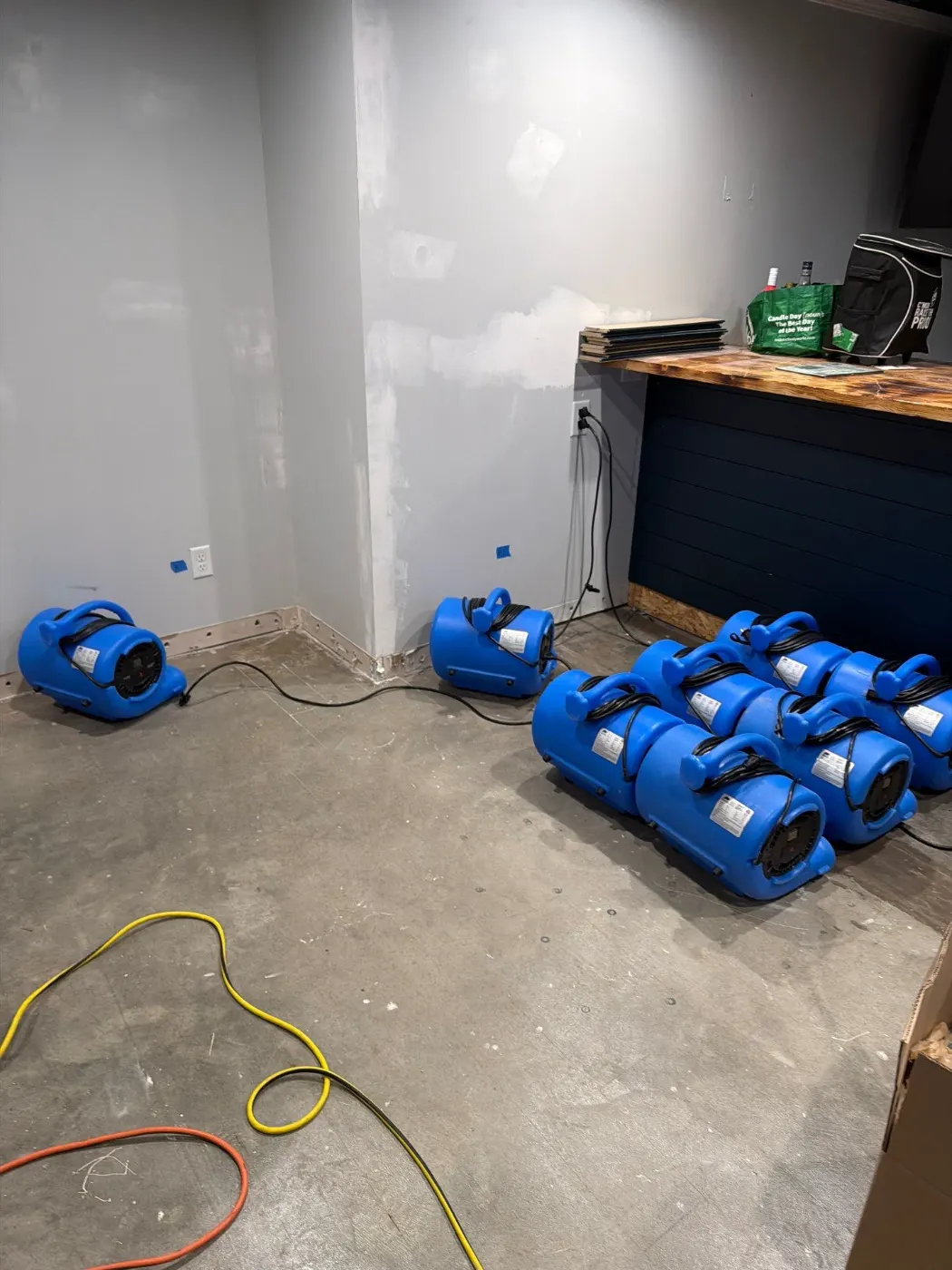
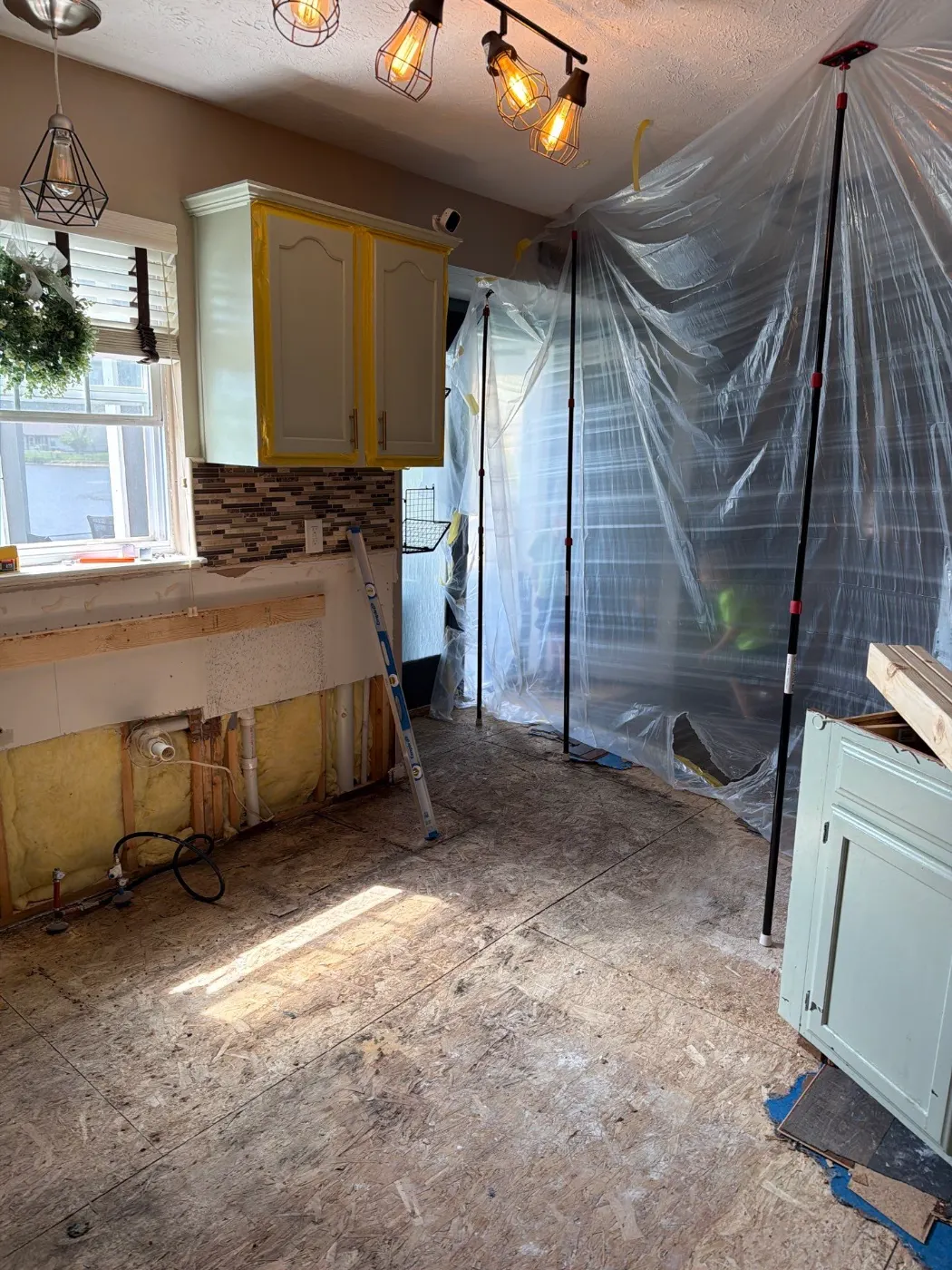
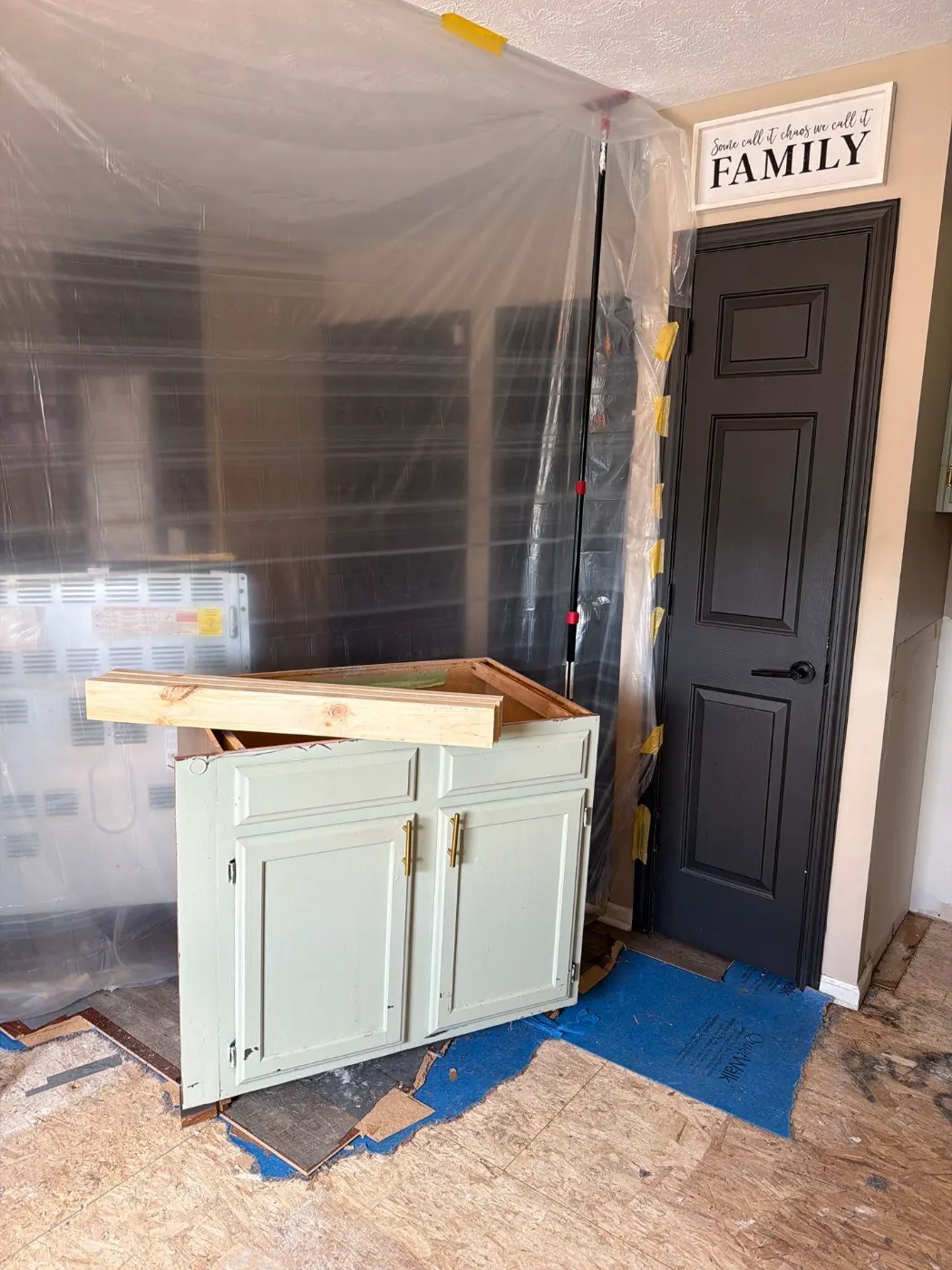
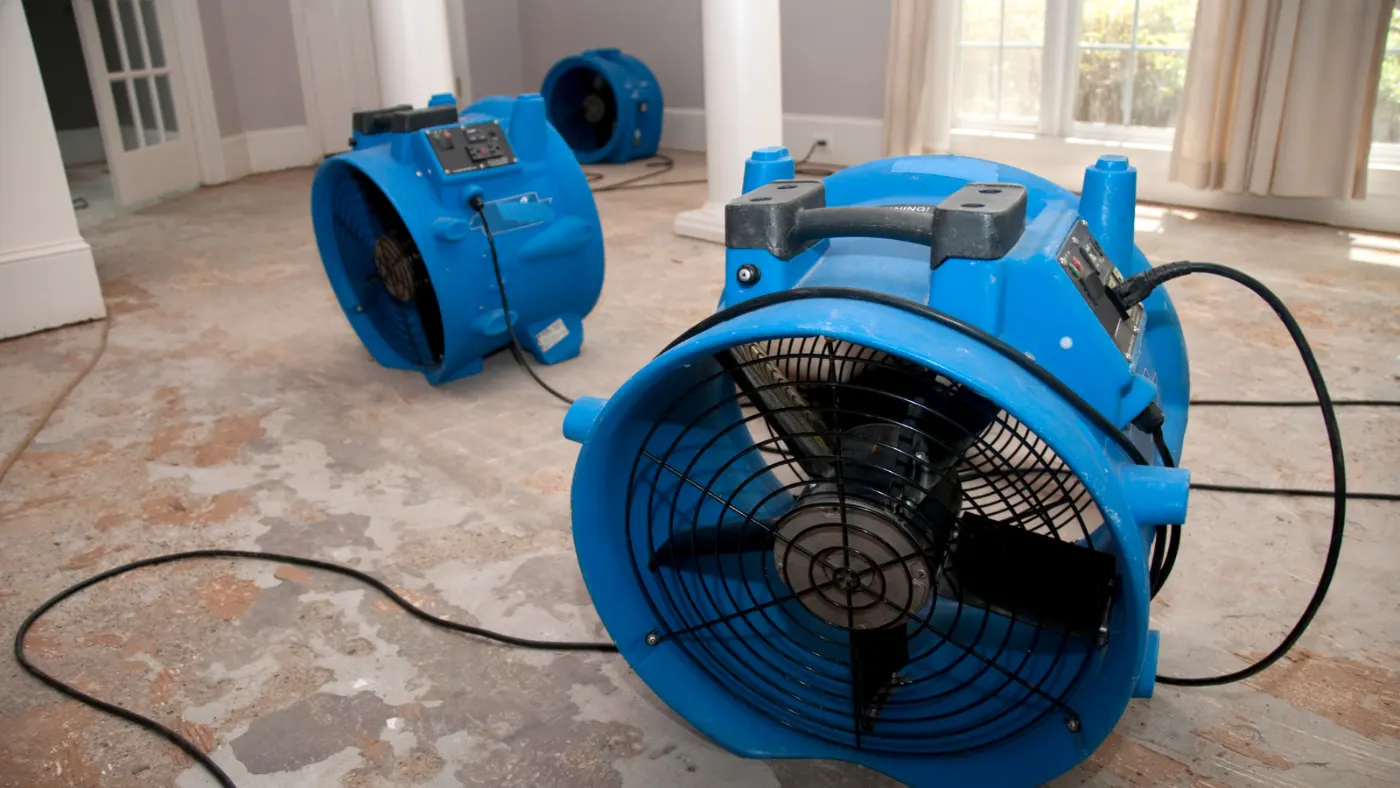
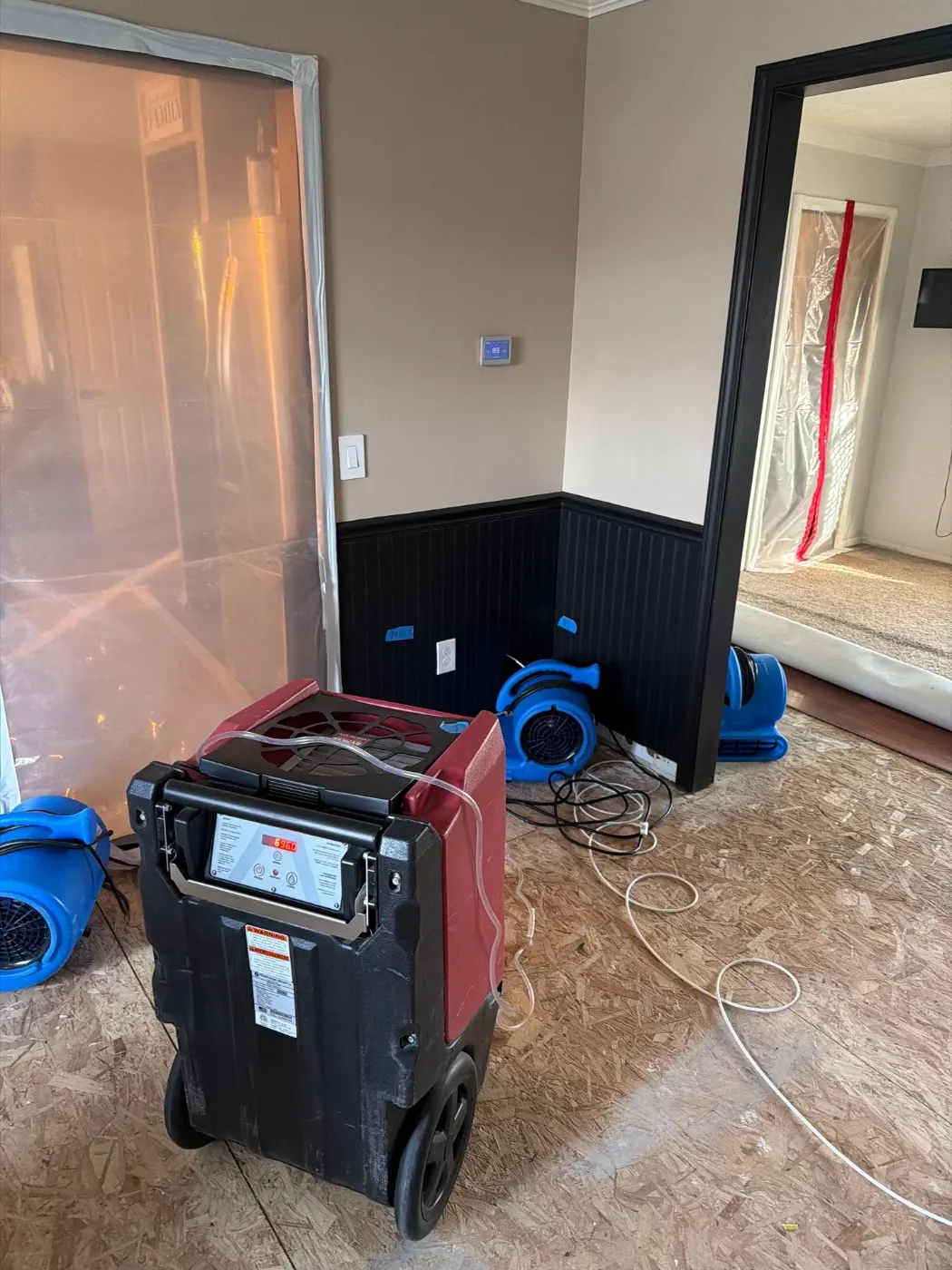
Recent water damage restoration projects across Williams Creek, Meridian Hills, and the broader Marion County service area, residential and commercial, from single room losses to full basement floods.
What Happens After You Call Us in Williams Creek
The first phase on any Williams Creek loss is moisture assessment and Category determination. A certified technician walks the home with you, identifies the source (broken supply line, dishwasher hose, sewer backup through a floor drain, storm intrusion through a foundation crack), then maps the affected area with thermal imaging and moisture meters. Water is classified Category 1, 2, or 3 per IICRC S500, because the category dictates everything that follows, extraction method, PPE, what materials can be dried in place versus removed. This phase typically takes one to two hours and produces the written scope your insurance carrier will work from.
Phase two is insurance coordination and documentation. Before any extraction equipment runs, every affected room is photographed and video walked, meter readings are logged with locations, and a written moisture map is built. We contact your adjuster directly, send the documentation package, and match scope of work to coverage so authorization moves quickly. Most Williams Creek homeowners never see this paperwork, we handle it with the carrier so you are not on a three way call explaining what a Category 2 loss is. The deductible conversation is yours, the scope justification is ours.
Phase three is drying execution and controlled reconstruction. Air movers and dehumidifiers are placed based on structural drying calculations matched to the affected square footage and material types, then monitored daily with logged readings until structures hit dry standard (moisture content matched to unaffected reference materials in the same home). Demolition happens only where materials cannot be dried in place, drywall flood cuts, saturated insulation, delaminated subfloor. Then the rebuild phase begins, drywall, insulation, flooring, paint, trim, finish carpentry, handled to bring the home back to pre loss condition.
Rapid Williams Creek Dispatch
Call comes in, crew loads, truck rolls to Williams Creek with extraction units, dehumidifiers, air movers, thermal camera, and meters already staged. A certified tech leads every response so the first walkthrough is productive. No second trip for equipment we should have brought the first time.
Category Determination
Water is classified Category 1, 2, or 3 per IICRC S500 protocol before any drying decision is made. Meter readings are logged, the source is documented, and a written assessment is produced. Category determines PPE, extraction method, and which materials can be saved versus removed.
Insurance Partnership
We work with your insurance carrier and coordinate directly with your adjuster. Scope is justified to industry standard, documentation is delivered in the format carriers expect, and you get a clear picture of what is covered before work proceeds. Invoicing stays transparent right through the end.
Verified Dry Standard
Drying is not done when the carpet feels dry, it is done when meter readings on affected materials match unaffected reference materials in the same home. Daily monitoring with logged readings confirms progress, and reconstruction does not start until the structure is verified dry.
Williams Creek Homes’ Common Water Risks
Vacant Property Freeze
If a Williams Creek property is going to sit empty through winter, shut the water off at the main and drain the system, or keep the heat on and have somebody check it weekly. A remote temperature alarm costs very little next to what we usually get called for.
Fire Sprinkler Discharge
For a Williams Creek building owner the priority order is the valve, then the electrical, then the water. We coordinate the shutdown with your fire protection contractor, document the affected areas floor by floor, and start extraction while the system is being reset.
HVAC Condensate Line and Pan
Condensate is clean at the start, then it drips into insulation and drywall and sits there in summer humidity. That combination moves it out of Category 1 quickly, which is why the ceiling assembly gets metered before anybody decides to paint over the stain.
Toilet Wax Ring and Flange Failure
A wax ring seals the toilet to the flange, and when it fails the leak goes down rather than out. Water follows the closet bolts through the subfloor and shows on the ceiling below long before anything looks wrong in the bathroom.
Appliance Failures
Slow appliance leaks are the worst kind because they’re invisible. By the time the wall behind the dishwasher shows water damage, the leak has often been running for weeks. Williams Creek crews see this regularly.
Burst Supply Lines
Indiana winters drop below freezing for weeks at a time. Williams Creek homes with poorly insulated supply lines see pipes freeze, expand, and burst. The damage shows up when the thaw begins and water starts flowing.
What to Do in the First Hour After Water Damage in Williams Creek
Most of what helps in the first hour is simple. Shut off the source and stay clear of anything electrical that got wet, then work through the rest of this list while our crew heads your way.
1. Close the main valve first
Find the main shutoff and close it all the way. A round handle turns clockwise, and a lever handle turns so it sits across the pipe. If the valve won't move, your water utility can usually shut off service at the meter.
2. Unplug what you can reach safely
If a lamp or a space heater is plugged in near the water and the floor around it is still dry, unplug it and carry it to a dry room. Leave anything that's sitting in water exactly where it is for the crew.
3. Protect yourself first
If you have to step into wet areas, wear rubber boots and gloves. Take the basement stairs slowly if they're wet, and leave the cleanup of any dirty water to the crew.
4. Move what you can't replace
Carry keepsakes and important papers to a dry room upstairs. Then pick up anything sitting on a wet floor, starting with cardboard boxes and anything made of paper, since those soak up water quickly.
5. Protect wood floors and furniture
Wood soaks up water quickly, so wipe off what you can and set furniture legs on foil or small blocks. Pick up area rugs so the floor under them can start to dry, and roll heavy ones onto a dry surface.
6. Leave the record to us
You have enough to deal with in the first hour. Our crew documents the damage with photos and moisture readings as soon as we arrive, and we walk you through what we found once the work is underway.
7. Wipe down what you can
Wipe water off wood furniture and counters with dry towels, and set wet cushions on their sides so they drain while you wait for the crew. Keep the towels you use in a bucket or the tub so they don't soak another floor.
8. Have a few details ready
It helps to know roughly when the water started and whether it's clean water from a pipe or dirty water from a drain. If you're unsure about either one, the crew sorts it out on site.
The crew takes over from here, starting with photos and moisture readings, so call when you've done what you safely can.
Three Simple Steps
Each step below gets documented, so you can see where the work stands at any point.
You Call, We Roll
The response window is short, so we treat it that way. Everything needed to start is on the truck. One call to our 24/7 line puts a crew on the road within 2 hours.
Mapping & Documentation
Every affected material is measured and the water is classified per IICRC S500. Hidden moisture is the whole reason this step exists.
Drying to Standard
Most Williams Creek homes hit dry standard in 3 to 5 days, verified before equipment leaves. Your home goes back the way it was, and the file says so.
What You'll See in Your Water Damage Photo Report
The photo report lets you see the damage for yourself, room by room, with the crew's photos and the readings behind every recommendation we make in your Williams Creek home. It starts on the first visit and grows as the drying goes.
The starting point
Every report opens with the starting point of the leak, photographed before anything is moved. Water that came from outside, like a window well or a storm, gets noted the same way, with photos of where it got in.
What a thermal camera shows
A thermal camera picks up the cooler surfaces that wet materials leave behind. When the crew uses one, the images go in the report next to the meter readings that confirm what the camera found.
Photos of every affected room
The crew photographs each affected room before anything is moved or removed, then again as the work moves along. You'll see the same corner of the same room on the first day and on the last.
What can dry where it is
Some materials can be dried right where they are, and some have to come out. The report shows which is which, with the readings behind each call, so you understand why a section of drywall or flooring is being removed.
Progress you can follow
Each visit adds a new set of readings and photos, so the report shows the drying day by day. If one spot dries slower than the rest, you'll see it in the numbers along with what the crew is changing to fix it.
Seeing it for yourself
The point of the report is that you can see the damage for yourself. We show you the same photos and readings the crew used, and you can ask about any of them before the work goes further.
Sharing the report
The report is yours to share with anyone you choose. We document damage with a photo report and walk you through what we found, so you can decide with your insurance company, and your own policy spells out what it covers.
The first photos and readings happen on day one, so call as soon as the water is off and everyone is safe.
What to Ask Before You Hire in Williams Creek
Ask any restoration company in Williams Creek these questions before you sign a work authorization.
Who handles repairs after drying?
Ask who replaces drywall, flooring, paint and trim once the structure is dry, and whether one company can do both stages.
Who will be working in my home?
Ask whether the crew works for the company you called or for a subcontractor, and who's in charge on site each day.
How will you show me it's dry?
Ask for moisture readings on the first visit and the last one, so you can see the numbers reach dry standard.
Can I see an itemized estimate?
Ask for every line item in writing. Many insurers price water losses in Xactimate, so an estimate in that format is easier for an adjuster to review.
Does my policy require a certain company?
Ask your adjuster before you sign anything, and read the work authorization so you know what you're agreeing to.
What happens if you find mold?
Ask how mold behind walls or under floors gets handled, and whether that work is priced apart from the drying.
Indiana Weather Drives Restoration Calls Year Round
Indiana weather keeps Williams Creek phones ringing year round, spring storms saturate Marion County clay soil and push groundwater into basements, January cold snaps burst supply lines in exterior walls, and summer humidity feeds mold in any cavity that stayed damp. Each season produces a different failure mode, and each demands a different response.
Spring Saturation Flooding
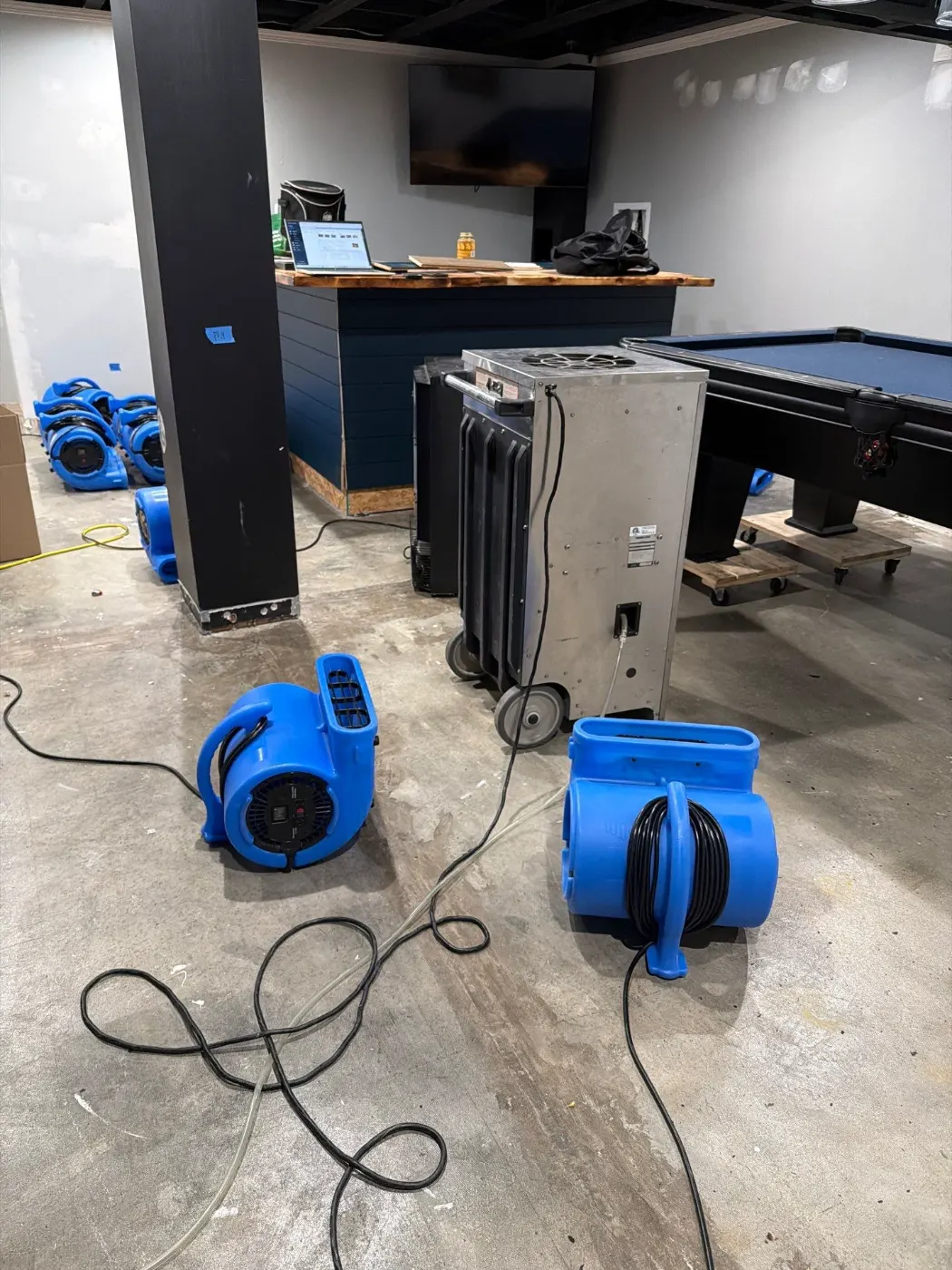
Marion County clay soil holds water long after the rain stops, and spring storms that drop two to three inches in an hour overwhelm the absorption capacity fast. Hydrostatic pressure pushes groundwater through foundation cracks and slab joints into Williams Creek basements. When we arrive, the work is extraction, dehumidification of the full basement volume, and identifying every saturated material before mold takes hold.
Winter Pipe Bursts
Indiana cold snaps below zero freeze supply lines in exterior walls, unheated crawlspaces, and unconditioned basement runs, and the burst usually happens during the thaw, not the freeze. A 1/2 inch supply line can release hundreds of gallons before anyone notices. Williams Creek homes with original galvanized or early copper runs are especially exposed, and we extract, dry, and document the loss for your carrier.
Severe Thunderstorms
North Indianapolis sits in a corridor with tornado activity well above the U.S. average, and severe summer storms regularly drive water through window seals, vent penetrations, and storm damaged building envelopes. The intrusion is rarely just what you can see. We map hidden moisture in wall cavities and dry the structure before secondary damage sets in.
Ice Dam Backflow
When snow melts on a warmer upper section and refreezes at the eaves, the dam pushes water backward under roofing and into ceiling cavities. By the time stains appear on Williams Creek ceilings, the insulation above is already saturated. We extract trapped water, dry the cavity, and address any mold colonization before drywall repairs go in.
Where Our Trucks Go in Williams Creek
The Williams Creek neighborhoods we cover, with notes on the homes in each one and where water usually gets in.
Where we respond near Williams Creek
Call from Williams Creek or a town close by, and a crew can be dispatched at any hour.
Williams Creek Homes, and What Goes Wrong in Them
The conditions that decide how a Williams Creek job goes.
About Williams Creek Homes
Williams Creek was initially developed between 1925 and the early 1940s, with a secondary post-World War II building boom filling out the community through the 1950s and 1960s; a small number of homes date to as late as 2010. Homes built in the 1925,1950 era would have been plumbed with galvanized steel supply lines, mid century additions likely transitioned to copper, and any renovations or new builds from the 1990s onward may include PEX. The roughly 163,175 individually designed single family homes sit on large, wooded lots and range from luxury ranches and mid century estates to pre war Tudor Revival, Colonial, Spanish, and Italian Revival styles, virtually all detached, owner occupied structures. Homes of this era and region overwhelmingly feature full basements, and Marion County's high water table and heavy clay soil make sump pump installations a standard feature and critical point of failure.
Where We Work in Williams Creek
We cover homeowners across Williams Creek near Marott Park, North Pennsylvania Street, North College Avenue, 81st Street, Spring Mill Road, Park Tudor School, St. Luke Catholic School, Indiana School for the Blind and Visually Impaired (ISBVI), Second Presbyterian Church at 7700 N. Meridian Street, Meridian Hills Country Club.
Surrounding Areas We Serve
Our crew also covers Meridian Hills, Broad Ripple, Nora, Ravenswood, Spring Mill Woods, Washington Township (unincorporated north Indianapolis).
Recent Weather Patterns
The Williams Creek area carries tornado activity slightly above the Indiana state average and 126% greater than the overall U.S. average, with historical F4 tornadoes recorded in the broader region. More routinely, Indianapolis and Marion County receive approximately 42 inches of rain annually, with spring storms capable of dumping two to three inches in under an hour, conditions that overwhelm clay heavy soils, back up combined sewer systems, and drive recurring basement flooding events across the north side.
What Our Crew Sees in Williams Creek
Williams Creek is bordered to the southwest by the Williams Creek stream, which flows to join the White River at Marott Park, creating real creek proximity flood risk for lots nearest the waterway during heavy rain events. The town's dominant housing stock, built between 1925 and the late 1960s, carries meaningful galvanized and early copper supply line failure risk, and older homes predating the 1980s commonly lack properly engineered sump pump systems, leaving them exposed when Marion County's high water table rises during spring thaw or intense rainfall. Indianapolis's combined sewer infrastructure adds a secondary threat: during major storms, sewer backups through floor drains are a documented risk in aging northside neighborhoods, and the heavy clay soil that surrounds Williams Creek's wooded lots resists drainage and sustains hydrostatic pressure against foundation walls long after rain events end.
The Williams Creek Area
Williams Creek has a population of approximately 430,453 residents in roughly 163,175 households, with a median household income reported between $218,750 and $250,000, more than double the Indianapolis metro median, making it one of the highest income neighborhoods in Indiana. The community skews older (median age ~48), is overwhelmingly owner occupied, and is composed almost entirely of large, single family detached homes.
How Williams Creek Water Damage Gets Repaired
Three phases, each with its own standard and its own paperwork.
Emergency response starts the moment our truck arrives at your Williams Creek address. On board: commercial water extraction equipment sized for residential losses, commercial dehumidifiers matched to the affected square footage, professional air movers, penetrating and non penetrating moisture meters, and a thermal imaging camera. Extraction begins promptly, standing water out first, then structural drying setup the same day with air movers positioned for proper circulation across saturated materials. Work zones are contained with plastic where dust or demolition is involved, and unaffected areas are protected. You get a clear picture of what to expect day by day, what equipment will run, what noise level to plan for, and when the next moisture check happens. Most Category 1 and Category 2 losses in Williams Creek reach dry standard in three to five days with this approach.
Specialized containment applies when the loss is Category 3 (sewage backup, floodwater, water that has been standing long enough to harbor biological contamination) or when mold remediation per IICRC S520 is required. The containment is built with 6-mil plastic floor to ceiling, entry points are sealed, and negative air machines pull contained air through HEPA filtration before exhausting to the exterior. Technicians work in full PPE, Tyvek suits, N95 or P100 respirators per S520, nitrile gloves, eye protection. Contaminated materials are cut, bagged, and disposed per protocol. Remaining structure receives antimicrobial application, and post remediation verification with air sampling is performed when the scope warrants it. This is the phase where IICRC certification matters most, the corner cutting here is what causes the chronic respiratory issues nobody can trace six months later.
Reconstruction is the same crew that handled extraction and drying, now putting your Williams Creek home back together. Drywall hung, taped, mudded, sanded, primed, painted to match. Flooring replaced or refinished, carpet and pad, vinyl plank, hardwood sand and finish, tile reset on a proper substrate. Baseboards and trim reinstalled or replaced, doors rehung and adjusted, cabinetry repaired or swapped, electrical and plumbing finish work coordinated with licensed trades where required. You talk to one project manager from the first call through the final walk through, and the schedule does not break between the dry out and the rebuild. The alternative most companies hand homeowners is a second contractor, a second scope, a second billing cycle, and weeks of a home sitting in demolition. We bring the project across the finish line.
Can You Stay in Your Williams Creek Home While It Dries Out?
The drying stage is the part of the job you live with, since the air movers and dehumidifiers stay in your home until the readings say the materials are dry. A few simple habits keep the drying on track and the house comfortable.
The equipment runs around the clock
Air movers and dehumidifiers run day and night, and they make a steady hum you'll hear through the house. The sound means air is moving across the wet surfaces, which is how the moisture gets pulled out.
Leave the settings to the crew
Most units have their own switch or a small control panel. The crew sets those for your rooms, so leave them as they are and let the crew make changes on their next visit.
Closed doors help
When the crew closes off a room, the equipment dries a smaller space faster. Keep those doors shut as much as you can, and pass through quickly when you need to get in.
Keep cords clear
Cords run along the floor between the outlets and the equipment. Leave them where the crew routed them, and keep rugs and furniture off the cords so they stay cool and easy to see.
Pets and drying rooms
Pets tend to be curious about the noise and the warm air, so keep them out of the drying rooms when you can. A gate across the doorway works if a door has to stay open.
Tell us what you notice
You live in the house, so you'll notice changes between visits, like a new stain or a smell that wasn't there before. Mention them on the next visit, or call us if something seems wrong.
If you're worried about mold
CDC doesn't recommend mold testing, and EPA says homeowners can usually clean moldy areas under about 10 square feet themselves. If you see or smell mold during the dry out, point it out to the crew on their next visit.
When the equipment comes out
The equipment comes out when the readings show the materials are dry, and the crew shows you those readings before they pack up. If anything needs repair, that work gets scheduled once the drying is finished.
If something about the setup gets in the way of your household, call us, and the crew will look at it with you on their next visit.
Sources: CDC, About Mold · EPA, A Brief Guide to Mold, Moisture and Your Home
Water damage pricing in Williams Creek
Mitigation ranges calibrated to the Williams Creek market. Final pricing depends on water volume, materials affected, and IICRC Category.
FAQ · Williams Creek Water Damage
Plain answers to what Williams Creek homeowners ask before a crew starts work.
Expert Williams Creek Restoration Crews Available Now
If water is actively spreading in your Williams Creek home right now, or you suspect hidden moisture after a recent storm, call for fast emergency dispatch. Free on site inspection, no obligation, and we coordinate with your insurance carrier from the first walkthrough forward.