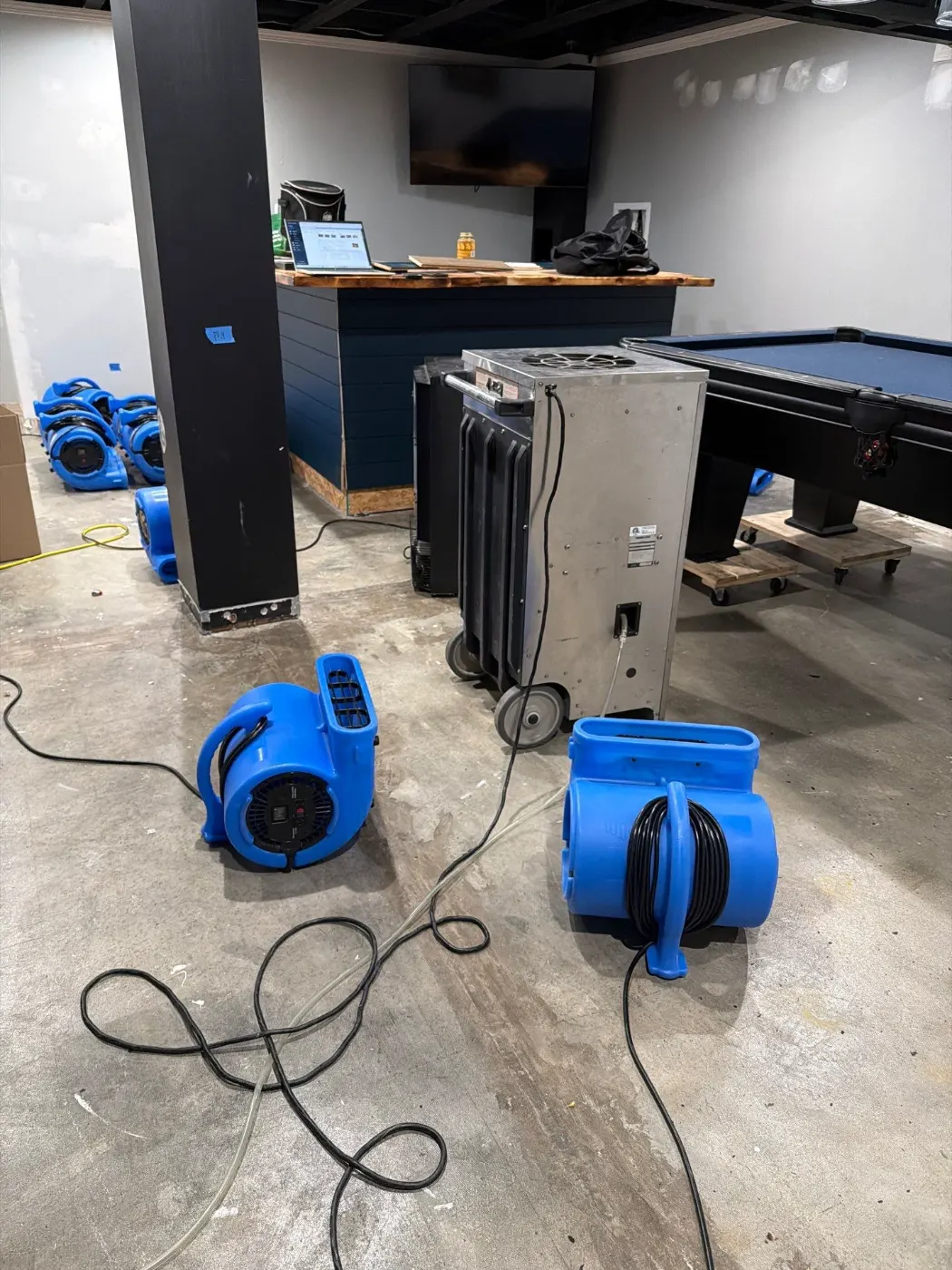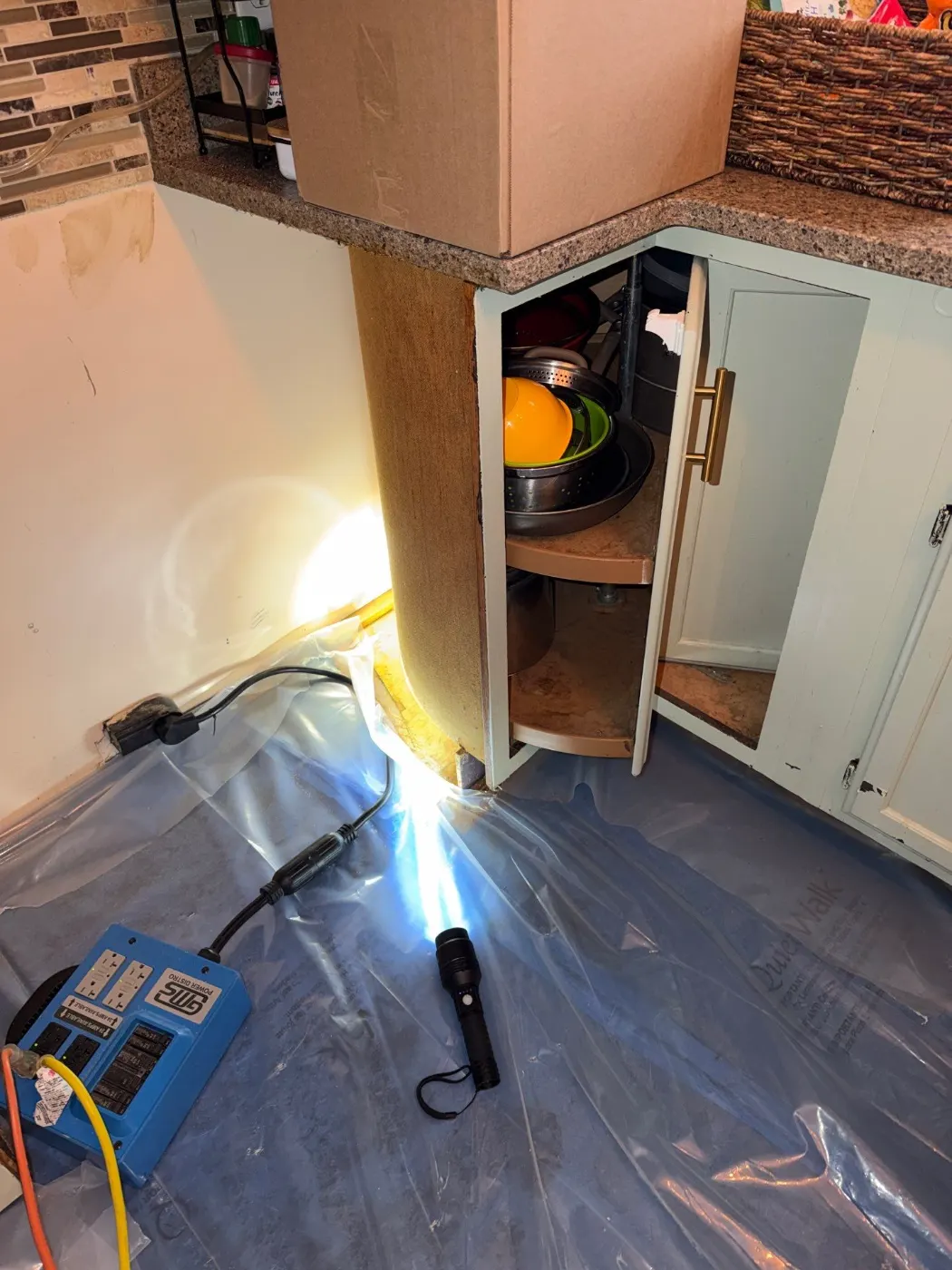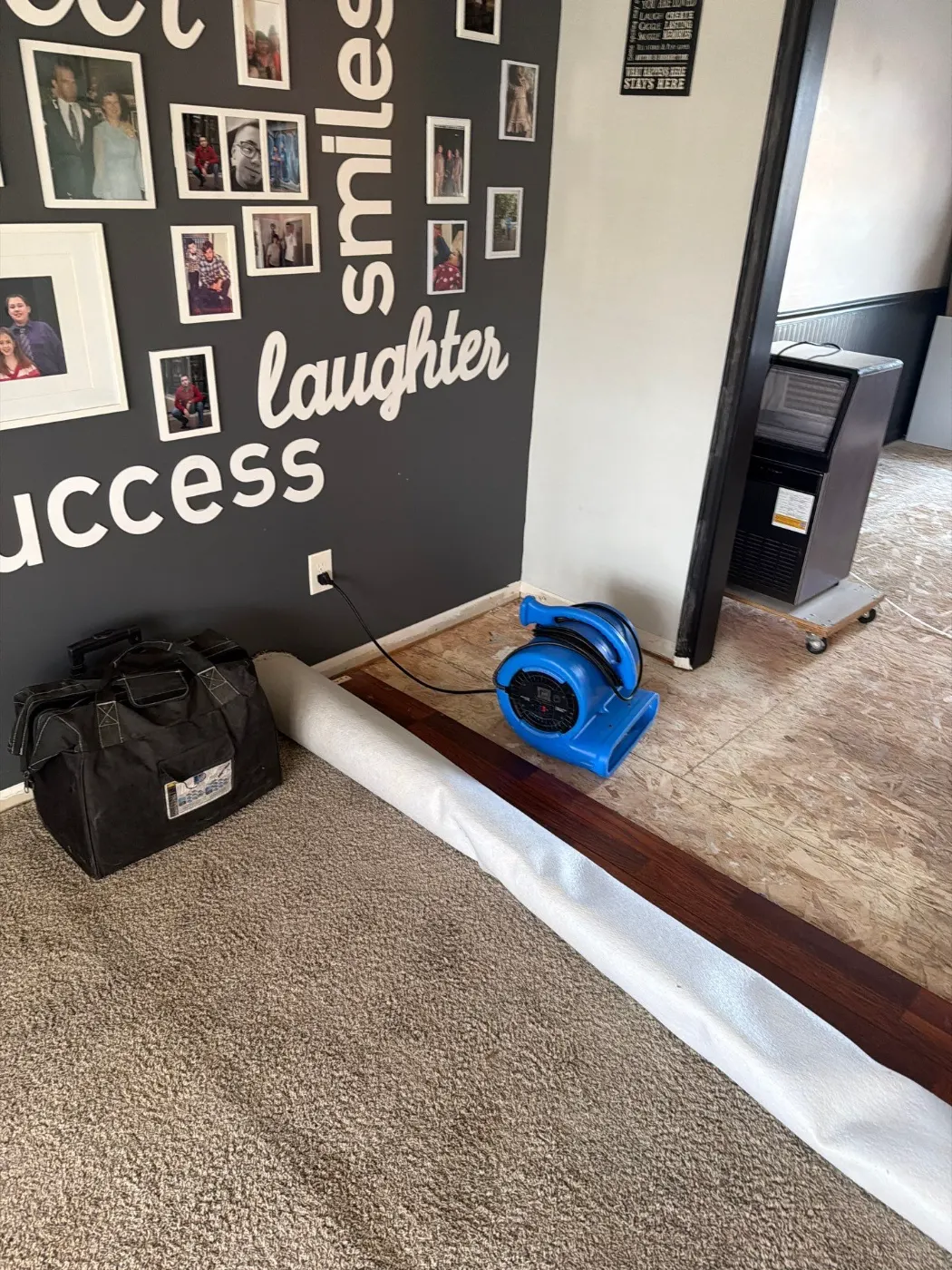
Commercial Mold Remediation

Commercial Mold Remediation in Williams Creek, IN

Trusted Commercial Mold Remediation for Williams Creek Businesses and Property Managers in Marion County

Call (317) 676-4257Get Free Quote
Quick Answer

Williams Creek Water Restoration provides commercial mold remediation in Williams Creek, IN. IICRC certified crews, scheduled assessment, written scope before work begins. We work with your insurance carrier on approved claims. Call (317) 676-4257 to schedule.

  • Service: Commercial Mold Remediation for Williams Creek homeowners
  • Service area: Williams Creek, IN and surrounding areas
  • Response time: Scheduled inspection, typically next business day or sooner
  • Licensed and insured (License #RC21100059)
  • Serving Williams Creek, IN since 2018
Commercial Mold Remediation Services

Expert Commercial Mold Remediation for Williams Creek Homeowners

Commercial mold growth in a Williams Creek property is rarely a surprise. It follows a pattern: a slow roof leak above a drop ceiling in the Forest Boulevard District, a supply line drip inside a wall cavity on the Morningside Drive Corridor, or seasonal humidity that never fully dried after a wet Indiana spring. Left unaddressed, mold colonies expand into framing, insulation, and HVAC ductwork, creating air quality concerns for employees, tenants, and visitors. The structural damage compounds quietly, and what starts as a localized stain becomes a remediation project that closes sections of a building. Our team works with commercial property managers, facility directors, and business owners throughout Williams Creek to assess mold conditions and build a remediation plan before the problem spreads further.

Scheduling a free mold assessment with our team is straightforward. We typically confirm an appointment for the next business day or sooner, depending on what triggered the moisture event and how active conditions appear based on your initial description. Williams Creek commercial properties vary considerably in age and construction, from mid century masonry buildings in the Post War Infill Section to newer office configurations near the College Avenue Edge, and our assessment process accounts for those differences. When our team arrives, we bring moisture meters and HEPA rated air filtration equipment to begin forming an accurate picture of conditions. There is no obligation attached to the assessment, and you will leave the conversation with a clear scope of what needs to happen.

Our inspection follows the IICRC S520 Mold Remediation standard, which governs how mold assessments and remediation work are planned and documented in commercial environments. We conduct moisture mapping across affected surfaces, using thermal imaging to identify hidden moisture pockets behind walls, above ceiling tiles, and beneath flooring assemblies. Moisture meter readings are logged at multiple points to establish where drying has or has not occurred. This documentation matters for two reasons: it tells our crew exactly where containment boundaries need to be established, and it provides your insurance adjuster with the technical record they need to evaluate the claim. In Williams Creek commercial buildings, we routinely find that visible mold represents only a fraction of the affected area once moisture mapping is complete.

Once the assessment and scope are confirmed, our licensed crew establishes containment zones to prevent mold spores from migrating to unaffected areas of the building. Controlled demolition removes materials that cannot be cleaned and dried to an acceptable standard, including drywall, insulation, and compromised flooring substrates. HEPA filtration units run continuously inside containment areas, capturing airborne spores throughout the removal process. Antimicrobial treatments are applied to structural surfaces before any reconstruction begins. Timing varies by scope. A contained single room loss may move through remediation in a few days, while a multi floor or HVAC involved situation in a larger Williams Creek commercial building will require a longer planned schedule. Our team communicates that timeline clearly before work begins.

Mold remediation that follows a documented water event is often a covered loss under commercial property policies. Most major insurance carriers recognize claims tied to sudden and accidental water damage, though coverage for long term seepage or gradual leaks is handled differently depending on your policy language. Our team coordinates directly with your insurance carrier and works with your adjuster throughout the process, providing the moisture mapping data, scope documentation, and photo records they need to evaluate the claim. We do not works with your insurance carrier, but we make the coordination process as clear and organized as possible so that Williams Creek property managers are not left managing paperwork while also managing building operations during the remediation.

If you have noticed discoloration on ceiling tiles, a persistent musty odor in a mechanical room, or received a complaint from a tenant about air quality in a Williams Creek commercial space, the right next step is a scheduled mold assessment rather than a wait and see approach. Mold conditions do not stabilize on their own once moisture has been present for 24 - 48 hours. Our team offers free commercial mold inspections with no obligation, typically scheduled for the next business day or sooner. Call or submit a request online to get a time on the calendar. The assessment is free, the scope will be specific, and our team will be ready to walk you through every step before any work begins.

When to Call

Signs You Need Commercial Mold Remediation

If you notice any of these in your Williams Creek home, schedule a free inspection before the issue worsens.

Visible dark staining on ceiling tiles or drywall in Williams Creek office suites or retail spaces that appeared after recent rainfall.

A persistent musty odor in mechanical rooms, server closets, or storage areas that lingers even after cleaning.

Tenant or employee complaints about respiratory irritation, headaches, or allergy symptoms that worsen when inside the building.

HVAC supply vents showing visible discoloration or biological growth near the diffuser in a commercial Williams Creek property.

Elevated humidity readings above 60 percent consistently measured inside the building during Indiana spring or summer months.

Bubbling, peeling, or staining on interior paint surfaces that corresponds with a prior roof leak or plumbing failure.

Water intrusion history from a Category 2 or Category 3 source such as a sewer backup or storm drain overflow in Marion County.

Warped or buckled flooring in areas adjacent to restrooms, break rooms, or janitor closets where moisture sources are present.

A prior mold remediation on the property that was completed without formal post remediation verification or clearance testing.

Crawl space or basement mechanical areas in older Williams Creek commercial buildings showing white or green biological growth on exposed framing.

Our Process

How Williams Creek Water Restoration Handles Commercial Mold Remediation

Every job follows the same three-step process. Transparent, thorough, and done right the first time.

1

Free Commercial Mold Assessment

Our team schedules a free on site assessment, typically confirmed for the next business day or sooner. We review the history of any water events, inspect visible affected areas, and begin collecting moisture meter readings across walls, floors, and ceilings. Williams Creek commercial property managers receive a clear verbal summary of findings before we leave, with no obligation to proceed.

2

Moisture Mapping and Documentation

Using thermal imaging cameras and calibrated moisture meters, our crew maps the full extent of moisture intrusion throughout the affected commercial space. This step frequently reveals concealed wet areas behind wall cavities and above suspended ceilings that are not visible during a standard walkthrough. All readings are documented in accordance with IICRC S520 Mold Remediation protocols, producing a record that supports your insurance adjuster's review.

3

Containment and Material Removal

Before any demolition begins, our licensed crew installs physical containment barriers to isolate affected areas from the rest of the building. HEPA filtration units run continuously inside the contained zone. Controlled demolition removes all unsalvageable materials including insulation, drywall, and flooring substrates. This step is planned carefully in commercial environments to minimize disruption to unaffected areas of the Williams Creek property.

4

Surface Treatment and Drying

Exposed structural surfaces receive professional grade antimicrobial treatment after affected materials are removed. Commercial dehumidifiers and professional air movers are deployed to reduce residual moisture in the structural assembly to acceptable levels. Our team monitors conditions throughout this phase using moisture meters, adjusting equipment placement as readings improve. Timing at this stage depends on material type, ambient conditions, and the size of the affected area.

5

Verification and Reconstruction Coordination

Before containment barriers come down, our team conducts post drying verification to confirm that moisture readings have returned to normal dry standard levels throughout the affected area. Documentation from this step is provided to your insurance carrier and retained in your project file. When reconstruction is needed, our licensed crew handles that work directly so Williams Creek property managers deal with a single point of contact from assessment through finished rebuild.

Real Project Photos

Commercial Mold Remediation in Williams Creek

Photographs from real commercial mold remediation jobs completed by our crew in Williams Creek and surrounding areas.
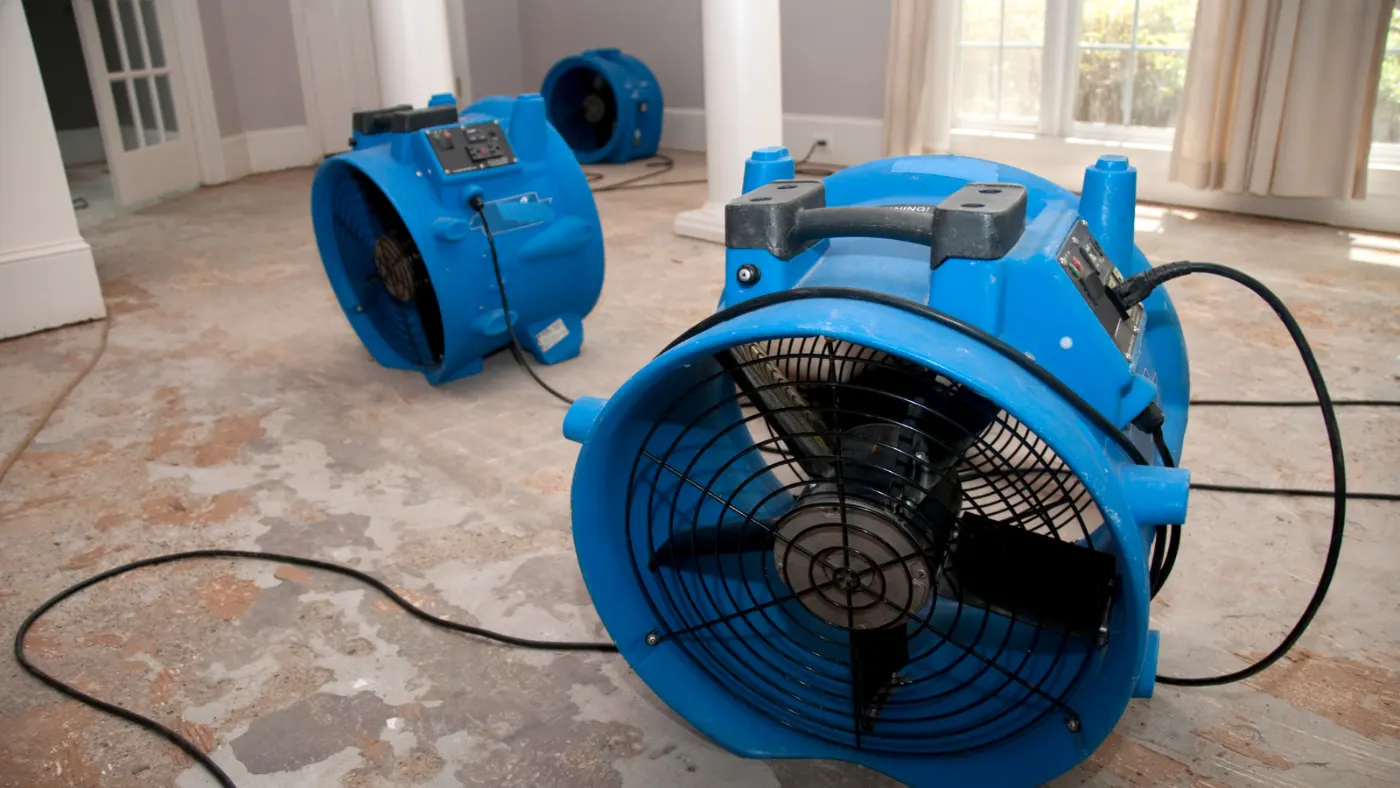
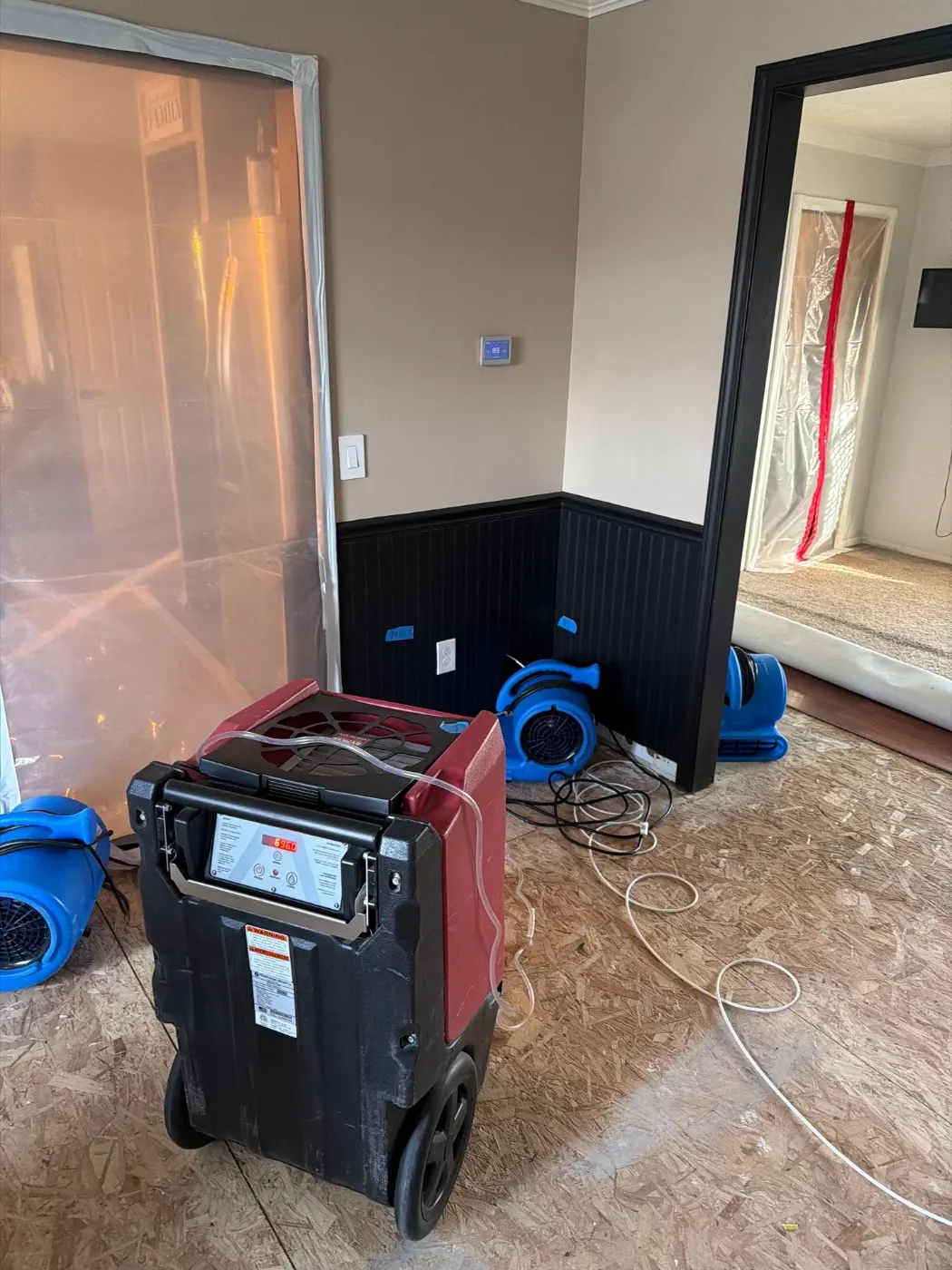
Water restoration project completed in Williams CreekIICRC-certified dry-out in progress at Williams Creek homeResidential restoration project in Williams Creek, Hamilton County IndianaCertified restoration crew at work on Williams Creek residence
Common Questions

Commercial Mold Remediation FAQ

Questions we hear most often from Williams Creek homeowners considering commercial mold remediation.

We schedule free commercial mold assessments and typically confirm an appointment for the next business day or sooner, depending on what you describe when you call or submit a request. This is a planned assessment, not an scheduled dispatch, so we take the time to confirm the right crew members and equipment are ready for your specific type of commercial property. Williams Creek commercial buildings vary significantly in age, construction, and mechanical complexity, and we want the assessment to be thorough rather than rushed. If a recent water event is still active or if visible growth is extensive, let us know when you reach out so we can prioritize accordingly. There is no fee and no obligation attached to the initial assessment.
Commercial mold remediation costs in Williams Creek depend heavily on the category of the original water source, the size of the affected area, and whether reconstruction is needed after materials are removed. For commercial properties, expect costs to run roughly 2 - 5 times the residential baseline given larger square footage and more complex mechanical systems. Category 1 clean water losses in a contained commercial space typically fall in the $3,000 - $10,000 range. Category 2 gray water losses with moderate mold growth generally run $6,000 - $16,000 or more depending on scope. Category 3 black water situations involving sewage or long term saturation in a commercial building can reach $14,000 - $50,000 or beyond for large facilities. Your free assessment will produce a specific written scope before any work begins.
Most major insurance carriers provide coverage for commercial mold remediation when it is directly tied to a sudden and accidental water loss such as a burst pipe, equipment failure, or storm related intrusion. Coverage becomes more complicated when the underlying moisture source was a slow leak or long term seepage that went undetected, as many commercial policies include exclusions for gradual damage. We coordinate with your insurance carrier throughout the remediation process and work directly with your adjuster to provide the documentation they need, including moisture mapping data, scope of work, and post drying verification records. We do not works with your insurance carrier, but our documentation support is designed to make the claims process as organized as possible for Marion County property managers. Your deductible will apply, and policy terms vary, so reviewing your specific commercial policy language early in the process is always worthwhile.
Yes. Our team holds IICRC S520 Mold Remediation certification, which is the industry standard governing how commercial mold assessments, containment plans, and remediation work are conducted and documented. The IICRC S520 standard establishes specific protocols for moisture investigation, material removal decisions, containment procedures, and post remediation verification, and our crew follows those protocols on every Williams Creek commercial job. Certification matters in practice because it means the decisions being made on your property are grounded in a documented methodology rather than informal judgment. It also carries weight with insurance adjusters who are reviewing documentation for a commercial claim in Marion County. Beyond initial certification, our team maintains continuing education requirements to stay current with updates to the standard.
The timeline for commercial mold remediation in Williams Creek varies based on the scope of affected area, the materials involved, and whether the underlying moisture source has been fully corrected before remediation begins. A small contained loss in a single office or storage room may move through assessment, removal, treatment, and drying within several business days. Larger losses involving multiple rooms, concealed wall cavities, or HVAC ductwork contamination take considerably longer and require a phased schedule that minimizes disruption to building operations. When mold has been present for an extended period before discovery, structural materials may require more extensive removal, which adds time. Our team provides a realistic schedule estimate as part of the free assessment so you can plan facility operations around the work.
Our team handles all three IICRC defined categories of water damage in Williams Creek commercial properties. Category 1 refers to clean water from a supply line break or roof leak with no significant contamination, and mold following a Category 1 event is generally the most straightforward to remediate when caught early. Category 2 involves gray water from sources such as appliance discharge, HVAC condensate overflow, or mild storm intrusion, which carries elevated contamination and requires more protective handling. Category 3 covers black water situations including sewage backups, floodwater from exterior sources, and water that has been standing long enough to develop serious biological contamination. The category of the original water source influences the level of protective equipment our crew uses, the scope of material removal, and the antimicrobial treatment protocols applied.
Mold growth can begin within 24 - 48 hours of a moisture event when conditions are favorable, meaning organic building materials are wet and ambient temperatures are in a typical indoor range. This window is why addressing moisture in Williams Creek commercial properties promptly matters even for losses that seem minor at first. Our team does not frame mold remediation as an emergency in the way that active flooding requires immediate response, but we do encourage property managers not to adopt a wait and see posture once visible growth or musty odors appear. Mold colonies expand as long as moisture is present, and HVAC systems can carry spores to unaffected areas of the building if growth is near supply or return air pathways. Scheduling a free assessment early is the most effective way to contain both the biological and financial scope of the problem.
First, document conditions with photos or video before disturbing anything, capturing visible growth, water staining, and any materials that appear damaged. Second, if the underlying water source is still active, have it shut off or repaired before the assessment so our team can evaluate conditions accurately without ongoing intrusion. Third, restrict employee and tenant access to visibly affected areas to limit exposure to airborne spores and to preserve the condition of the space for accurate scope documentation. Fourth, pull together any maintenance records, prior remediation reports, or insurance policy documents you have access to, since your adjuster will likely request that information and having it organized saves time during the coordination process. Our team will handle everything else from there.
Our licensed crew arrives with thermal imaging cameras that identify moisture pockets behind finished surfaces without requiring destructive investigation at every point. Calibrated moisture meters measure the actual moisture content of materials including drywall, wood framing, and concrete substrates, giving us precise data for mapping decisions. HEPA filtration units are deployed inside containment zones to capture airborne mold spores during removal work, protecting both workers and building occupants in adjacent areas. Commercial dehumidifiers and professional air movers are used during the structural drying phase to bring material moisture levels back to acceptable dry standard readings. Every piece of equipment serves a specific function tied to the IICRC S520 Mold Remediation process, and our team will explain what is being used and why at each stage of the project.
Our team handles both remediation and reconstruction on Williams Creek commercial mold projects, which means you work with the same crew from initial assessment through finished rebuild rather than coordinating a second contractor once mitigation is complete. This matters for commercial property managers because it eliminates the scheduling gap that often occurs between mitigation and reconstruction when two separate companies are involved. Our licensed crew performs controlled demolition during remediation and then returns to replace drywall, insulation, flooring, and other materials removed during the process. Reconstruction scope and pricing are documented before work begins so there are no surprises when the remediation phase concludes. One project, one point of contact, one schedule across the full scope of work.
Send a Message

Request Commercial Mold Remediation

Contact Information

Reach Us Directly

Our team is available 24/7 for emergencies and ready to schedule inspections during business hours.

Hours
Available 24/7
Service Area
Williams Creek, IN and Surrounding Areas
License
RC21100059

Need Immediate Help?

For active water, fire, or mold emergencies, call us directly. We are available 24/7.

Call NowGet Quote