Commercial Sewage Cleanup

Commercial Sewage Cleanup in Williams Creek, IN

Williams Creek's Commercial Sewage Cleanup Crew Ready Within 2 Hours When Your Property Cannot Wait

Call (317) 676-4257Get Free Quote
Quick Answer

Williams Creek Water Restoration provides commercial sewage cleanup in Williams Creek, IN. 24/7 emergency response with IICRC-certified crews. Most claims are covered by homeowner's insurance and we work with your insurance carrier on approved claims. Call (317) 676-4257 for immediate dispatch.

  • Service: Commercial Sewage Cleanup for Williams Creek homeowners
  • Service area: Williams Creek, IN and surrounding areas
  • Response time: Within 2 hours response for Williams Creek inquiries
  • Licensed and insured (License #RC21100059)
  • Serving Williams Creek, IN since 2018
Commercial Sewage Cleanup Services

Expert Commercial Sewage Cleanup for Williams Creek Homeowners

A sewage backup inside a Williams Creek commercial property is not a maintenance inconvenience. It is a Category 3 black water emergency that begins destroying flooring, wall cavities, and structural framing from the moment the event starts. Category 3 water carries pathogens, bacteria, and raw sewage solids that cannot be safely managed with shop vacuums or building maintenance staff. Every hour without professional extraction allows contaminated water to wick deeper into concrete, drywall, and insulation. Marion County commercial buildings, especially those along older utility corridors, face combined sewer surges during Indiana's heavy spring and summer rainfall events that can push sewage backward through floor drains with no warning and very little time to react.

When your call comes in, our licensed crew in Williams Creek mobilizes within 2 hours. We do not stage equipment off site and we do not wait for a supervisor to approve dispatch. The team arrives with commercial water extraction equipment capable of handling the volume and contamination level of a genuine sewage loss. We establish a contamination perimeter before any water is moved, because uncontained Category 3 water tracked through a commercial space compounds both the health risk and the total restoration cost. Property managers and facility directors in Williams Creek can expect a crew on the ground, equipment running, and a clear verbal scope delivered before we touch the first drain.

Our inspection begins with thermal imaging and calibrated moisture meters applied to every surface the sewage contacted or potentially contacted. Sewage losses are deceptive. Water visible on the floor represents only a fraction of the moisture that has already migrated into subfloor assemblies, partition wall bases, and mechanical chases. Our team builds a full moisture map of the affected area, documenting conditions before extraction begins. This process follows IICRC S500 Water Damage Restoration standards, which define the inspection, documentation, and classification protocols required for commercial losses. That documentation matters directly to your insurance carrier and to any future tenant or occupancy inspection the Marion County commercial space may require.

Extraction of Category 3 sewage requires full personal protective equipment for our crew and physical containment of the work zone before any portable equipment is introduced. Our team removes standing water and solid sewage debris, then applies antimicrobial treatment to all contaminated surfaces. Controlled demolition of unsalvageable materials, which typically includes base drywall, saturated insulation, and contaminated carpet, happens during the first 24 hours. Once the space is cleared to clean structural material, commercial dehumidifiers and professional air movers begin the structural drying phase. For Category 3 losses in commercial spaces, most property managers see active drying running across a 5 - 7 day window depending on the volume of affected square footage and the density of the building's wall and floor assemblies.

Sewage losses in Williams Creek commercial properties are almost always covered events under commercial property policies when the cause is a sudden backup or municipal sewer surcharge. Our team works with your insurance carrier from the first day, providing the moisture maps, photo documentation, and scope of work your adjuster needs to process the claim efficiently. We coordinate with your adjuster on scope disputes, supplement requests, and material pricing rather than leaving your facility director to navigate that conversation alone. works with your insurance carrier, but we do make sure the documentation your carrier receives reflects the full scope of the loss. Most major insurance carriers covering Marion County commercial properties expect prompt professional mitigation, and our documentation supports that expectation.

If your Williams Creek commercial property is actively backing up or has standing sewage right now, the window to contain this loss is measured in hours rather than days. Call our team immediately for dispatch within 2 hours. We offer free inspections with no obligation, and we will arrive prepared to work, not just to assess. Every minute of delay on a Category 3 loss extends contamination spread, raises remediation cost, and moves mold colonization closer to the 24 to 48 hour threshold. Do not wait for the situation to stabilize on its own. Contact our team now.

When to Call

Signs You Need Commercial Sewage Cleanup

If you notice any of these in your Williams Creek home, schedule a free inspection before the issue worsens.

Floor drains in your Williams Creek commercial kitchen or utility room are gurgling or pushing water upward during heavy rain.

A sewage odor is present in your basement mechanical room, restrooms, or ground floor tenant spaces that staff cannot identify.

Standing water in a Williams Creek commercial restroom has a discolored or murky appearance inconsistent with a simple supply line leak.

Your building's main sewer clean out cap has blown off or shows evidence of recent overflow pressure.

Tenants or employees in the Forest Boulevard District are reporting nausea or headaches near lower level restroom corridors.

Wet staining is appearing at the base of interior partition walls adjacent to plumbing chases on your ground floor.

Your Williams Creek property experienced a municipal sewer main backup event and you have not had the building inspected by a licensed restoration crew.

Visible sewage solids or debris are present on flooring, drain grates, or along the base of floor mounted fixtures.

Morningside Drive Corridor commercial tenants have reported water intrusion through floor drains following the last significant Indiana rainfall event.

A recent plumber visit identified a collapsed or root invaded lateral line, and the building was in use at the time of the failure.

Our Process

How Williams Creek Water Restoration Handles Commercial Sewage Cleanup

Every job follows the same three-step process. Transparent, thorough, and done right the first time.

1

Arrival and Containment Setup

Our licensed crew arrives at your Williams Creek property within 2 hours of your call. Before any equipment enters the loss area, we establish a physical containment boundary to prevent Category 3 contamination from spreading to unaffected portions of the building. This step protects your tenants, your staff, and the unaffected square footage of your commercial space from cross contamination during the work.

2

Inspection and Moisture Mapping

Using thermal imaging cameras and calibrated moisture meters, our team traces every surface the sewage water contacted or potentially migrated into. This produces a complete moisture map of the affected area documented in writing before extraction begins. Following IICRC S500 Water Damage Restoration standards, this phase determines the true scope of the loss and drives all downstream decisions on demolition and drying.

3

Extraction and Controlled Demolition

Commercial water extraction equipment removes standing contaminated water and sewage solids from your Williams Creek property. Our crew then performs controlled demolition of materials that cannot be dried and disinfected to an acceptable standard, including saturated base drywall, contaminated flooring, and soaked insulation. Antimicrobial treatment is applied to all remaining structural surfaces before drying equipment is introduced.

4

Structural Drying Phase

Commercial dehumidifiers and professional air movers are positioned based on structural drying calculations for your specific building assembly. Our team returns daily to take moisture readings and adjust equipment placement as the drying progresses. Most Category 3 commercial losses in Williams Creek reach acceptable dryness standards within a 5 - 7 day active drying window, depending on affected area size and construction type.

5

Post Drying Verification and Documentation

Before any equipment is removed, our team performs post drying verification using moisture meters across all previously affected surfaces. Readings are documented and compared against the original moisture map. This final check confirms structural materials have reached dry standard and provides your insurance carrier and your property records with the closed loop documentation required to finalize the claim and clear the space for reconstruction.

Real Project Photos

Commercial Sewage Cleanup in Williams Creek

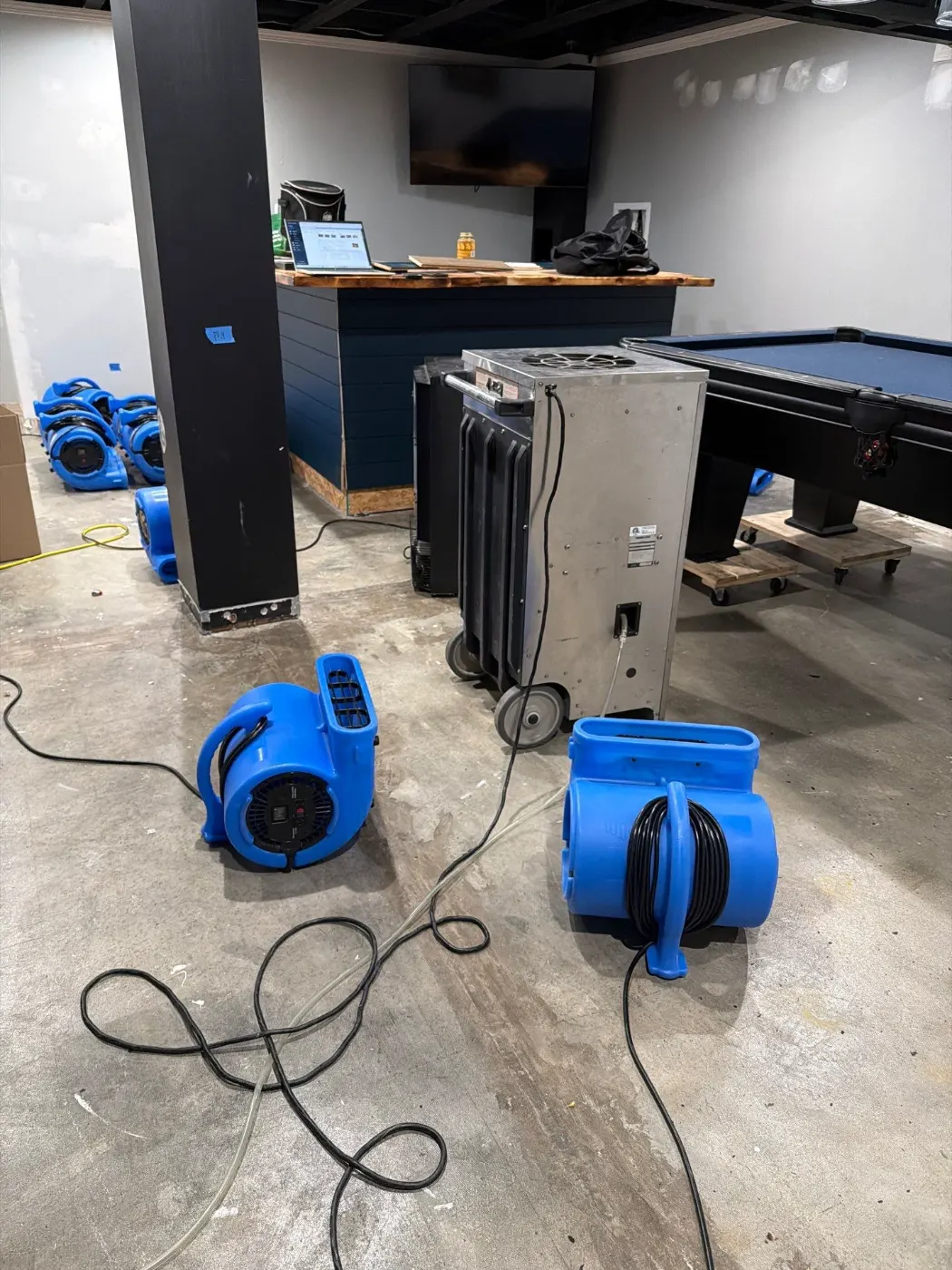
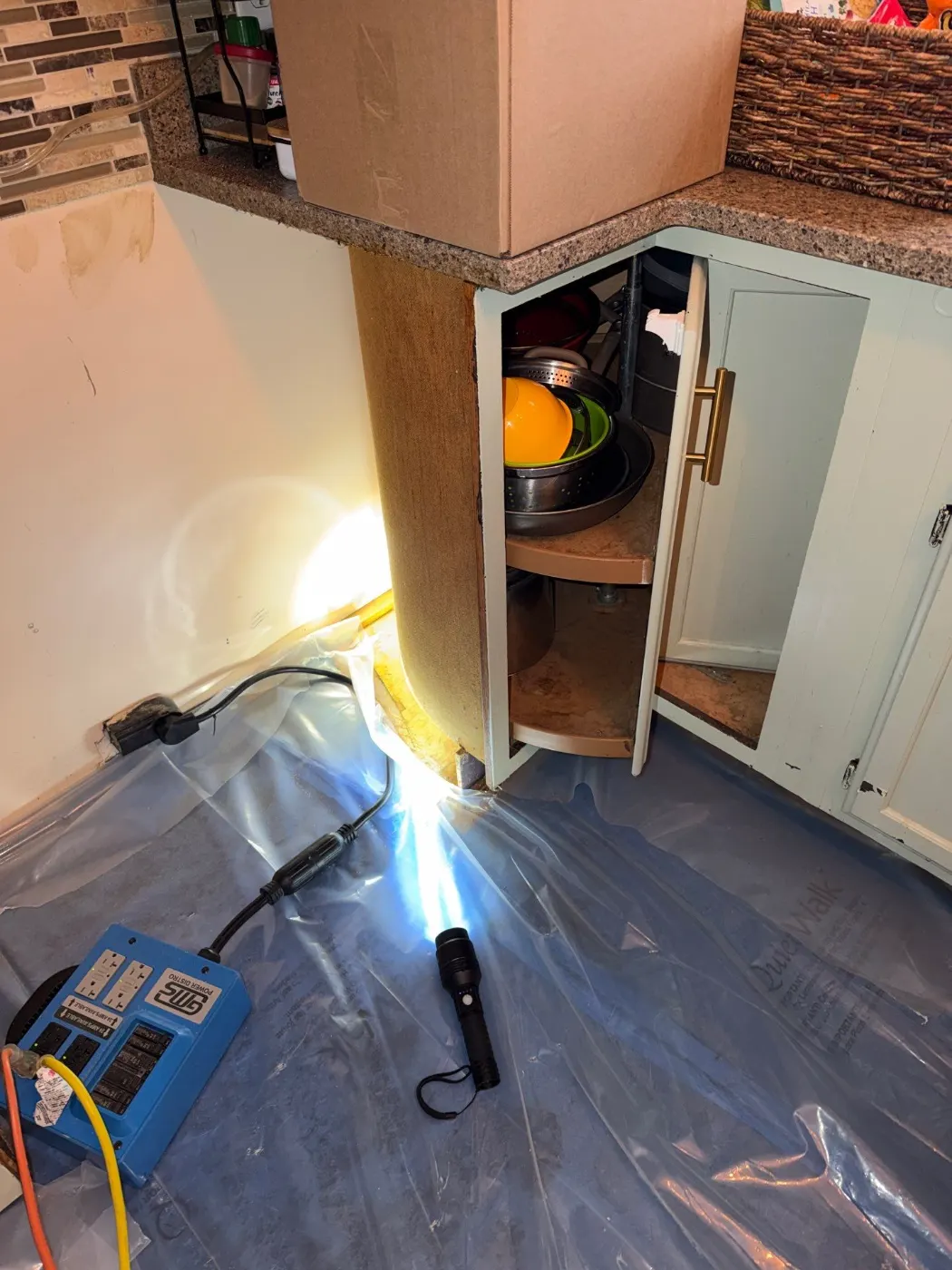
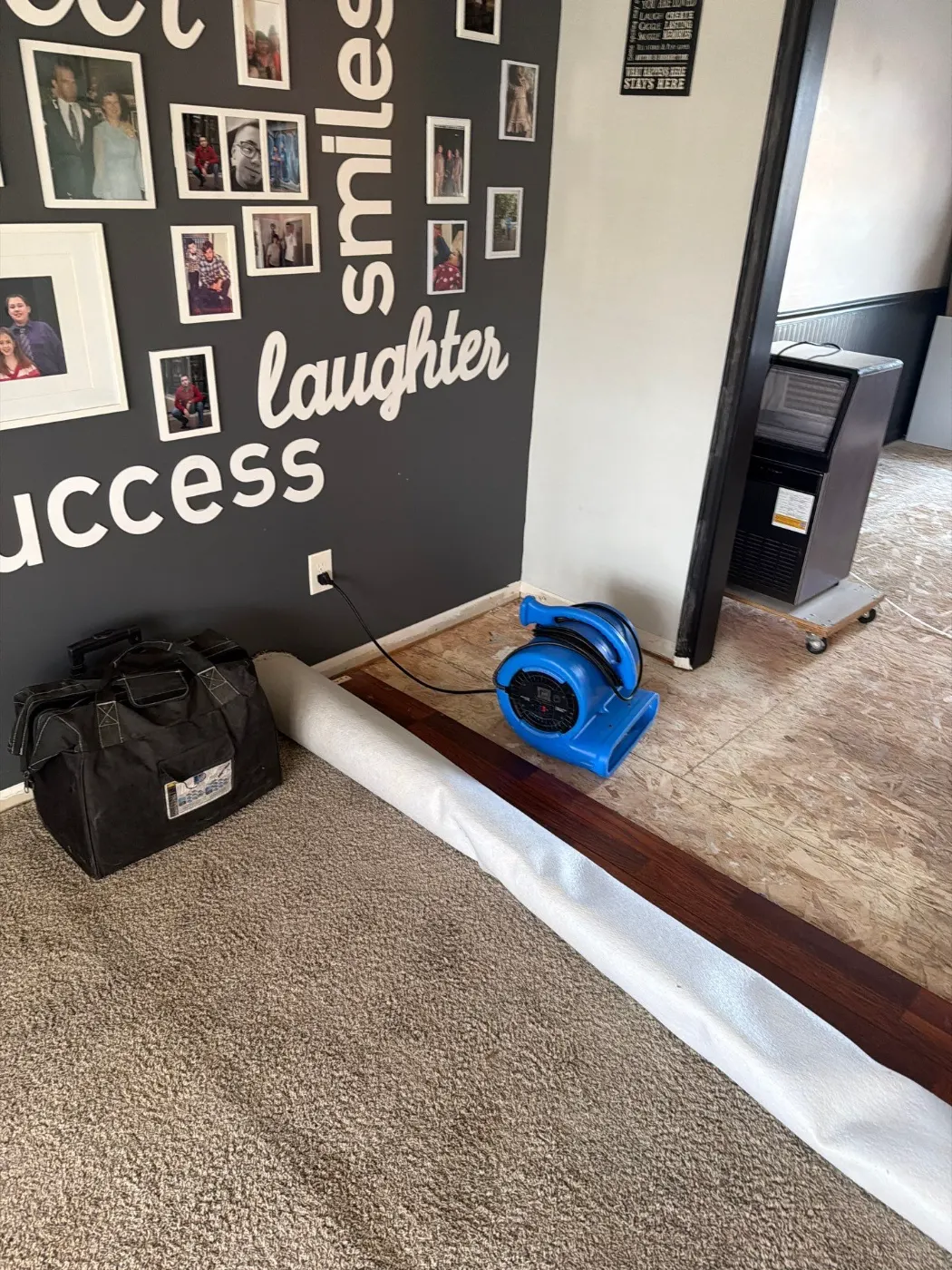
Photographs from real commercial sewage cleanup jobs completed by our crew in Williams Creek and surrounding areas.
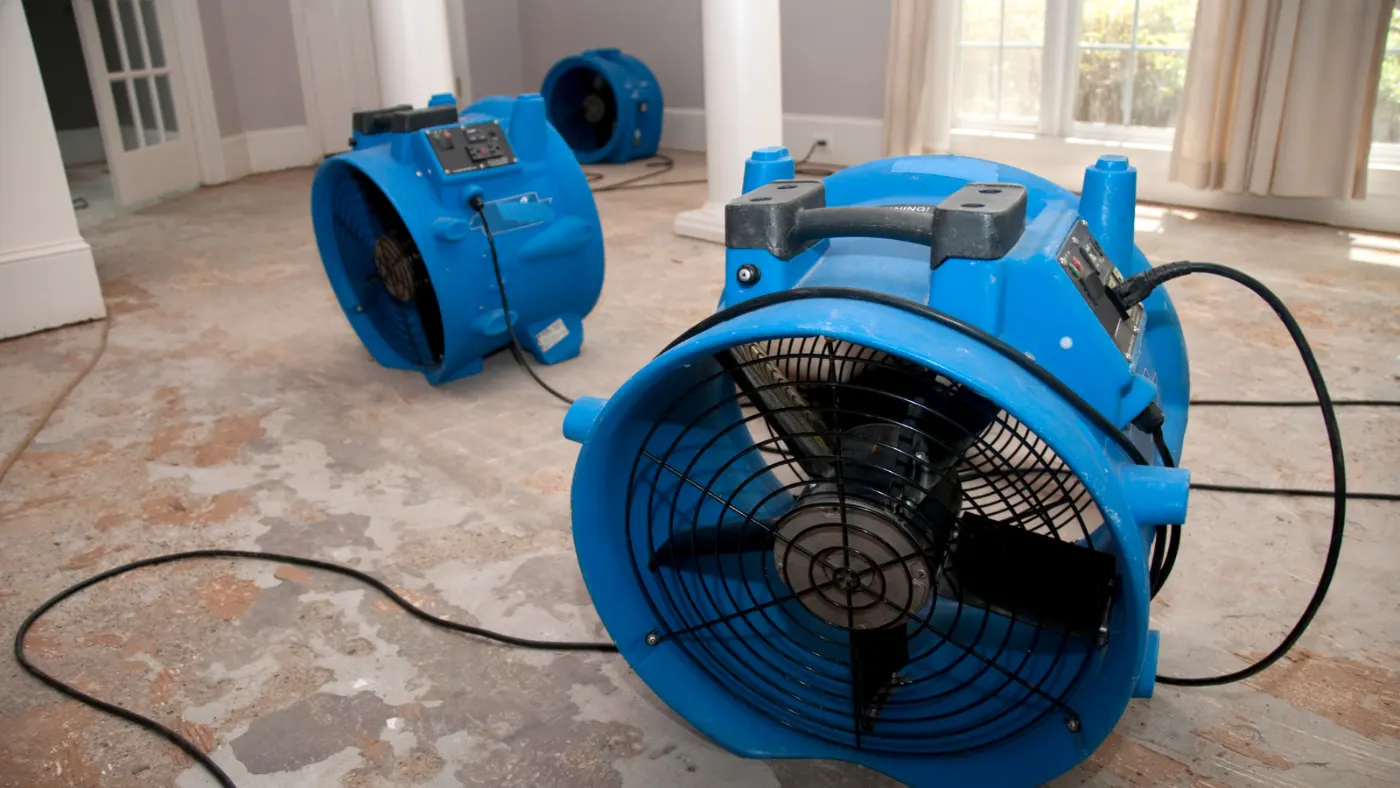
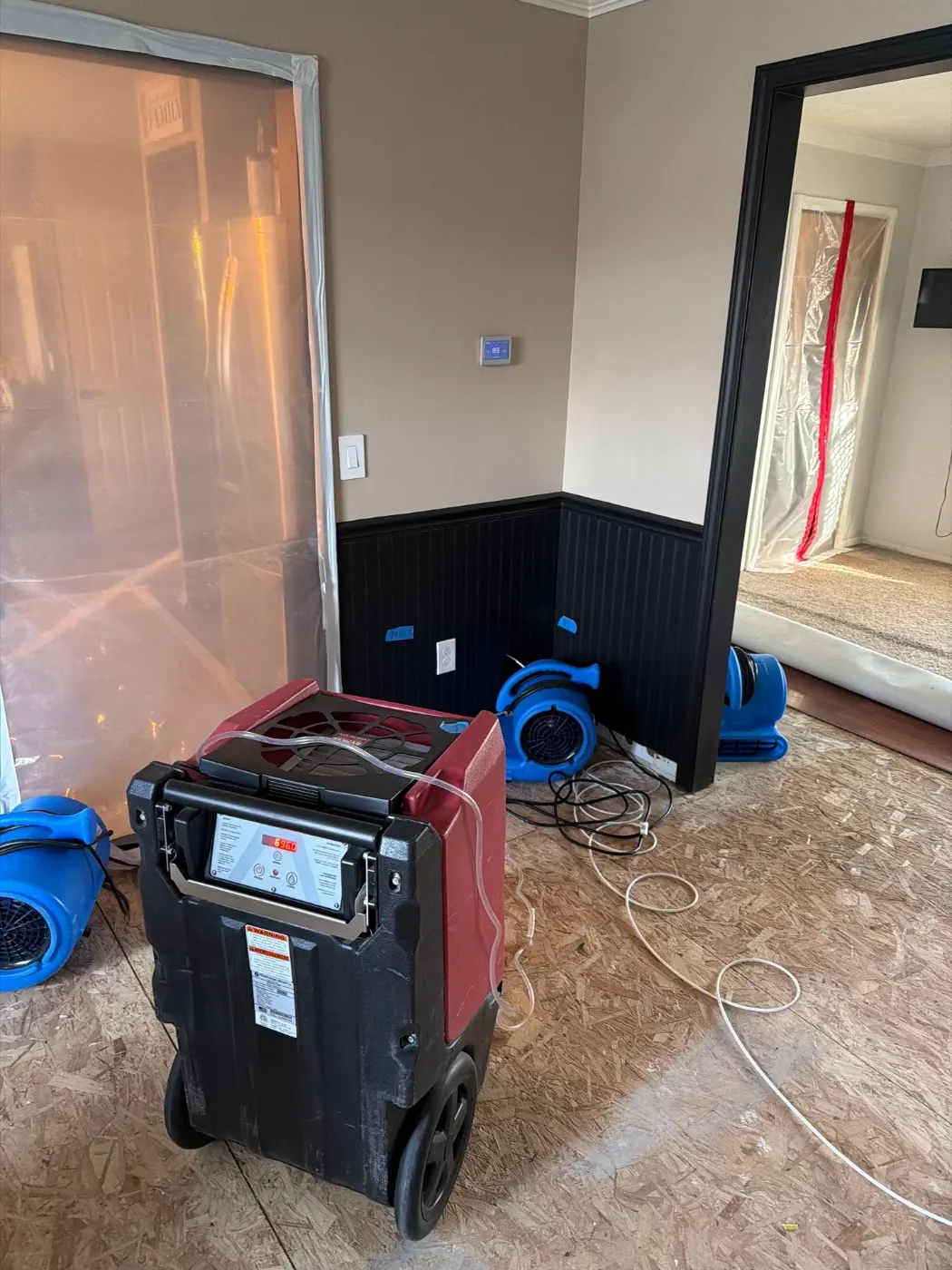
Water restoration project completed in Williams CreekIICRC-certified dry-out in progress at Williams Creek homeResidential restoration project in Williams Creek, Hamilton County IndianaCertified restoration crew at work on Williams Creek residence
Common Questions

Commercial Sewage Cleanup FAQ

Questions we hear most often from Williams Creek homeowners considering commercial sewage cleanup.

Within 2 hours of your call, our licensed crew is dispatched and en route to your Williams Creek commercial property. We maintain local coverage specifically for Marion County commercial losses and do not route calls through a regional call center that delays dispatch. When you reach us, you are reaching the team that will actually arrive at your building. For active sewage backups, we treat every incoming call as an immediate emergency and do not schedule assessment appointments for the following business day. Facility directors and property managers in Williams Creek can expect arrival confirmation and an estimated on site time within minutes of the initial call.
Commercial sewage cleanup costs in Williams Creek depend heavily on the category of water involved and the total affected square footage. Category 1 clean water losses in commercial spaces typically fall in the $3,000 - $10,000 range. Category 2 gray water losses with contamination run $6,000 - $18,000 for most mid size commercial floors. Category 3 black water and sewage events, which are the most common type our team handles in Williams Creek, typically range from $14,000 to well over $50,000 for larger floor plates with significant wall and subfloor penetration. These ranges reflect real commercial scope and are not residential estimates scaled up. Your insurance carrier's adjuster will receive itemized documentation from our team to support accurate claim processing.
Most major insurance carriers covering commercial properties in Williams Creek provide coverage for sudden and accidental sewage backups, particularly when the cause is a municipal sewer surcharge or an unforeseen drain failure. Gradual seepage or maintenance neglect is typically excluded, which is why prompt professional response and accurate documentation of the triggering event matters. Your insurance carrier will assign an adjuster who reviews the scope our team documents on site. We work with your insurance carrier directly, providing moisture maps, category classifications, and scope of work detail to support your claim. Your deductible still applies, and your policy's specific backup and sewer endorsement determines the coverage ceiling for your Marion County commercial property.
Yes, our team operates in accordance with IICRC S500 Water Damage Restoration standards on every commercial loss we handle in Williams Creek. The IICRC S500 Water Damage Restoration standard defines the inspection protocols, water category classifications, and structural drying methodology that separate professional restoration from unqualified cleanup. In practice, this means our crew classifies your loss correctly as Category 1, 2, or 3 before any work begins, and every decision about demolition, drying, and verification flows from that classification. For commercial property managers in Marion County, IICRC compliance also matters for insurance purposes, since most major insurance carriers expect certified restoration methodology to be documented in the claim file.
Timeline depends on the category of the loss and the construction type of your Williams Creek commercial building. Category 1 losses with limited penetration typically dry within 3 - 5 days of active drying. Category 2 losses involving gray water and partial wall cavity saturation commonly run 5 - 7 days. Category 3 sewage events with deep structural penetration, controlled demolition, and significant affected area can require 7 - 10 days or more before post drying verification is complete. Older commercial buildings in areas like the Post War Infill Section with dense wall assemblies or finished concrete subfloors often fall toward the longer end of these ranges. Our team provides daily moisture readings so you have a clear picture of progress throughout.
Our team handles all three IICRC defined water categories in Williams Creek commercial properties. Category 1 is clean water from a supply line break or pressurized fixture, which carries the lowest contamination risk and the shortest typical drying timeline. Category 2 is gray water, which includes discharge from dishwashers, washing machines, or overflow from fixtures that contain cleaning agents and biological material. Category 3 is black water, which includes raw sewage, rising groundwater with contaminants, and any water source that has contacted fecal matter. Sewage backups are always classified as Category 3 regardless of how the water appears visually. Each category requires a different level of personal protective equipment, containment, antimicrobial treatment, and documentation.
Mold colonization begins within 24 to 48 hours on wet organic materials like drywall, wood framing, and ceiling tile when conditions favor growth. In Indiana's humid summer months, Williams Creek commercial buildings that experience sewage events without immediate professional extraction are at high risk of active mold growth before the end of the first business day following the event. Our team prioritizes getting commercial water extraction equipment running as quickly as possible specifically to deny mold the moisture it needs to establish. HEPA filtration is deployed when demolition of potentially contaminated materials creates airborne particulate risk. Stopping mold before it colonizes is dramatically less expensive than remediating an established colony in a commercial building's wall cavities.
First, keep all building occupants and staff away from any area that has visible sewage water or sewage odor, since Category 3 water presents genuine health risk from direct contact or inhalation of airborne particles. Second, document the visible damage with photographs or video before touching or moving anything, since that original condition documentation supports your insurance claim. Third, if it is safe to do so without entering the affected area, turn off the HVAC system serving the loss zone to prevent contaminated air from circulating through the building's duct system. Fourth, contact your insurance carrier to open a claim and obtain a claim number before our team arrives so we can coordinate with your adjuster from the first day on site.
Our licensed crew arrives at Williams Creek commercial properties with commercial water extraction equipment sized for the volume and contamination level of a genuine sewage loss, not residential grade units that cannot handle a commercial floor plate. We carry calibrated moisture meters and thermal imaging cameras for the inspection and moisture mapping phase. Commercial dehumidifiers are deployed during the structural drying phase to pull moisture from the air and from structural assemblies as the building dries from the inside out. Professional air movers are positioned to accelerate surface evaporation in coordination with the dehumidification. When controlled demolition creates airborne particulate risk, HEPA filtration units are added to the work zone to protect both our crew and any adjacent occupied areas of your building.
Our team handles both the mitigation phase and the reconstruction phase for Williams Creek commercial properties, and we keep the same crew involved across both scopes rather than handing your project off to a separate contractor at the mitigation closeout. This matters for commercial property managers because reconstruction scheduling that depends on a third party crew creates gaps, miscommunications, and delays that extend your building's out of service period. We coordinate the demolition, drying, verification, and rebuild as a single project under one schedule. Facility directors in areas like the College Avenue Edge and the Williams Creek Estates corridor have found that single crew continuity reduces total project time and eliminates the documentation gaps that create insurance supplement disputes.
Send a Message

Request Commercial Sewage Cleanup

Contact Information

Reach Us Directly

Our team is available 24/7 for emergencies and ready to schedule inspections during business hours.

Hours
Available 24/7
Service Area
Williams Creek, IN and Surrounding Areas
License
RC21100059

Need Immediate Help?

For active water, fire, or mold emergencies, call us directly. We are available 24/7.

Call NowGet Quote