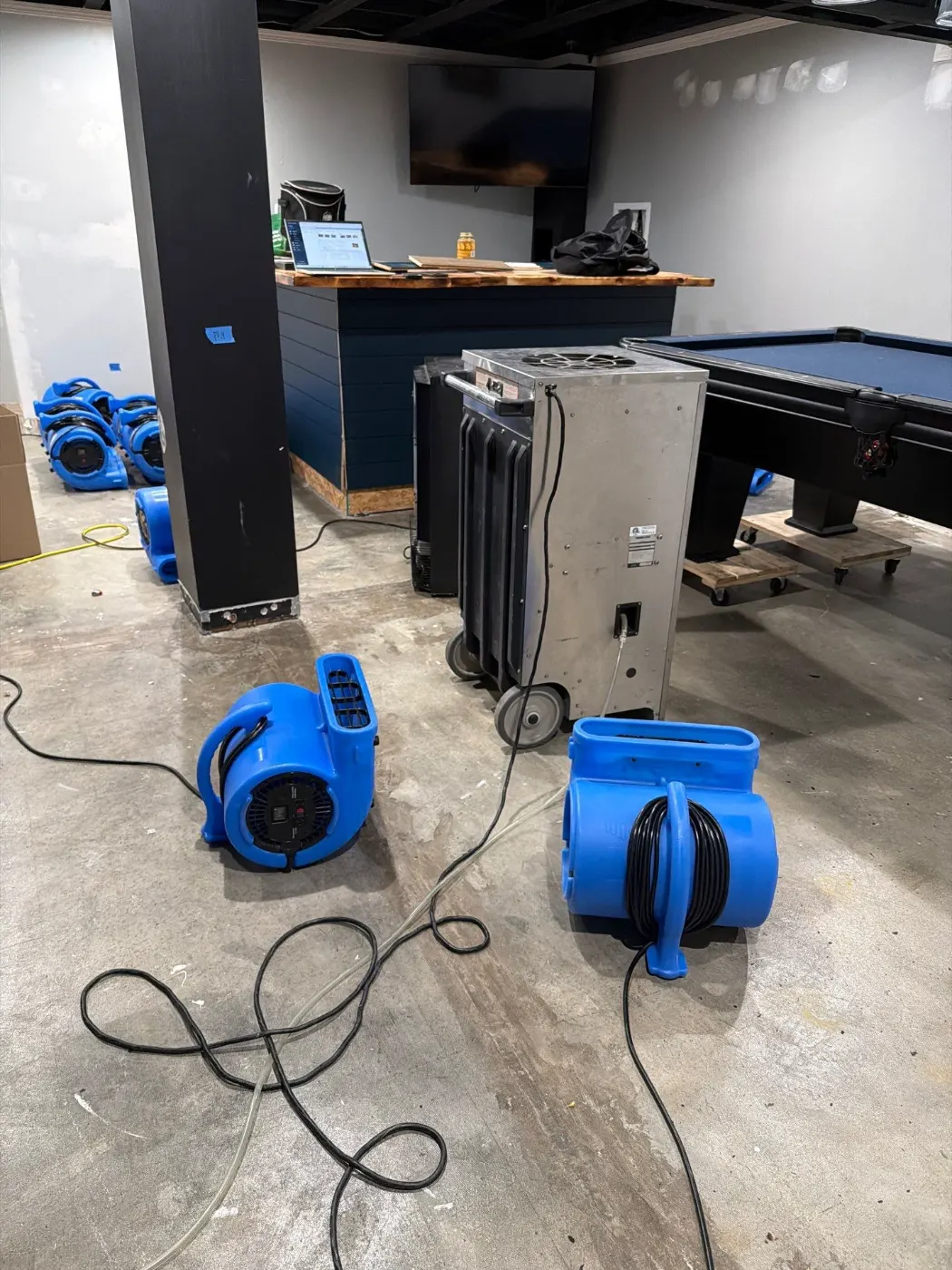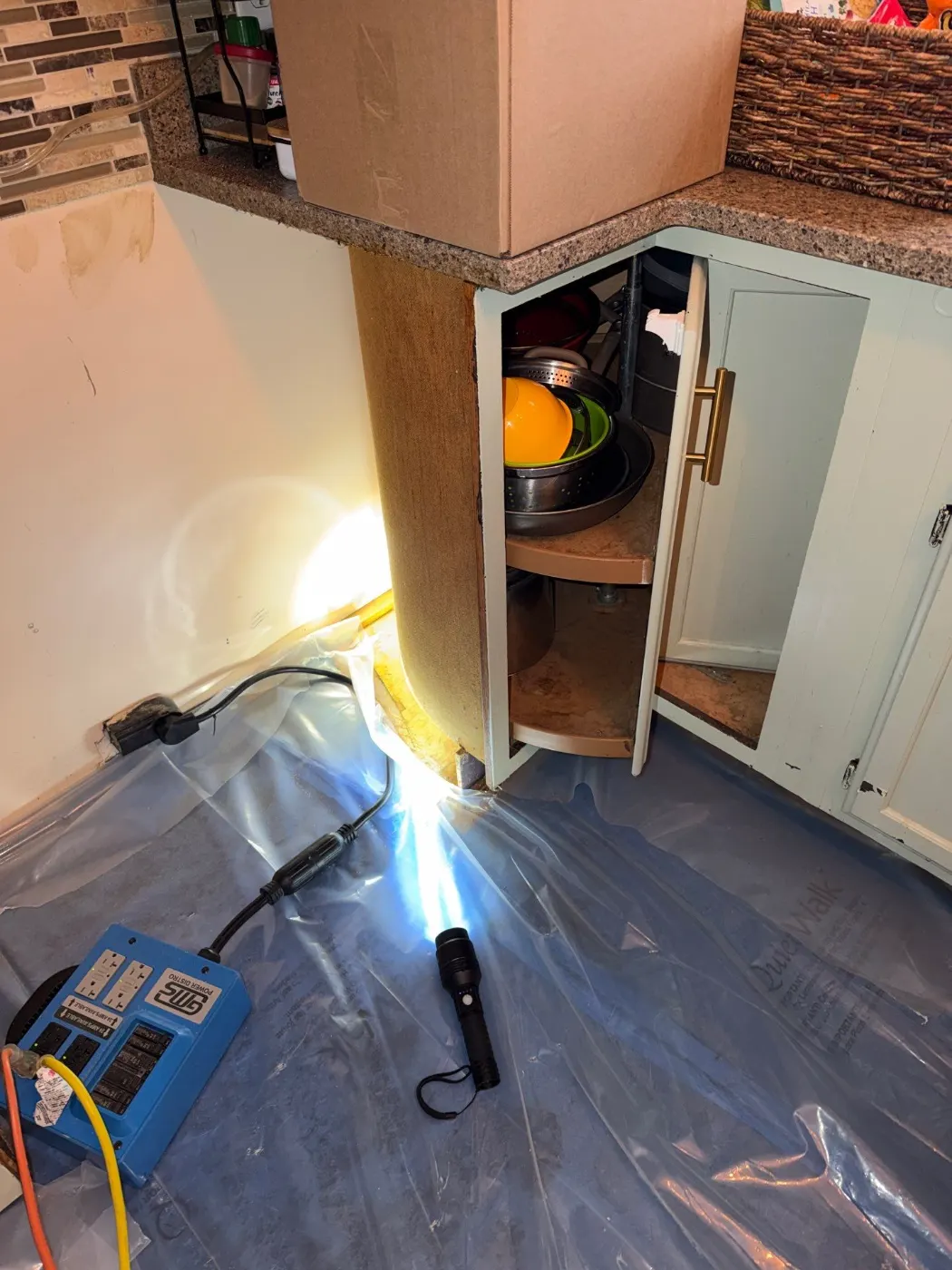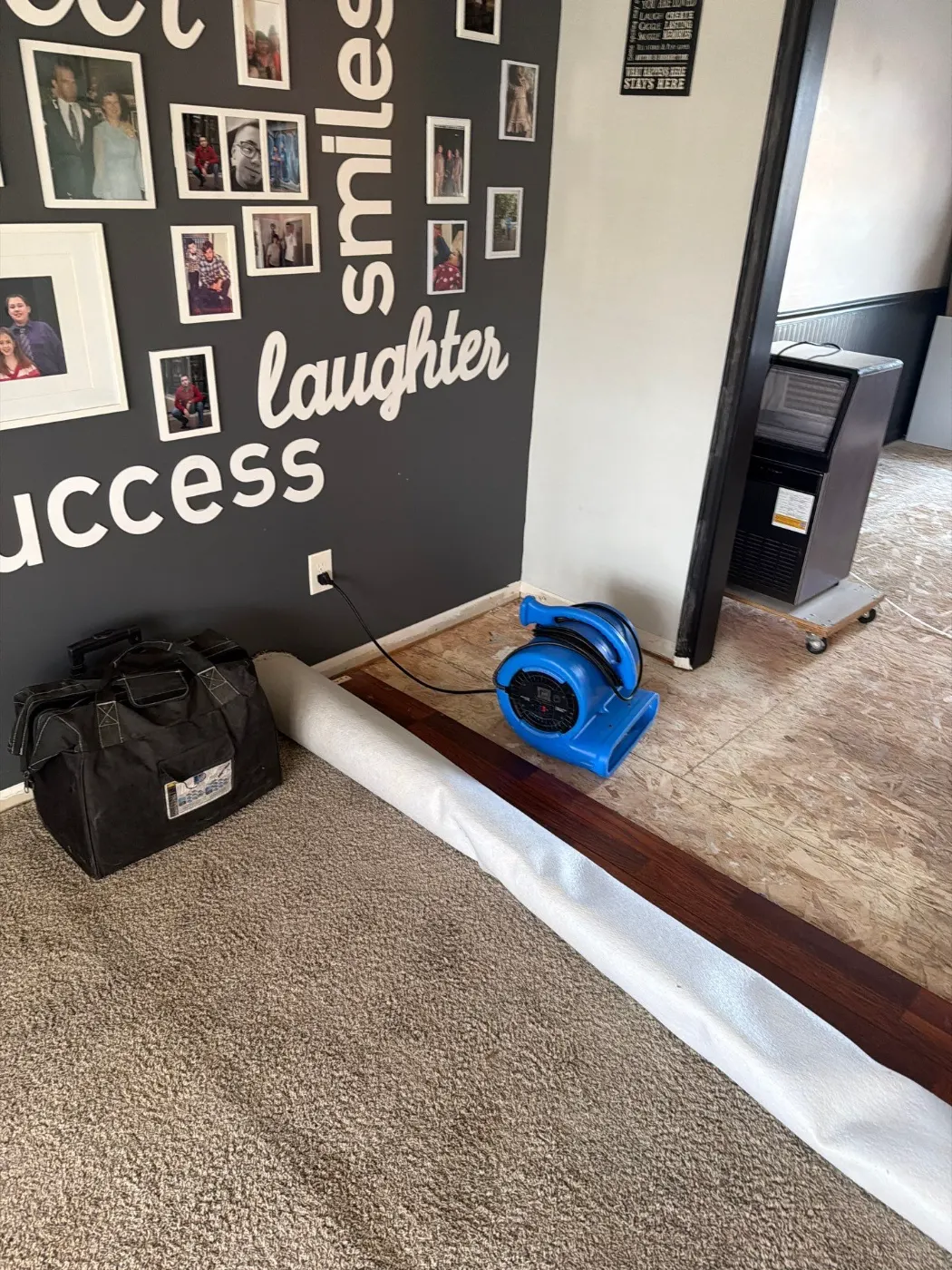
Basement Flooding

Basement Flooding in Williams Creek, IN

Williams Creek basement flooding response within 2 hours, protecting your home before damage spreads further.

Call (317) 676-4257Get Free Quote
Quick Answer

Williams Creek Water Restoration provides basement flooding in Williams Creek, IN. 24/7 emergency response with IICRC-certified crews. Most claims are covered by homeowner's insurance and we work with your insurance carrier on approved claims. Call (317) 676-4257 for immediate dispatch.

  • Service: Basement Flooding for Williams Creek homeowners
  • Service area: Williams Creek, IN and surrounding areas
  • Response time: Within 2 hours response for Williams Creek inquiries
  • Licensed and insured (License #RC21100059)
  • Serving Williams Creek, IN since 2018
Basement Flooding Services

Expert Basement Flooding for Williams Creek Homeowners

A flooded basement in Williams Creek moves fast. Within the first hour, water saturates wall framing, wicks into insulation, and begins soaking the concrete block or poured foundation that most homes here sit on. The standing water you see is only part of the problem. Moisture is already traveling laterally through floor assemblies and upward into finished drywall. Marion County's spring rain events are relentless, and when the White River basin becomes saturated, slab seepage and window well overflow can push dozens of gallons into your lower level before you even realize what is happening. Every hour without extraction expands the damage and pushes your recovery timeline further out.

When you call Our Team, we dispatch a licensed crew to your Williams Creek address within 2 hours, any time of day. Our trucks arrive loaded with commercial water extraction equipment capable of pulling standing water from carpeted and hard surface floors simultaneously, along with commercial dehumidifiers and professional air movers staged for immediate deployment. We do not send an estimator first and schedule work later. The crew that arrives is the crew that starts work. That matters when water is still rising in a Forest Boulevard District home or when a sump pump has failed overnight in a Williams Creek Estates property along the Pennsylvania Street corridor.

Before a single piece of equipment runs, our licensed crew walks your entire lower level with thermal imaging cameras and calibrated moisture meters. This inspection follows the IICRC S500 Water Damage Restoration standard and produces a moisture map of your basement that documents exactly where water has traveled, which materials are saturated, and what hidden pockets of moisture exist behind finished walls or beneath flooring assemblies. Thermal imaging is especially useful in older Morningside Drive Corridor homes where finished basements often have layered construction that conceals moisture pathways. Every reading is recorded and shared with you before drying begins so there are no surprises about scope.

Extraction comes first. Commercial water extraction equipment removes standing water in most residential basements within 1 - 3 hours depending on volume and floor material. Once bulk water is gone, our team sets commercial dehumidifiers and professional air movers in a calculated placement pattern based on the square footage and material composition of your space. For Category 1 losses involving clean water from a supply line or clear groundwater intrusion, most Williams Creek homeowners see drying complete in 3 - 5 days. Category 2 losses involving gray water from appliance overflow or sump backup typically require 5 - 7 days. Moisture meter readings are taken each visit to confirm the structure is trending toward dry standard targets.

Our Team works with your insurance carrier throughout the entire process. We coordinate with your adjuster, provide the moisture mapping documentation, equipment logs, and photo evidence that most major insurance carriers require to process a basement flooding claim. We never tell you what your policy covers because that is your adjuster's role, but we make sure the documentation we provide supports your claim accurately and completely. Marion County homeowners are often surprised to learn that sudden water intrusion events are typically covered while gradual seepage over time may not be. We help you understand the difference and give your adjuster everything needed to make that determination quickly.

If your basement is flooded right now, do not wait to see if the water recedes on its own. Mold colonizes within 24 to 48 hours in the warm, humid conditions a flooded Williams Creek basement creates, and insurance carriers expect prompt mitigation. Call Our Team now for dispatch within 2 hours. We offer free inspections with no obligation, and we will walk your space, show you exactly what the moisture meters and thermal imaging reveal, and give you a clear scope before work begins. There is no pressure and no guesswork. Just a licensed crew ready to protect your home today.

When to Call

Signs You Need Basement Flooding

If you notice any of these in your Williams Creek home, schedule a free inspection before the issue worsens.

Standing water visible on your basement floor after a Marion County spring rain event.

Your sump pump ran continuously but still could not keep up with incoming water in Williams Creek.

White mineral deposits or efflorescence streaking down foundation walls in your Williams Creek home.

A persistent musty odor in your basement that worsens after rain, suggesting hidden moisture accumulation.

Bubbling or peeling paint on basement drywall along the Forest Boulevard District perimeter walls.

Carpet that feels spongy or squishes underfoot even when no obvious pooling is present.

Your window wells are filling with water and leaking past the frame seal during heavy storms.

Morningside Drive Corridor homeowners noticing wall cracks at the base of poured concrete foundations after seasonal freeze thaw cycles.

A failed or burned out sump pump motor discovered during a Williams Creek basement inspection.

Discoloration or soft spots in wood subflooring near the base of basement stairs or exterior walls.

Our Process

How Williams Creek Water Restoration Handles Basement Flooding

Every job follows the same three-step process. Transparent, thorough, and done right the first time.

1

Emergency Dispatch and Arrival

Within 2 hours of your call, a licensed crew is loaded and en route to your Williams Creek address. We confirm access needs, ask about the water source, and arrive with commercial water extraction equipment, dehumidifiers, and air movers already on the truck. You do not wait for a second trip to begin actual work.

2

Moisture Mapping and Inspection

Using thermal imaging cameras and calibrated moisture meters, our team maps every affected surface in your basement. This inspection follows IICRC S500 Water Damage Restoration protocols and documents hidden moisture behind walls and under flooring. Williams Creek homeowners receive a clear picture of scope before any equipment is placed.

3

Water Extraction and Containment

Commercial water extraction equipment removes standing water from your basement floor, carpet, and subfloor assemblies. For Category 2 or Category 3 losses involving gray water or sewage backup, containment protocols are established to protect unaffected living areas above. Most bulk extraction in a standard Williams Creek basement is complete within 1 - 3 hours.

4

Structural Drying Phase

Commercial dehumidifiers and professional air movers are positioned based on structural drying calculations specific to your basement layout and material types. Our crew returns each day to record moisture meter readings and adjust equipment placement as drying progresses. Category 1 losses typically dry in 3 - 5 days. More severe losses may require 5 - 7 days or longer.

5

Post Drying Verification and Rebuild

When moisture readings across all affected materials reach dry standard targets, our team performs a final post drying verification using moisture meters and thermal imaging. We document the completed condition for your insurance carrier. If controlled demolition of saturated drywall or flooring was required, our licensed crew can carry reconstruction through to finished condition.

Real Project Photos

Basement Flooding in Williams Creek

Photographs from real basement flooding jobs completed by our crew in Williams Creek and surrounding areas.
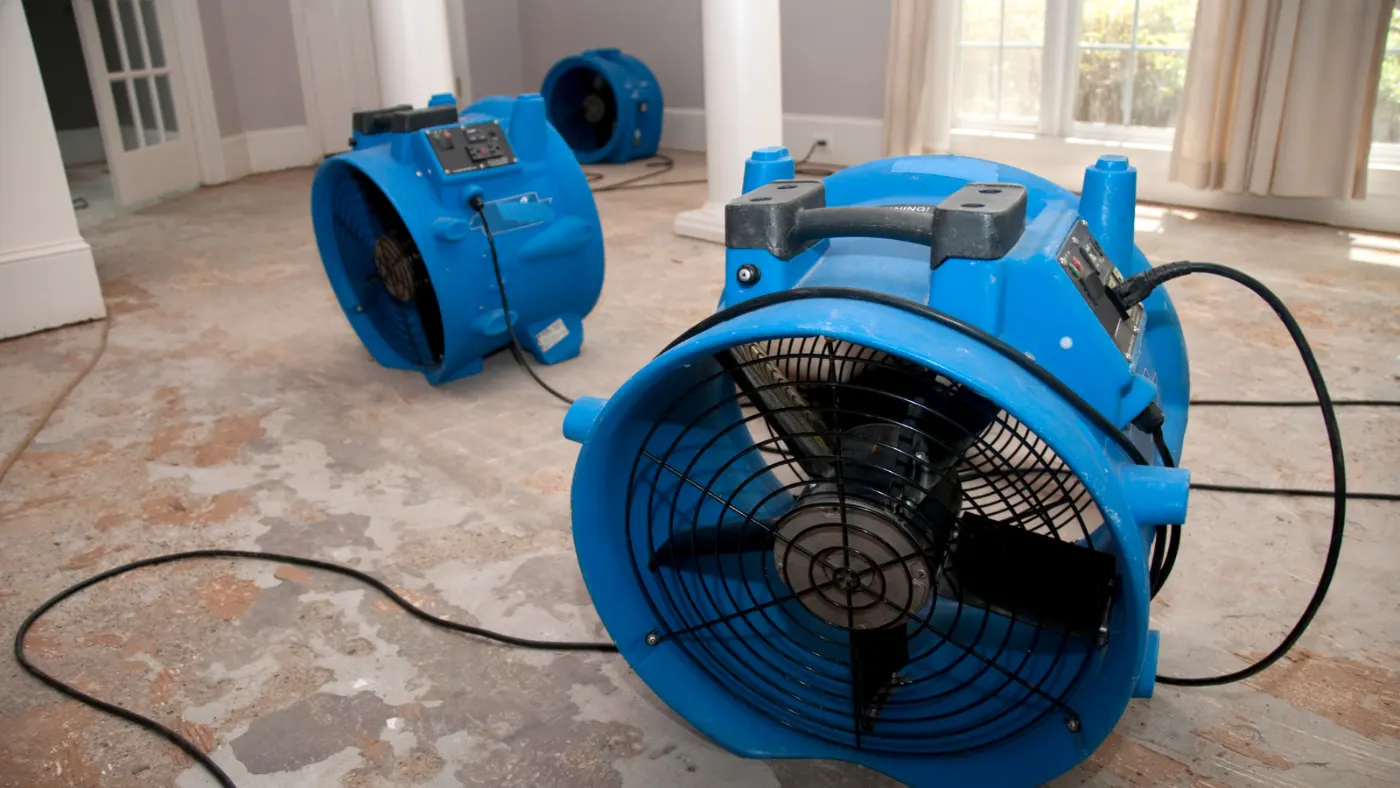
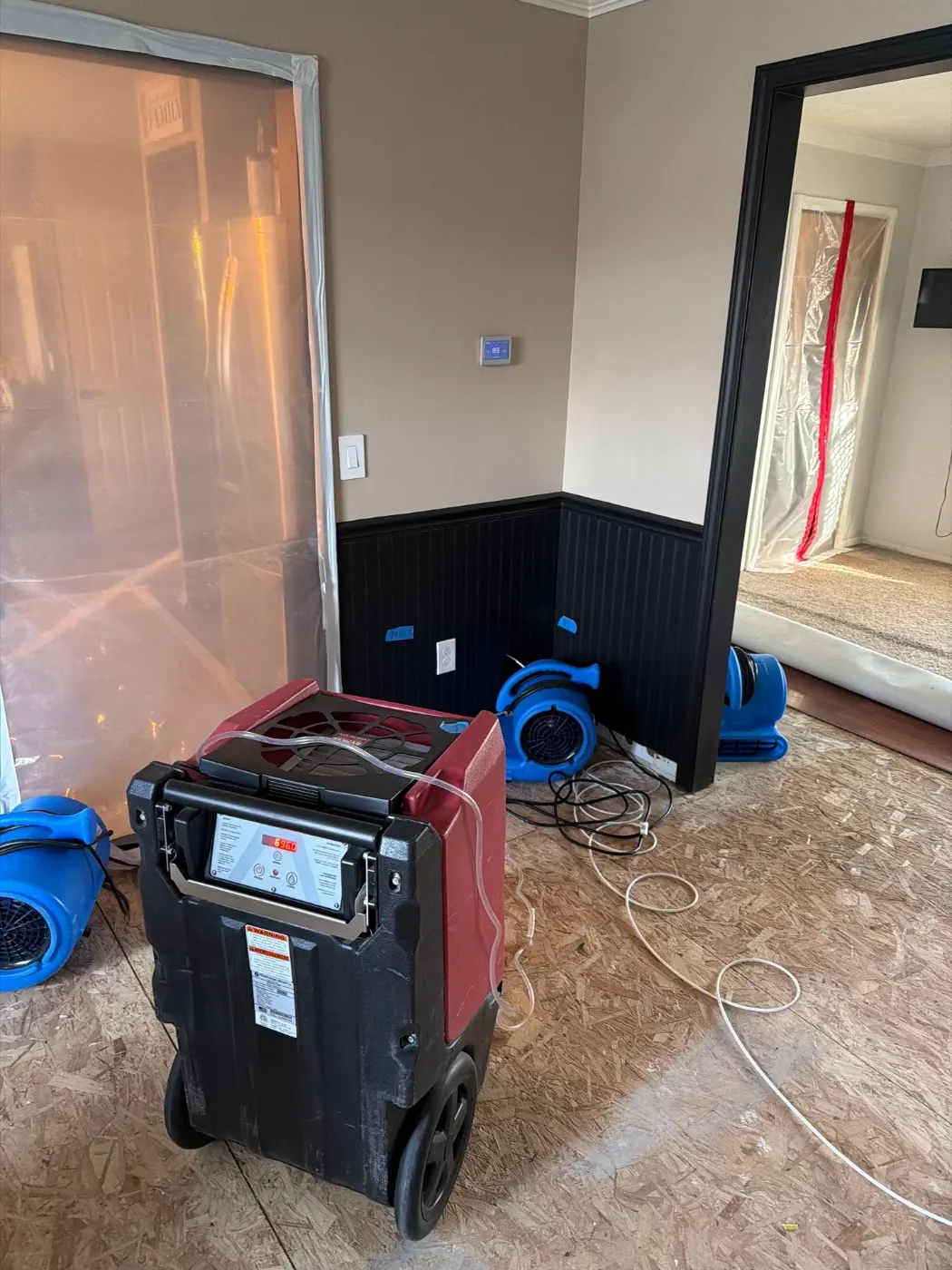
Basement water extraction in Williams Creek Indiana home
Common Questions

Basement Flooding FAQ

Questions we hear most often from Williams Creek homeowners considering basement flooding.

Within 2 hours of your call, a licensed crew is dispatched to your Williams Creek home. We maintain coverage across Marion County around the clock, including weekends and holidays. When you call, you reach a real person who takes your address, confirms the situation, and initiates dispatch immediately. We do not route calls through a national call center that then schedules a local vendor. Our team serves Williams Creek directly, which means no relay delays. Whether your basement is flooding on a Tuesday afternoon or a Sunday night, the 2 hour dispatch commitment holds.
Basement flooding costs in Williams Creek follow the category of water involved. Category 1 losses from clean water such as a supply line break or clear groundwater intrusion typically range from $1,500 - $4,500 for a standard residential basement. Category 2 losses involving gray water from appliance overflow, sump backup, or washing machine discharge generally fall between $3,000 - $8,000 depending on finished area and material saturation. Category 3 losses involving sewage or heavily contaminated water can range from $7,000 - $25,000 or more when full contents removal, controlled demolition, and antimicrobial treatment are required. Your insurance carrier may cover a significant portion of these costs for sudden intrusion events.
Most major insurance carriers cover sudden and accidental water intrusion events in Williams Creek basements, which includes scenarios like sump pump failure if you carry the appropriate rider, burst pipes, and appliance overflows. Gradual seepage through foundation walls over time is typically excluded under standard homeowner policies. Your insurance carrier will send an adjuster to review the loss, and the moisture mapping documentation and photo evidence our team provides is specifically structured to support that review. We coordinate with your adjuster throughout the process and make sure they have everything needed to evaluate your claim accurately. Your deductible will apply, and coverage limits vary by policy, so reviewing your declarations page early in the process is worthwhile.
Yes, our licensed crew holds certification under the IICRC S500 Water Damage Restoration standard, which is the industry benchmark for professional water damage work in residential settings. The IICRC S500 Water Damage Restoration standard defines proper extraction sequences, drying goal calculations, material specific protocols, and documentation requirements. In practice this means our team does not guess at drying timelines or equipment placement. Every decision is grounded in a methodology that insurance carriers recognize and adjusters accept. For Williams Creek homeowners navigating a claim, working with a crew trained to this standard also means your documentation holds up when your adjuster reviews the scope.
Drying timelines in Williams Creek basements depend primarily on the category of water, the size of the affected area, and the materials involved. Category 1 losses in an unfinished basement typically dry in 3 - 5 days. Finished basements with drywall, carpet, and wood framing may require 5 - 7 days even for clean water losses because those materials hold moisture longer. Category 2 and Category 3 losses that require controlled demolition of saturated wall assemblies before drying can extend the mitigation phase to 7 - 10 days. Our crew visits daily to record moisture readings and adjust equipment. We do not remove equipment until post drying verification confirms all materials have reached accepted dry standard thresholds.
Our Team handles all three IICRC water categories in Williams Creek basements. Category 1 is clean water from a sanitary source such as a supply line, a water heater, or rain intrusion through a window well. Category 2 is gray water carrying biological or chemical contamination, including sump pump backup, washing machine discharge, and aquarium overflow. Category 3 is black water, the most hazardous classification, which includes sewage backup, flooding from the White River basin during major rain events, and any water that has been standing long enough to support microbial growth. Each category requires a different extraction and treatment protocol, and our licensed crew adjusts their approach and personal protective procedures accordingly.
Mold colonizes within 24 to 48 hours in the warm, humid conditions that a flooded Williams Creek basement produces, particularly during the spring and summer months when ambient temperatures accelerate spore germination. The risk is highest in areas that are not immediately visible, such as behind finished drywall, inside wall cavities, and beneath carpet padding. Our team's approach focuses on getting commercial dehumidifiers and professional air movers running as quickly as possible to drop humidity levels and interrupt the conditions mold needs to establish. When controlled demolition of saturated wall assemblies is required, it is done early in the process rather than after drying to eliminate concealed moisture reservoirs before mold growth begins.
First, if the water source is still active and you can safely reach the shutoff, turn it off. For slab seepage or groundwater intrusion that cannot be stopped, leave it alone and let our team assess on arrival. Second, cut power to the basement at your breaker panel if there is any standing water present, as electrical hazards in a flooded space are serious. Third, do not use a household shop vacuum to try to extract water from large areas, as this delays professional extraction and can spread contamination in Category 2 or 3 situations. Finally, take photos or video of the standing water and any visible damage before anything is moved, since that documentation supports your insurance claim.
Our licensed crew arrives with commercial water extraction equipment for bulk removal of standing water from all floor surfaces, including carpet, tile, and concrete. We bring commercial dehumidifiers sized for residential basements, which pull significantly more moisture per hour from the air than consumer grade units. Professional air movers accelerate surface drying by directing high velocity airflow across wet materials. Thermal imaging cameras allow us to see moisture behind finished walls without destructive exploration, and calibrated moisture meters let us track drying progress in framing, drywall, and subfloor materials from day one through final verification. Together these tools let our team work to IICRC S500 Water Damage Restoration standards rather than guessing at progress.
Our Team handles both mitigation and reconstruction so Williams Creek homeowners work with one crew from the moment of extraction through the completion of finished repairs. Mitigation covers water removal, structural drying, controlled demolition of unsalvageable materials, and post drying verification. Reconstruction covers replacement drywall, flooring, insulation, trim, and any structural framing that required removal during the drying process. Keeping both phases with the same team eliminates the scheduling gap that often happens when a homeowner has to find a separate contractor after a mitigation only company finishes and leaves. One project, one schedule, and one point of contact for your insurance adjuster throughout the entire process.
Send a Message

Request Basement Flooding

Contact Information

Reach Us Directly

Our team is available 24/7 for emergencies and ready to schedule inspections during business hours.

Hours
Available 24/7
Service Area
Williams Creek, IN and Surrounding Areas
License
RC21100059

Need Immediate Help?

For active water, fire, or mold emergencies, call us directly. We are available 24/7.

Call NowGet Quote