Sewage Cleanup

Sewage Cleanup in Williams Creek, IN

Williams Creek's Trusted Sewage Cleanup Team Responding Within 2 Hours When It Matters Most

Call (317) 676-4257Get Free Quote
Quick Answer

Williams Creek Water Restoration provides sewage cleanup in Williams Creek, IN. 24/7 emergency response with IICRC-certified crews. Most claims are covered by homeowner's insurance and we work with your insurance carrier on approved claims. Call (317) 676-4257 for immediate dispatch.

  • Service: Sewage Cleanup for Williams Creek homeowners
  • Service area: Williams Creek, IN and surrounding areas
  • Response time: Within 2 hours response for Williams Creek inquiries
  • Licensed and insured (License #RC21100059)
  • Serving Williams Creek, IN since 2018
Sewage Cleanup Services

Expert Sewage Cleanup for Williams Creek Homeowners

When a sewage backup floods your basement or utility room in Williams Creek, the clock starts moving against you the moment the water rises. Sewage is classified as Category 3 water under IICRC S500 (Water Damage Restoration) standards, meaning it carries bacteria, pathogens, and organic waste that make every surface it contacts a health hazard. In Marion County homes, where older lateral lines and combined sewer systems can overwhelm drains during heavy spring or late summer rain events, these emergencies rarely announce themselves in advance. Within the first two hours, contaminated water saturates subflooring, wicks into wall cavities, and begins breaking down drywall compound. Every hour without extraction expands the damage and raises the cost of recovery significantly.

Our Team serves Williams Creek homeowners with a dispatch guarantee of within 2 hours of your call. When you reach us, a licensed crew mobilizes immediately with commercial water extraction equipment loaded and ready. We understand the layout of neighborhoods like the Forest Boulevard District and the Morningside Drive Corridor, where finished lower levels and aging interior plumbing create the conditions most likely to send sewage backward into living spaces. Upon arrival, the crew assesses the source, confirms the water category, and begins extraction before the conversation about scope is even finished. Speed is not a marketing phrase here. It is the difference between salvageable hardwood and a full subfloor replacement.

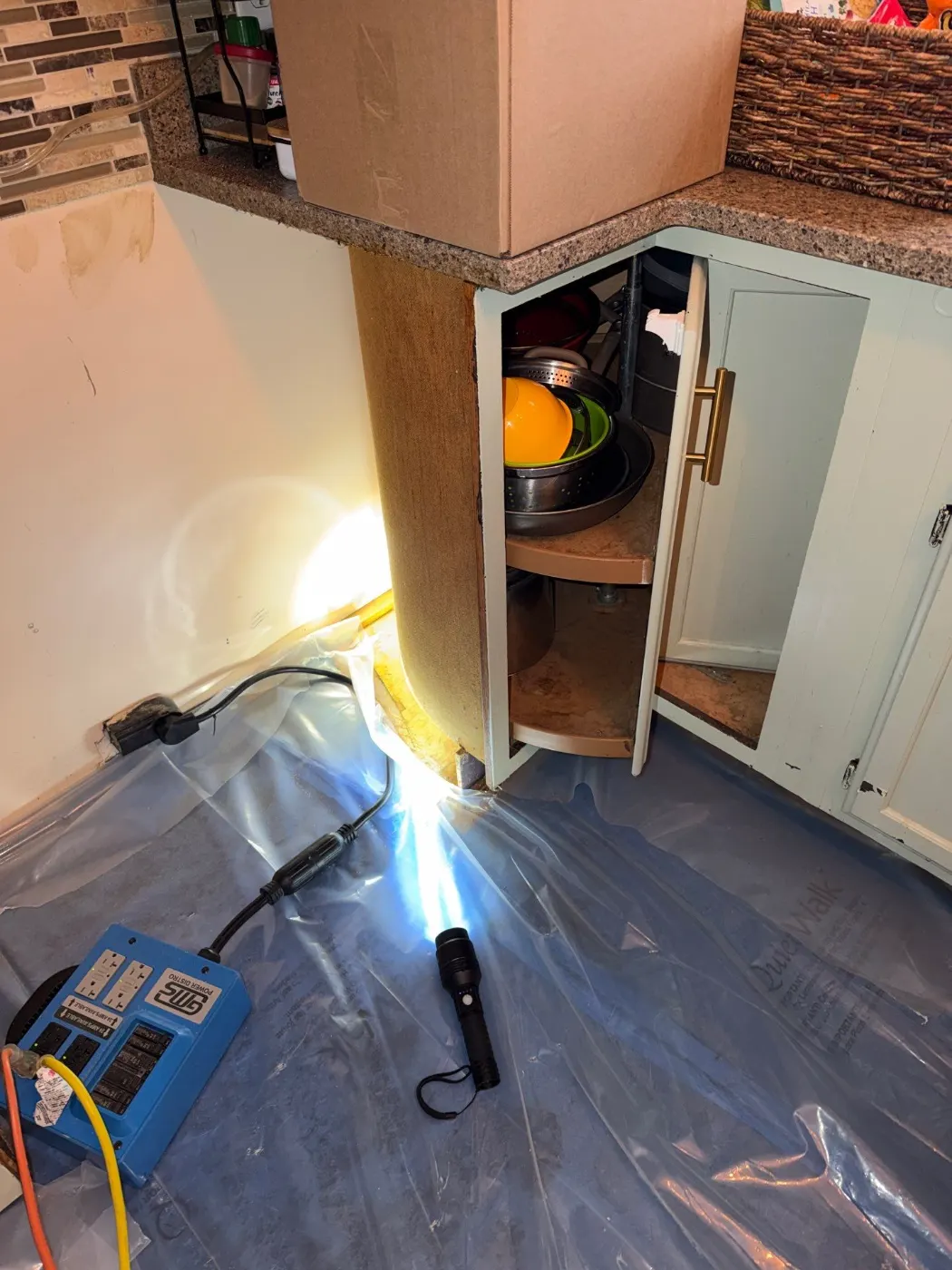
Before a single gallon of standing water is removed, our licensed crew conducts a thorough inspection using thermal imaging cameras and calibrated moisture meters to locate hidden saturation behind walls, beneath tile, and inside insulation bays. This process, called moisture mapping, gives us a complete picture of how far the Category 3 contamination has traveled beyond the visible waterline. We document all affected areas in accordance with IICRC S500 (Water Damage Restoration) protocols, which your insurance carrier will expect to see as part of any valid claim. In Marion County homes with multi zone crawl spaces or partially finished basements, this inspection step consistently reveals damage that a visual check alone would miss entirely.

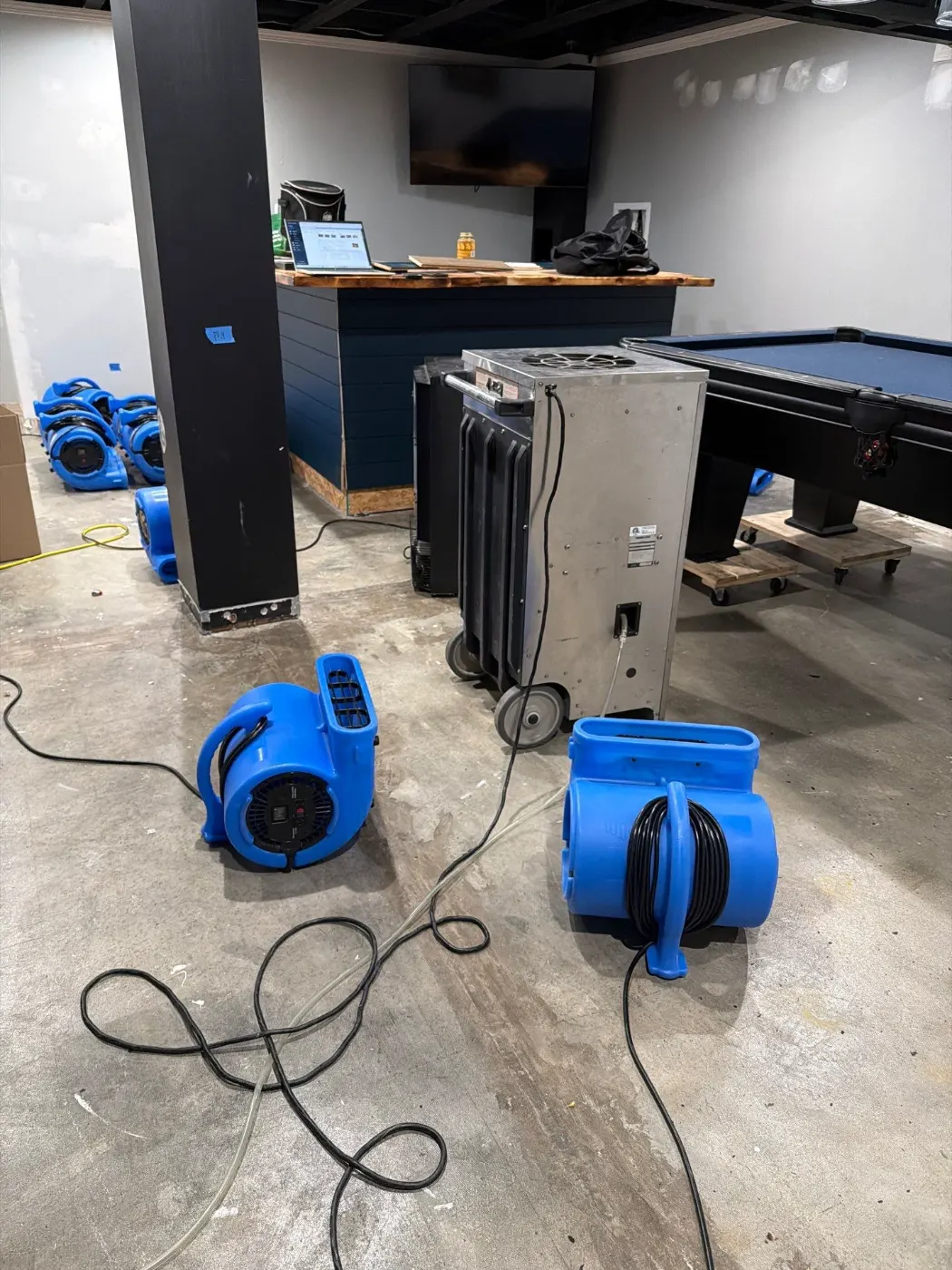
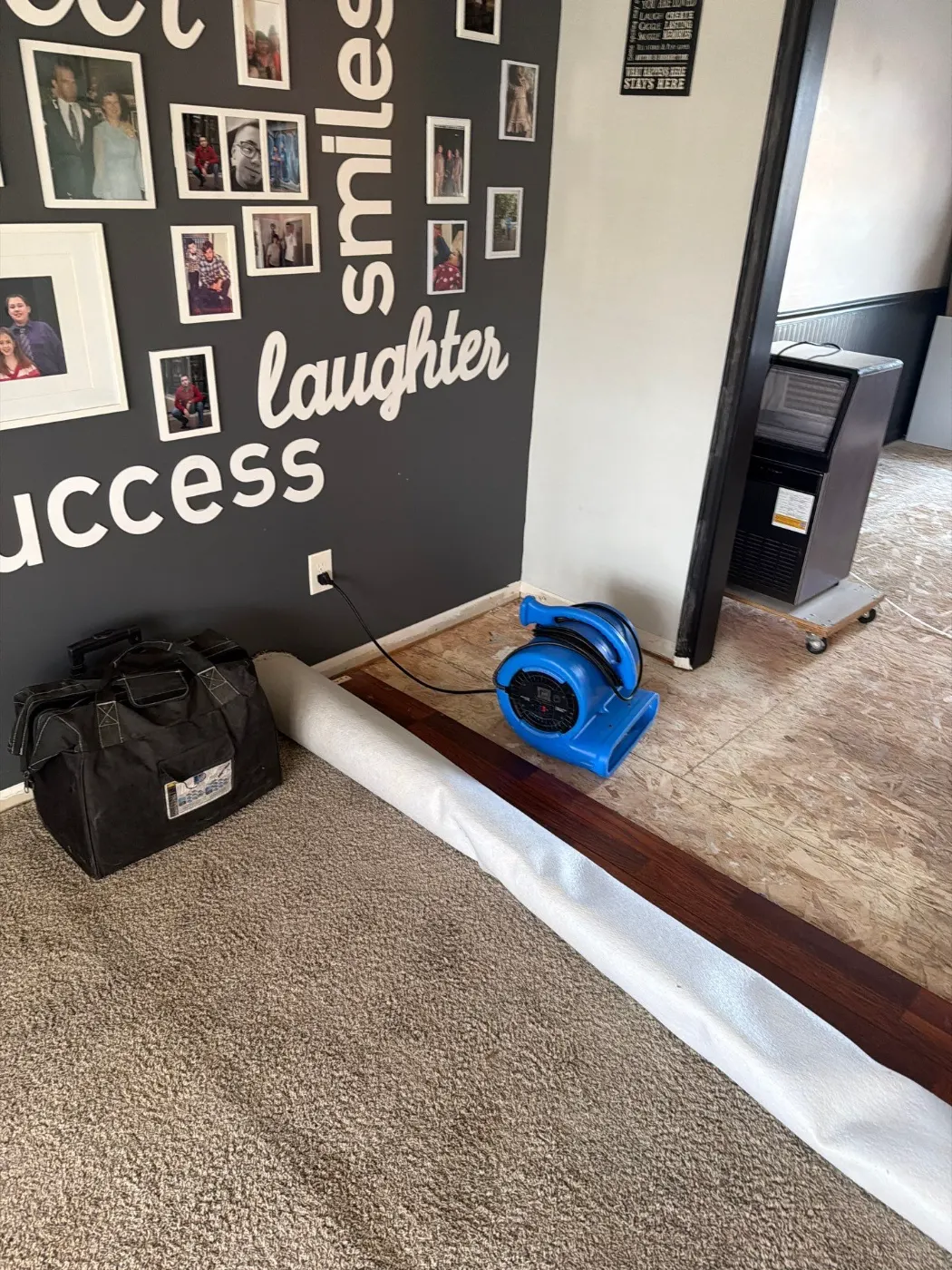
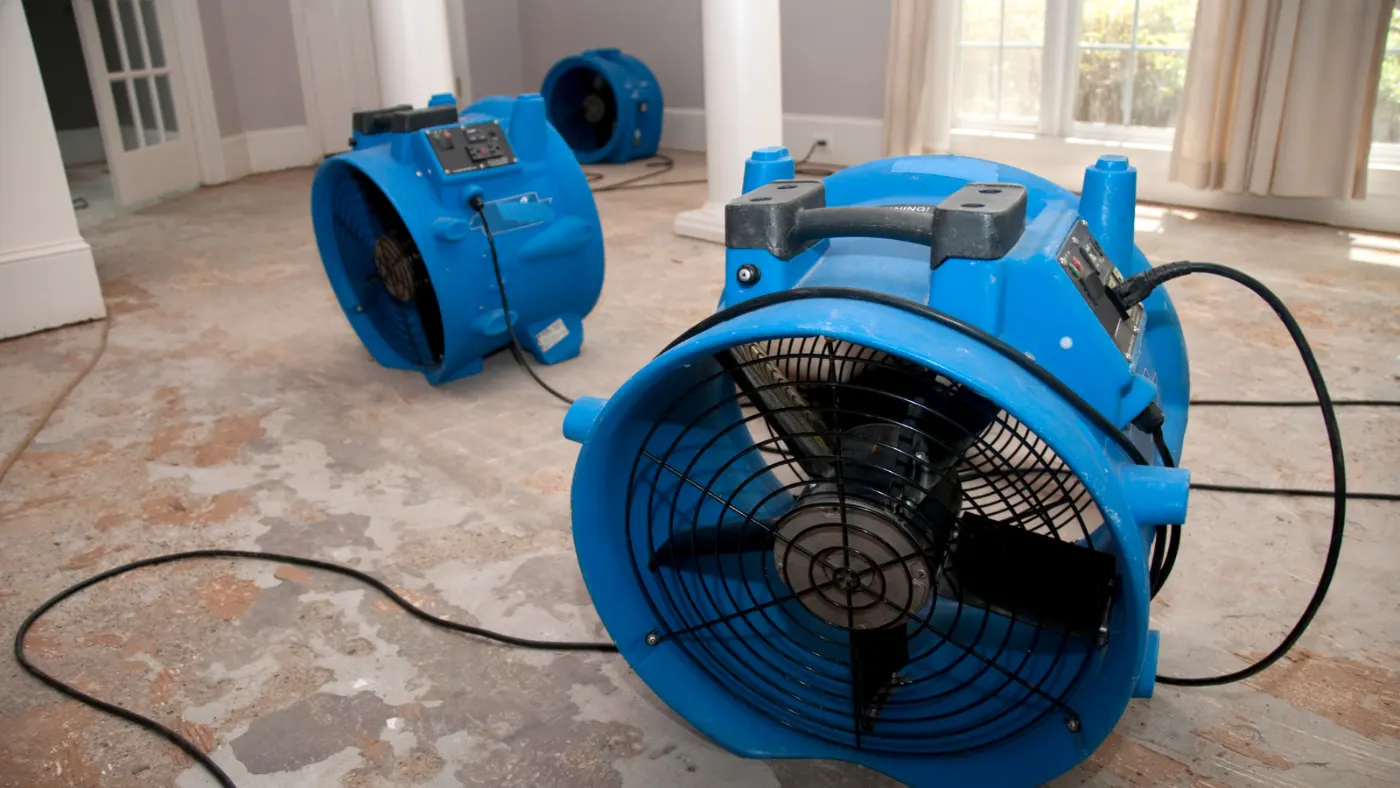
Once moisture mapping is complete and containment barriers are established, the extraction phase begins using commercial water extraction equipment capable of pulling contaminated water from carpet, concrete, and structural assemblies simultaneously. Category 3 sewage losses require controlled demolition of porous materials including drywall, insulation, and saturated flooring that cannot be dried and disinfected to a safe standard. After removal, professional air movers and commercial dehumidifiers are staged throughout the affected area using structural drying calculations to establish the right airflow and dehumidification balance. Most Category 3 residential losses in Williams Creek require 3 - 5 days of active drying before post drying verification confirms moisture readings have returned to normal range.

Navigating an insurance claim after a sewage backup in Williams Creek does not have to fall entirely on your shoulders. Our Team coordinates directly with your adjuster and provides the detailed moisture mapping documentation, scope of loss reports, and categorical water classification that most major insurance carriers require before approving a mitigation claim. We work with your insurance carrier throughout the process so that paperwork delays do not stall remediation. Homeowners in the Post War Infill Section and the College Avenue Edge areas of north Williams Creek often discover that sudden sewage backups caused by a failed sewer lateral or a blocked municipal connection are covered events under standard homeowner policies, though each policy differs on scope and deductibles.

If sewage has reached your floors, walls, or basement in Williams Creek right now, do not wait to see whether it recedes on its own. Mold colonizes within 24 to 48 hours in the warm, humid conditions that follow any sewage event, and insurance carriers expect prompt mitigation as a condition of coverage. Call our team now for dispatch within 2 hours. We offer free inspections with no obligation, and we will walk you through every step from extraction to rebuild before work begins. The faster you call, the more of your home we can save.

When to Call

Signs You Need Sewage Cleanup

If you notice any of these in your Williams Creek home, schedule a free inspection before the issue worsens.

Raw sewage smell rising from floor drains or toilets in your Williams Creek basement after heavy rainfall.

Toilets, sinks, or tubs backing up simultaneously on the lowest level of your home.

Standing water on the basement floor with a gray or brown color and visible solid matter.

Gurgling sounds from multiple fixtures when you flush a single toilet in your Williams Creek home.

Soft or buckling laminate flooring near a laundry drain or utility sink following a backup event.

Dark staining at the base of drywall in a finished lower level consistent with contaminated water wicking upward.

Visible sewage overflow at a floor cleanout or ejector pit in a Williams Creek home with a below grade bathroom.

Persistent sewer gas odor in a crawl space or utility room even after drains appear to have cleared.

Municipal sewer overflow alert issued by the City of Indianapolis affecting Marion County streets near your property.

Recent tree root or lateral line inspection indicating partial blockage that has now caused a full backup in your home.

Our Process

How Williams Creek Water Restoration Handles Sewage Cleanup

Every job follows the same three-step process. Transparent, thorough, and done right the first time.

1

Emergency Dispatch and Arrival

Within 2 hours of your call, a licensed crew arrives at your Williams Creek address with commercial water extraction equipment staged and ready. The crew lead confirms the source of the sewage event, identifies the water category on site, and establishes an initial safety perimeter. Homeowners are briefed on the full scope before any equipment is activated.

2

Moisture Mapping and Documentation

Using thermal imaging cameras and calibrated moisture meters, the crew maps every affected surface including walls, subflooring, and ceiling assemblies below an upper level bathroom. This moisture mapping process creates a documented baseline required by your insurance carrier and ensures no hidden saturation is overlooked before extraction begins. IICRC S500 (Water Damage Restoration) protocols guide this entire phase.

3

Extraction and Controlled Demolition

Commercial water extraction equipment removes standing and absorbed Category 3 sewage water from all affected surfaces. Porous materials including drywall, fiberglass insulation, and contaminated flooring that cannot be safely restored are removed through controlled demolition. This step is non negotiable for Category 3 losses and protects your family from long term pathogen and mold exposure.

4

Structural Drying and Disinfection

Professional air movers and commercial dehumidifiers are placed using structural drying calculations that account for the square footage, material types, and ambient humidity typical of Marion County seasonal conditions. Affected framing and concrete are treated with EPA registered disinfectants. Most Williams Creek residential losses reach target moisture levels within 3 - 5 days of active drying.

5

Post Drying Verification and Rebuild

Before any reconstruction begins, moisture meters confirm that all structural assemblies have returned to acceptable levels. Post drying verification readings are documented and provided to your adjuster. Once clearance is confirmed, the same licensed crew transitions into reconstruction, restoring your Williams Creek home to pre loss condition under a single coordinated project schedule.

Real Project Photos

Sewage Cleanup in Williams Creek

Photographs from real sewage cleanup jobs completed by our crew in Williams Creek and surrounding areas.
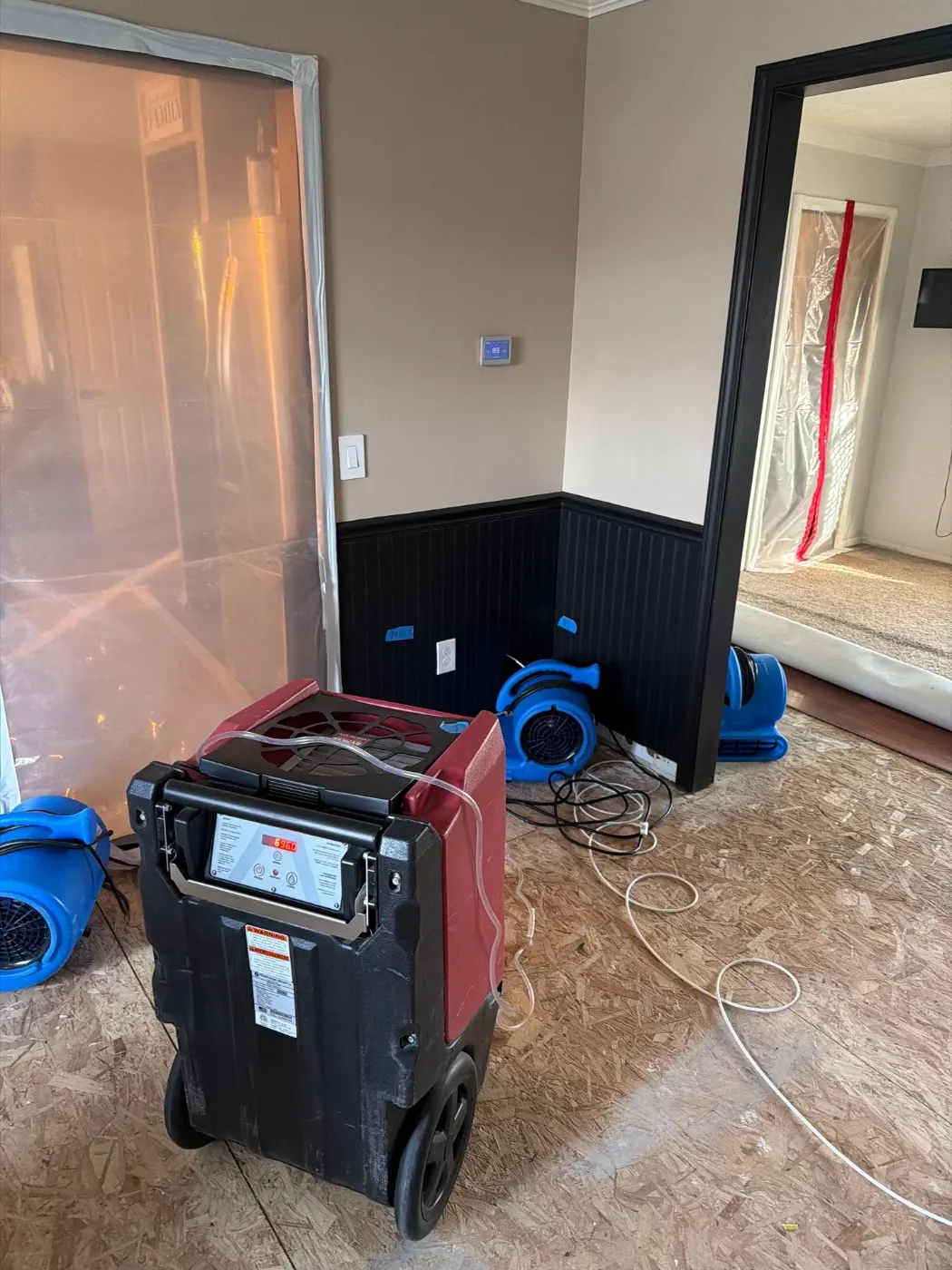
Category 3 sewage cleanup in Williams Creek basementAffected material removal during Williams Creek sewage backup remediationSanitization after sewage event in Williams Creek Indiana homeSewage cleanup crew in PPE on-site in Williams Creek, IN
Common Questions

Sewage Cleanup FAQ

Questions we hear most often from Williams Creek homeowners considering sewage cleanup.

Within 2 hours of your call, a licensed crew will be en route to your Williams Creek property. Our team covers all of Marion County and specifically knows the residential corridors throughout Williams Creek, including the Forest Boulevard District and the Pennsylvania Street Corridor areas. When you call, dispatch begins immediately with no wait for a callback window or scheduling queue. We treat every sewage call as an active emergency because that is exactly what it is. The 2 hour window applies around the clock, including weekends and holidays when most sewage backups actually occur. You will receive a crew arrival confirmation before they reach your door.
Sewage cleanup costs in Williams Creek vary based on the category and scope of the loss. Category 1 losses involving clean water from a supply line typically range from $1,500 - $4,500 for a residential project. Category 2 gray water losses from appliance overflows or toilet bowl spills typically range from $3,000 - $8,000 depending on how far water traveled and what materials were affected. Category 3 sewage losses, which are the most common type our team handles, typically range from $7,000 - $25,000 or more for finished lower levels with contaminated walls, flooring, and structural framing. Most major insurance carriers cover sudden sewage backup events, and we work with your insurance carrier to document the loss accurately so the claim reflects the full scope.
Most major insurance carriers cover sudden and accidental sewage backups, particularly when the cause is a failed sewer lateral, a blocked municipal line, or a malfunctioning ejector pump. Gradual seepage or long term neglect is typically excluded, which is why prompt documentation of the event timeline matters. We work with your insurance carrier and coordinate with your adjuster from the first inspection through final billing. Your policy deductible will still apply, and some policies require a sewage backup rider to cover the full scope of loss, so reviewing your declarations page early is worthwhile. We provide the moisture mapping reports, categorical water classification, and scope documentation that adjusters require to process claims efficiently for Williams Creek homeowners.
Yes, our licensed crew holds active IICRC certification and follows IICRC S500 (Water Damage Restoration) standards on every project in Williams Creek. IICRC S500 (Water Damage Restoration) is the industry standard that defines how water categories are classified, how moisture mapping is conducted, and what drying benchmarks must be met before a structure is considered restored. Certification means our crew is not guessing at drying times or making judgment calls on material removal without a technical framework behind them. For Williams Creek homeowners filing insurance claims, working with an IICRC certified team also signals to your adjuster that mitigation was handled to a recognized professional standard. Continuing education requirements keep our team current on updated protocols and equipment practices.
The timeline for sewage cleanup in Williams Creek depends on water category, affected square footage, and material types involved. Category 1 losses are typically dried and verified within 3 - 5 days when extraction begins promptly. Category 2 and Category 3 losses that involve finished basements, multiple rooms, or saturated structural framing often require 5 - 7 days or longer for the drying phase alone before reconstruction can begin. In older homes in the Post War Infill Section or the Morningside Drive Corridor where dense plaster or thick subfloor assemblies slow moisture release, drying timelines can extend slightly beyond typical ranges. Post drying verification using moisture meters confirms when the structure is genuinely ready for rebuild, not just visually dry.
Our team handles all three water categories defined under IICRC S500 (Water Damage Restoration) standards. Category 1 is clean water originating from a supply line, ice maker, or potable source and carries the lowest health risk and lowest remediation cost. Category 2, known as gray water, comes from appliance overflows, dishwasher leaks, or toilet bowl backups containing urine but not fecal matter and requires careful disinfection along with standard drying. Category 3, or black water, includes any sewage backup, flooding from ground surface water, or water that has been standing long enough to grow bacteria, and it requires full containment, controlled demolition of porous materials, and EPA registered disinfection. Most calls we receive in Williams Creek for basement backups involve Category 3 water regardless of how clean it looks.
Mold colonizes within 24 to 48 hours in the warm, humid conditions that follow a sewage backup, particularly during Indiana's spring and summer months when indoor humidity is already elevated. In Williams Creek homes where finished basements have limited airflow and insulated wall cavities stay warm year round, mold can begin establishing on damp drywall paper and wood framing within that same window. The best prevention is extraction and drying that begins before the 24 hour mark, which is exactly why our 2 hour dispatch commitment exists. If mold is already visible when our crew arrives, we address containment and remediation as part of the project scope. HEPA filtration equipment is deployed when spore counts require air quality control during demolition and drying phases.
First, avoid contact with the sewage water whenever possible since Category 3 water carries pathogens that pose a real health risk, especially for children or anyone with a compromised immune system. If it is safe to do so, locate and photograph the source of the backup before anything is disturbed so the event timeline is documented for your insurance carrier. Turn off electrical circuits serving the flooded area if the panel is accessible without stepping into standing water. Do not run washing machines, dishwashers, or additional water fixtures that drain to the same line until the blockage is cleared. Keep pets and family members out of the affected space until the licensed crew has assessed and contained the area.
Our licensed crew arrives with commercial water extraction equipment to remove standing and absorbed sewage water from concrete, carpet, and structural assemblies quickly. Commercial dehumidifiers are staged based on structural drying calculations for the specific room volumes and material types involved in your Williams Creek home. Moisture meters are used continuously throughout the project to track drying progress inside wall cavities and beneath flooring without requiring additional demolition. Thermal imaging cameras allow the crew to see temperature differences that indicate hidden moisture behind finished surfaces before it becomes a larger problem. When demolition of contaminated materials creates airborne particulates, HEPA filtration units protect air quality for both the crew and your household.
Our Team handles both mitigation and reconstruction, and Williams Creek homeowners benefit from working with a single licensed crew through the entire process. Mitigation covers everything from extraction and controlled demolition through post drying verification. Once moisture readings confirm the structure is ready, the same team transitions to reconstruction including framing, drywall, insulation, and flooring replacement. Working with one crew eliminates the coordination gap that often delays projects when a separate contractor inherits a mitigation job mid stream. Your adjuster also works with a single point of contact for scope changes, which simplifies the claims process and keeps the project on a predictable schedule from start to finish.
Send a Message

Request Sewage Cleanup

Contact Information

Reach Us Directly

Our team is available 24/7 for emergencies and ready to schedule inspections during business hours.

Hours
Available 24/7
Service Area
Williams Creek, IN and Surrounding Areas
License
RC21100059

Need Immediate Help?

For active water, fire, or mold emergencies, call us directly. We are available 24/7.

Call NowGet Quote