Storm Damage

Storm Damage in Williams Creek, IN

When Indiana storms tear through Williams Creek, our licensed crew arrives within 2 hours to stop the damage before it doubles.

Call (317) 676-4257Get Free Quote
Quick Answer

Williams Creek Water Restoration provides storm damage in Williams Creek, IN. 24/7 emergency response with IICRC-certified crews. Most claims are covered by homeowner's insurance and we work with your insurance carrier on approved claims. Call (317) 676-4257 for immediate dispatch.

  • Service: Storm Damage for Williams Creek homeowners
  • Service area: Williams Creek, IN and surrounding areas
  • Response time: Within 2 hours response for Williams Creek inquiries
  • Licensed and insured (License #RC21100059)
  • Serving Williams Creek, IN since 2018
Storm Damage Services

Expert Storm Damage for Williams Creek Homeowners

A severe Indiana thunderstorm does not give Williams Creek homeowners time to plan. Wind driven rain finds every gap in a roof, hail punches through soffit venting, and within the first hour water is moving through ceiling drywall, along floor joists, and pooling inside wall cavities where you cannot see it. Every hour without extraction expands the damage zone and drives moisture deeper into materials that are expensive to replace. Mold colonizes within 24 to 48 hours of saturation, and insurance carriers expect prompt mitigation to limit the total claim. The longer water sits in a Forest Boulevard District home or a mid century ranch in the Post War Infill Section, the more the remediation scope grows.

When you call Our Team in Williams Creek, dispatch begins immediately and a licensed crew is at your door within 2 hours. We arrive with commercial water extraction equipment capable of pulling standing water from finished basements, crawl spaces, and soaked flooring in a single pass. Professional air movers and commercial dehumidifiers come off the truck with the crew so drying begins the same visit, not the next day. Williams Creek sits inside Marion County, and we know exactly how far water travels under the slab grades common to the Morningside Drive Corridor. Speed of arrival is not a selling point here, it is the variable that determines whether your floor structure survives.

Our first job on arrival is understanding exactly where moisture has traveled, because water never stays where it entered. The licensed crew uses thermal imaging cameras to read temperature differentials inside walls and under floors, identifying saturated cavities that look dry to the eye. Moisture meters confirm actual content percentages at dozens of points across the affected area. Every reading feeds a moisture map of your home that follows the IICRC S500 Water Damage Restoration standard, the industry's governing document for how residential drying should be scoped and executed. This documentation also becomes part of your insurance file, showing your adjuster exactly what conditions existed on day one in your Williams Creek home.

Once the scope is mapped, extraction removes standing and absorbed water from all accessible surfaces. For storm losses, that typically means saturated carpet and pad, swollen hardwood, soaked insulation, and drywall that has absorbed water to its paper face. Controlled demolition is performed only where materials cannot be dried in place, which is a judgment made with moisture data, not guesswork. Professional air movers are positioned to drive evaporation through the structure while commercial dehumidifiers remove that vapor from the air. In a Category 1 clean water storm loss, most Williams Creek homes reach drying completion within 3 to 5 days. Category 2 losses with contaminated roof water typically run 5 to 7 days depending on structural depth.

Storm damage claims in Williams Creek involve your insurance carrier from the first day, and our licensed crew is experienced in making that process straightforward for homeowners. We document scope, moisture readings, and all affected materials in a format that most major insurance carriers accept for residential storm losses. We work with your insurance carrier directly, coordinating with your adjuster on scope confirmation and timeline so you are not caught between two conversations at once. Indiana tornado season runs April through June and produces a surge of simultaneous claims across Marion County, which means fast documentation and adjuster communication matters for getting your project on a repair schedule. Your deductible obligation and specific policy language are always reviewed before any scope is finalized.

If you are reading this right now with water on your floor, soaked drywall, or a roof breach actively letting in rain, call Our Team now. A licensed crew dispatches within 2 hours to Williams Creek with commercial extraction equipment and drying technology ready to deploy. Free inspections, no obligation, no pressure. We coordinate with your adjuster and walk your household through every step from the first moisture reading to final post drying verification. Do not wait until morning. The damage growing inside your walls right now is the most expensive part of any storm loss, and stopping it starts with a single call.

When to Call

Signs You Need Storm Damage

If you notice any of these in your Williams Creek home, schedule a free inspection before the issue worsens.

Water stains spreading across ceiling drywall within hours of a Williams Creek thunderstorm passing through.

Buckling or cupping hardwood floors in rooms that were dry before the storm arrived.

A musty odor developing inside closets or finished basement spaces within 24 to 48 hours of the event.

Visible hail impact on roof shingles or soffit venting in the Forest Boulevard District neighborhood.

Saturated insulation visible through a crawl space access panel after a tornado season rain event.

Drywall that feels soft or spongy to the touch along exterior walls following wind driven rain.

Water pooling along the basement perimeter in Williams Creek homes with below grade finished spaces.

Paint bubbling or peeling from interior walls within a day of heavy rainfall and roof intrusion.

Window frames weeping water at the sill or casing after severe hail and wind combined in a single storm.

Williams Creek Estates homeowners noticing standing water in window wells following rapid storm runoff on the Pennsylvania Street Corridor.

Our Process

How Williams Creek Water Restoration Handles Storm Damage

Every job follows the same three-step process. Transparent, thorough, and done right the first time.

1

Emergency Dispatch and Arrival

From your first call, a licensed crew is dispatched and on site in Williams Creek within 2 hours. The truck arrives stocked with commercial extraction equipment, thermal imaging gear, and moisture meters so no time is lost sourcing tools after arrival. You meet a crew member at the door who walks the exterior and interior with you before any equipment is placed.

2

Moisture Mapping and Scope

Using thermal imaging cameras and calibrated moisture meters, the crew builds a complete moisture map of every affected surface and cavity in your home. This follows the IICRC S500 Water Damage Restoration standard and documents exactly where water traveled beyond the visible damage zone. The map drives every demolition and drying decision that follows.

3

Extraction and Controlled Demolition

Commercial water extraction equipment removes standing and absorbed water from flooring, subfloor, and structural cavities. Where drywall, insulation, or flooring cannot dry in place, controlled demolition removes only what moisture data confirms is unsalvageable. Williams Creek homeowners receive a clear explanation before any material is removed from their home.

4

Structural Drying Phase

Professional air movers are positioned according to structural drying calculations that account for room volume, material types, and current moisture readings. Commercial dehumidifiers run continuously to capture evaporated moisture before it redistributes. The crew returns daily to read moisture meters, reposition equipment, and update your drying progress until target levels are reached across all materials.

5

Verification and Restoration Handoff

Post drying verification confirms that all monitored points have reached acceptable moisture content before equipment is removed. A final moisture map documents the completed dry condition for your insurance carrier and your own records. At this stage the crew reviews any reconstruction scope with you and the project moves from mitigation into repair without changing teams or schedules.

Real Project Photos

Storm Damage in Williams Creek

Photographs from real storm damage jobs completed by our crew in Williams Creek and surrounding areas.
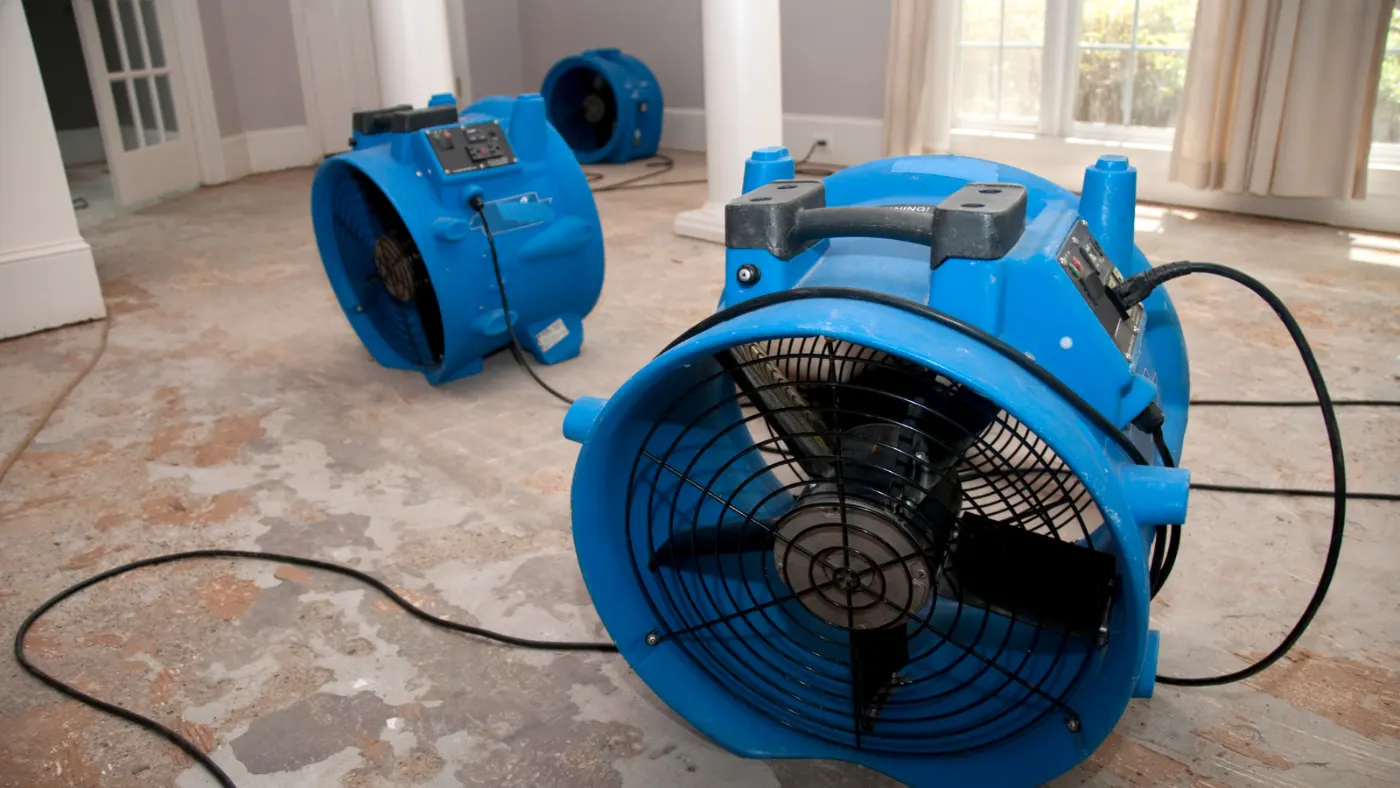
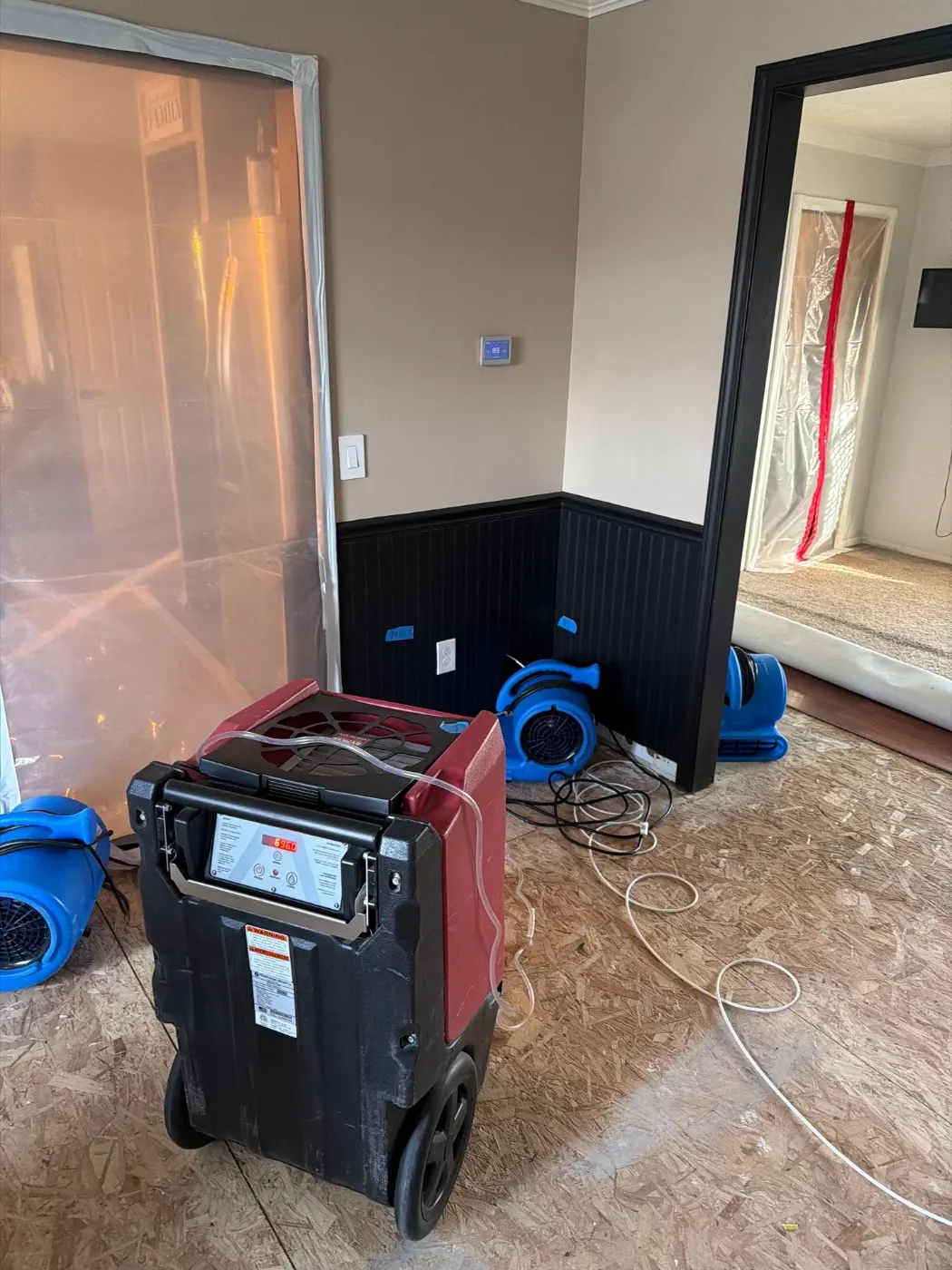
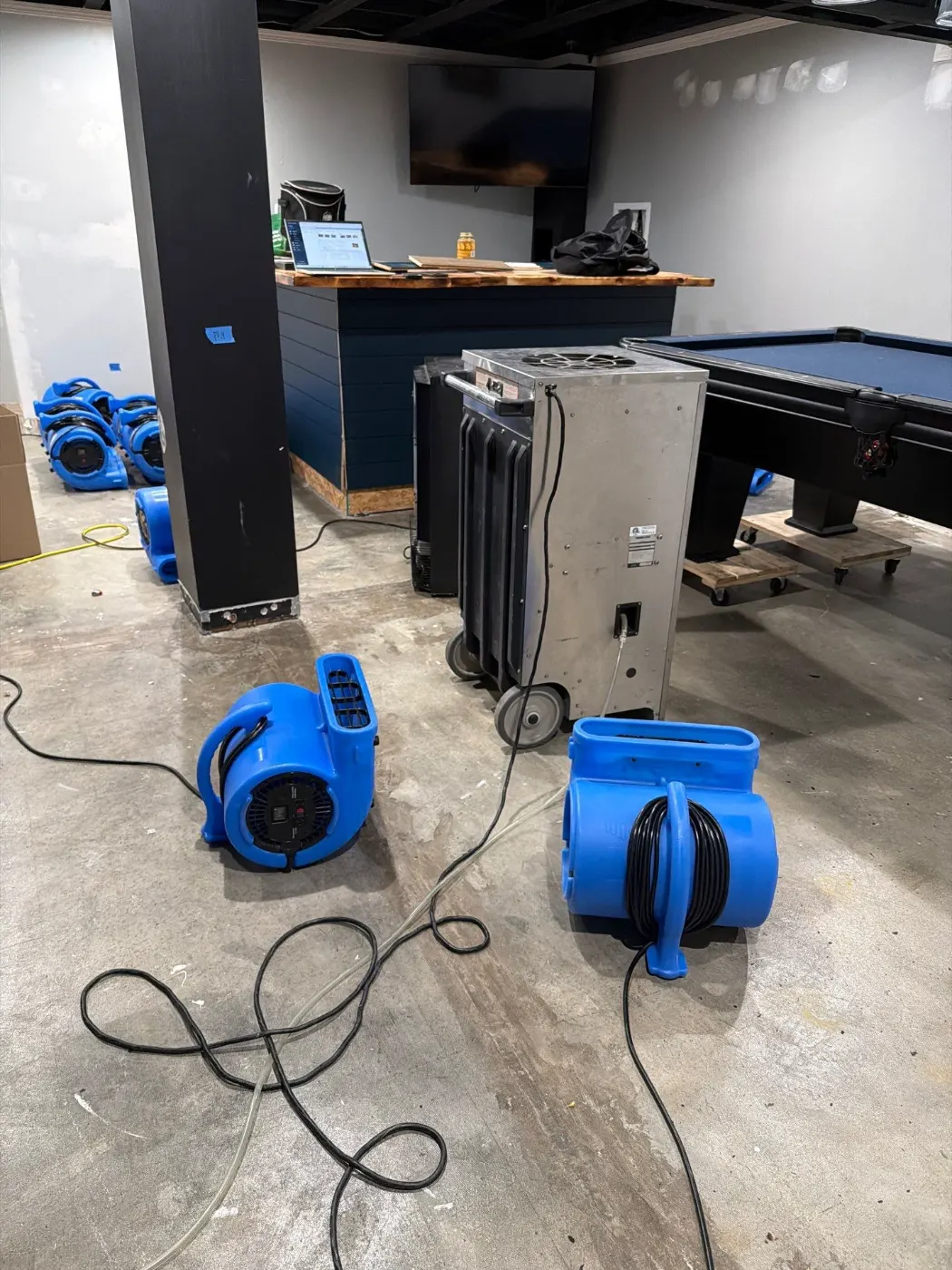
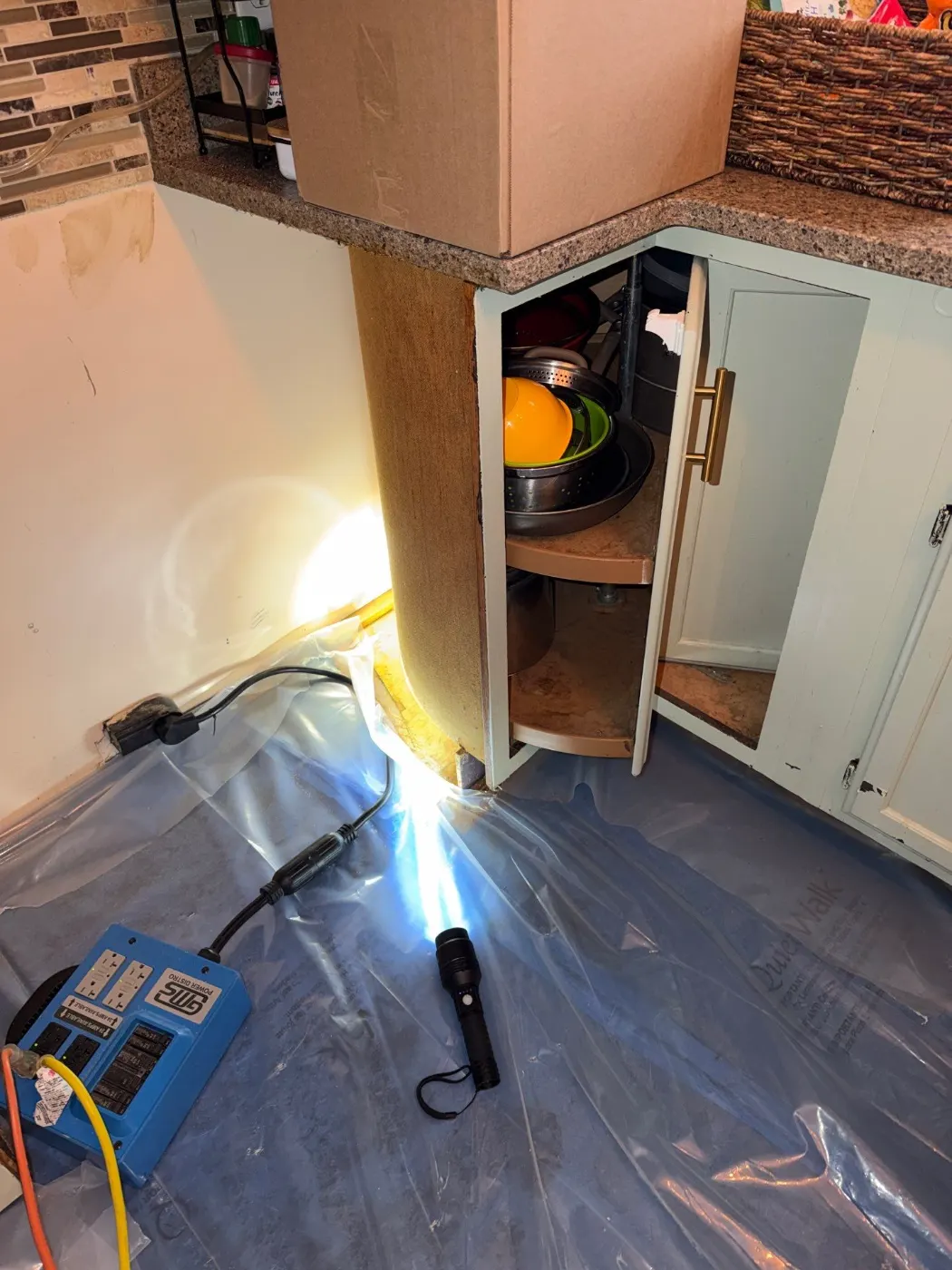
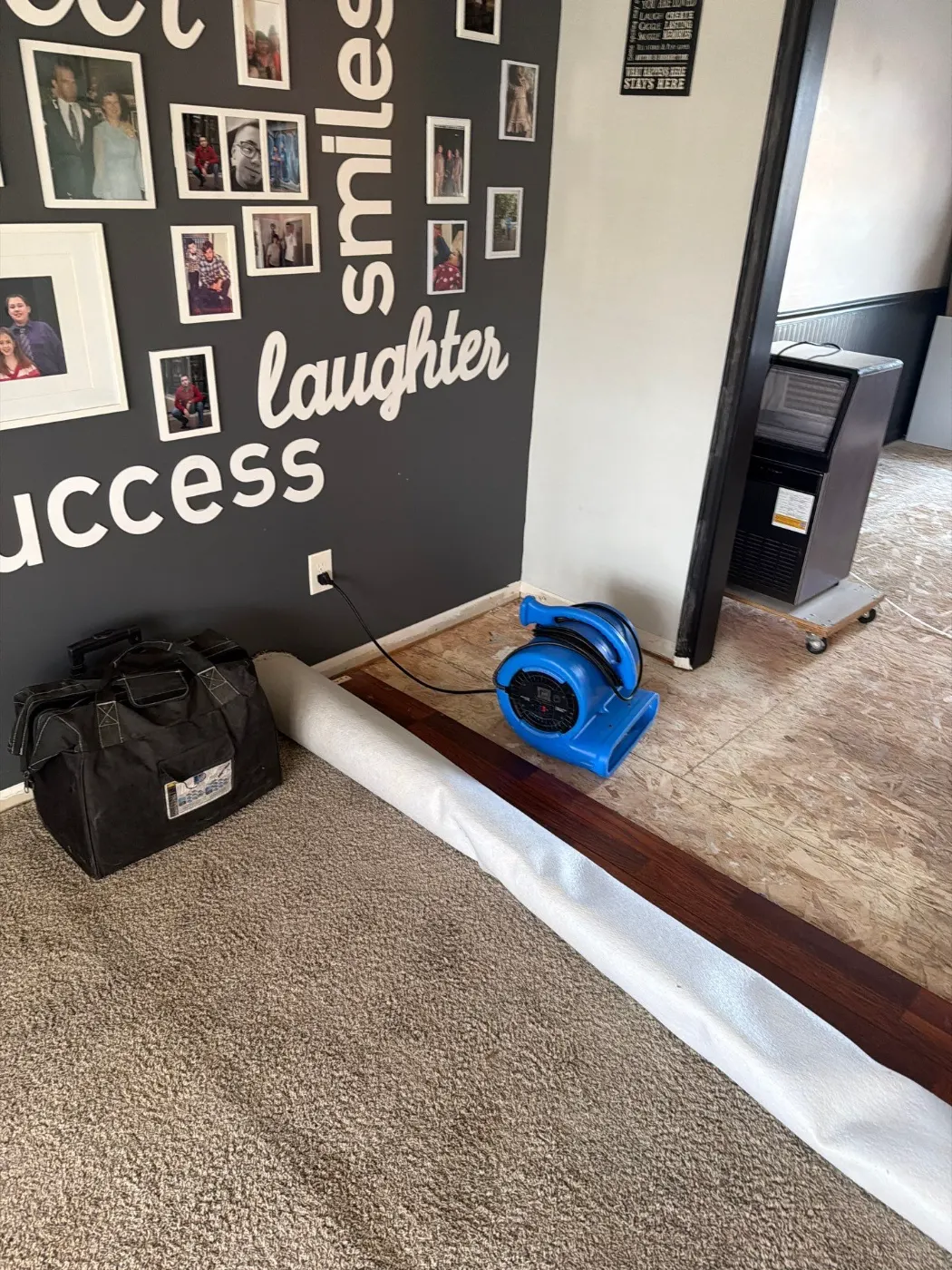
Storm-driven water mitigation in Williams CreekEmergency tarping after storm damage in Williams Creek, Hamilton CountyWater extraction after storm event in Williams Creek residential homeStructural drying after storm intrusion in Williams Creek
Common Questions

Storm Damage FAQ

Questions we hear most often from Williams Creek homeowners considering storm damage.

Within 2 hours of your call, a licensed crew is dispatched and en route to your Williams Creek address. We serve all of Marion County and maintain coverage specifically for the storm seasons that hit this area hardest, April through June during tornado season and the late summer severe thunderstorm pattern that moves through central Indiana. Dispatch is available every day and your call reaches a team member who can confirm arrival time before you hang up. Williams Creek homes in the College Avenue Edge and Morningside Drive Corridor are within our standard response zone. No answering service, no callback queue during active storm events.
Storm damage restoration cost depends on the water category and the depth of structural involvement. A Category 1 clean water loss from a roof breach with no contamination typically runs between $1,500 and $4,500 for mitigation in a standard Williams Creek residence. Category 2 losses involving contaminated runoff or gray water intrusion from storm drain backup generally fall between $3,000 and $8,000. Category 3 losses with black water involvement, such as sewage backup triggered by storm flooding, range from $7,000 to $25,000 or more depending on finished square footage affected. Most major insurance carriers cover sudden storm losses above your deductible. We provide full scope documentation for your adjuster before work begins.
Most major insurance carriers cover storm damage that results from a sudden and accidental event, which describes the majority of Williams Creek claims involving roof breaches, hail damage, and wind driven rain intrusion. Coverage typically does not extend to damage caused by long term neglect, gradual leaking, or pre existing roof deterioration that storm conditions simply exposed. Your specific policy language and deductible determine your out of pocket portion, and we recommend reviewing your declarations page as soon as the event occurs. We work with your insurance carrier throughout the process, coordinating with your adjuster on scope documentation, moisture mapping results, and repair estimates. We do not works with your insurance carrier, but we coordinate with your adjuster to make the claims process as straightforward as possible for you.
Yes, our licensed crew performs storm damage restoration work according to the IICRC S500 Water Damage Restoration standard, which is the primary industry document governing how residential water damage is scoped, dried, and verified. IICRC S500 Water Damage Restoration certification means our crew understands moisture behavior in different material types, how to calculate structural drying requirements, and what post drying verification must confirm before a project is complete. For Williams Creek homeowners, this matters because it means the documentation we produce is the same format your insurance adjuster expects to see. It also means decisions about controlled demolition are based on measurable data, not judgment calls made without instrument readings.
Drying duration depends on the water category, how long moisture was present before extraction began, and how deeply water penetrated structural materials. A Category 1 clean water loss caught within the first few hours typically reaches drying completion in 3 to 5 days for most Williams Creek homes. Category 2 losses with greater material saturation or contamination usually run 5 to 7 days. Category 3 losses involving black water or extensive structural penetration may require 7 to 10 days or longer before post drying verification confirms acceptable moisture levels throughout. Homes in the Post War Infill Section with original mid century construction sometimes have material assemblies that hold moisture longer than newer builds, which extends the timeline slightly.
Our licensed crew handles all three water damage categories as defined by the IICRC S500 Water Damage Restoration standard. Category 1 is clean water from a supply line, roof intrusion from rain, or other sanitary source that poses no immediate health concern. Category 2 is gray water with contamination from sources like storm drain overflow, washing machine discharge, or aquarium water that carries biological or chemical load. Category 3 is black water, the most serious classification, which includes sewage, rising flood water from ground sources, and any water that has been standing long enough to reach dangerous biological contamination levels. Williams Creek storm events can produce Category 1 or Category 2 conditions depending on the source, and storm drain backup during heavy rain events often pushes losses into Category 2 territory quickly.
Mold colonization begins within 24 to 48 hours of sustained moisture in building materials, which is why extraction speed matters more than most homeowners realize when a storm hits a Williams Creek property. Drywall paper, wood framing, and subfloor materials all provide organic food sources that mold needs to establish. High indoor humidity after storm damage, even without standing water, accelerates spore activation in cavities where commercial dehumidifiers have not yet been placed. Our licensed crew addresses mold risk as part of the drying protocol rather than treating it as a separate problem that appears later. When thermal imaging and moisture readings suggest that material has been saturated beyond a recoverable threshold, controlled demolition removes it before colonization can take hold.
First, document everything with photos and video before moving any furniture or touching any damaged material, because this becomes your claim record. Second, turn off electricity to any room with standing water or where ceiling fixtures are visibly wet, since water and live circuits are the first safety concern in any storm loss. Third, if a roof breach is active and rain is still falling, place buckets or move valuables away from the drip path, but do not attempt temporary tarping in unsafe conditions. Fourth, call your insurance carrier to open a claim as soon as possible, because most major insurance carriers have prompt notification requirements in their policy language, and a delayed report can complicate the claims process for Williams Creek homeowners.
The crew arrives with commercial water extraction equipment to remove standing and absorbed water from flooring, carpet, subfloor, and structural cavities in a single deployment. Thermal imaging cameras allow the crew to read temperature differentials inside walls and under floors, identifying saturated zones that are invisible to the eye but actively spreading damage. Moisture meters provide calibrated readings at every monitoring point, which feed the moisture map that documents your drying progress from day one through post drying verification. Commercial dehumidifiers and professional air movers run together throughout the drying phase, one pulling moisture into the air and the other removing it from the indoor environment continuously.
Our Team handles both mitigation and reconstruction so your Williams Creek home moves from extraction and drying straight into repair without switching companies or re explaining your project to a new contractor. Mitigation is the phase that stops the damage, removes unsalvageable material, and dries the structure to acceptable moisture levels. Reconstruction is everything that follows, replacing drywall, flooring, insulation, trim, and any structural elements that controlled demolition removed. Using the same licensed crew for both phases means the person who mapped your moisture damage is the same team that knows exactly what was removed and why, which produces a more accurate repair scope and a faster overall project timeline for homeowners across Williams Creek and Marion County.
Send a Message

Request Storm Damage

Contact Information

Reach Us Directly

Our team is available 24/7 for emergencies and ready to schedule inspections during business hours.

Hours
Available 24/7
Service Area
Williams Creek, IN and Surrounding Areas
License
RC21100059

Need Immediate Help?

For active water, fire, or mold emergencies, call us directly. We are available 24/7.

Call NowGet Quote