Basement Flooding in Williams Creek, IN
Stored belongings in your Williams Creek basement get photographed and listed before anything leaves the house.
Williams Creek Water Restoration provides professional Basement Flooding in Williams Creek: emergency availability every day of the year, certified crews, and coordination with your insurance carrier on approved claims. Call (317) 342-7736.
- Service: Basement Flooding for Williams Creek homeowners
- Service area: Williams Creek, IN and surrounding areas
- Response time: Rapid emergency dispatch for Williams Creek inquiries; crews available 24/7
- Licensed and insured (License #RC21100059)
- Serving Williams Creek, IN since 2018
Basement Flooding Cleanup in Williams Creek
We handle basement flooding cleanup throughout Williams Creek, from standing water on the slab to drywall that's wicking it up.
Basements Here
Plenty of Williams Creek homes went up between the 1920s and the 1940s, and full basements are the norm.
Where the Water Comes From
Homes near the creek of the same name face added flood risk after heavy rain. The water table runs high and the clay soil drains slowly, so groundwater can seep into basements here.
Our crews work all over Williams Creek, from Spring Mill Woods to the streets near 81st Street and Spring Mill Road. We also clean up flooded basements in Broad Ripple, Meridian Hills, Washington Township and Ravenswood.
Expert Basement Flooding for Williams Creek Homeowners
A storm heavy enough to fill the sump pit often takes the power out as well, and a pump with no electricity can't lift anything. If the lights went out and your Williams Creek basement kept filling, the water has been sitting on the slab since the pit overflowed. Williams Creek Water Restoration pumps it out and reads every wet surface before deciding what has to come out.
You decide what happens to your basement, with the readings in front of you. Williams Creek Water Restoration walks you through the readings in your Williams Creek basement and explains what can dry in place and what has to come out, along with the reason for each. Any change to the plan comes with new photos and another conversation before the work moves ahead.
Framing and subfloor readings drive the Williams Creek Water Restoration schedule on a basement. A bottom plate sitting on wet concrete reads high long after the surface feels dry, and it won't give that water up quickly. Particleboard underlayment swells and comes apart where plywood usually survives. Crews take moisture content readings inside the wood as well as at the surface, and the drying goal comes from unaffected wood of the same species in the same house.
Start with wide photos from the bottom of the stairs, then take close ups of the sump pit and the high water line with a tape measure held against it. Phone photos carry a date and time, which helps an adjuster place the loss. Williams Creek Water Restoration photographs your Williams Creek basement too, and yours cover the hours before the crew arrived.
A wet finished basement in Williams Creek is a scope that's growing while you think about it. Call Williams Creek Water Restoration and a crew dispatches to extract, measure, and show you which materials can dry in place. The readings and photos are yours whether you file a claim or pay for the work yourself.
Signs You Need Basement Flooding Cleanup
If you notice any of these in your Williams Creek home, schedule a free inspection before the issue worsens.
Puddles that show up in your Williams Creek basement after heavy rain and dry out before anyone sees them
Paint blistering and peeling off the lower foundation wall of your Williams Creek basement in sheets
Wall panels or foam board in your Williams Creek basement bulging outward, with water trapped behind them
Laminate or engineered flooring cupping, with seams lifting in the middle of a plank run
Water dripping through the basement ceiling below the first floor laundry room or bathroom
Water seeping under the door at the bottom of a walkout or exterior basement stairwell
Condensation beading on cold water lines while the concrete floor stays dark and cool
Stair step cracks in the block wall that darken and bead moisture after days of rain
Battery backup alarm sounding on the sump pump, or a backup battery that ran flat in an outage
Water on the Williams Creek basement floor in early spring while the snow melts, even with no rain
How Williams Creek Water Restoration Handles Basement Flooding
We follow these steps in order on every Williams Creek job.
Safety and Source Check
Power to the affected area gets evaluated at the panel before anyone walks into standing water, and the crew locates the entry point. A failed pump, a stuck float switch, a bad check valve and a backed up drain each leave different evidence behind them.
Source Check
The crew finds where the water came from and photographs it before anything moves. Seepage through a foundation wall gets handled differently from a backup out of a sanitary line, and the source decides what protective gear the job needs and which materials come out.
Scope Review
The crew walks the moisture map of your Williams Creek basement with you and explains what can dry in place and what has to come out. You approve the scope in writing before any drywall is cut, and any change comes with new photos and readings.
Upstairs Moisture Check
The crew closes off the stairway and reads the first floor walls above the basement of your Williams Creek home, along with the underside of the floor. Those readings show whether humidity moved up and keep the drying confined to the basement.
Repair Planning
With the clearance readings in hand, the crew goes through what was removed and what needs to go back. You can ask about materials that handle moisture better, and the repair scope is yours to approve before any work is scheduled.
Basement Flooding in Williams Creek
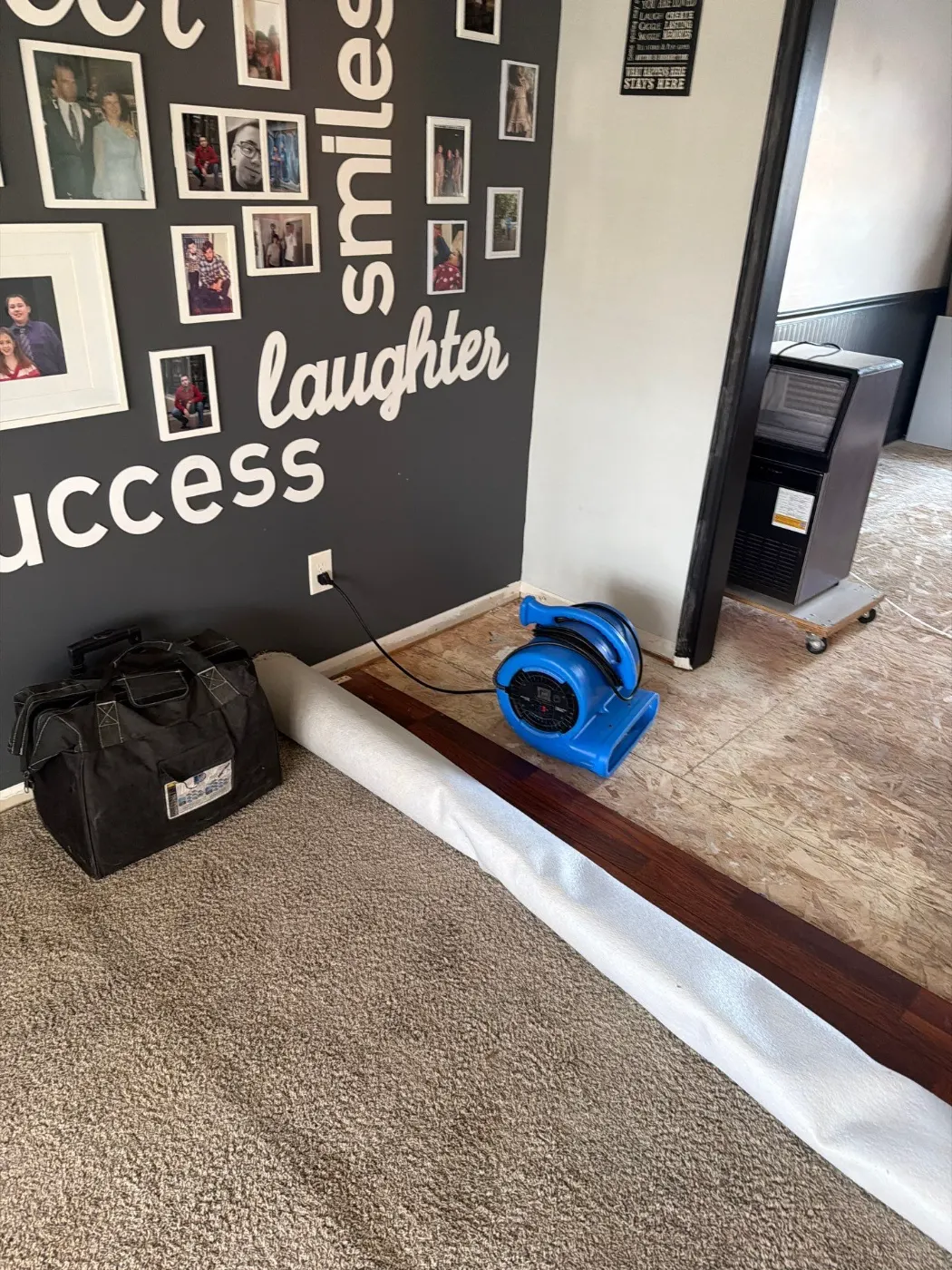
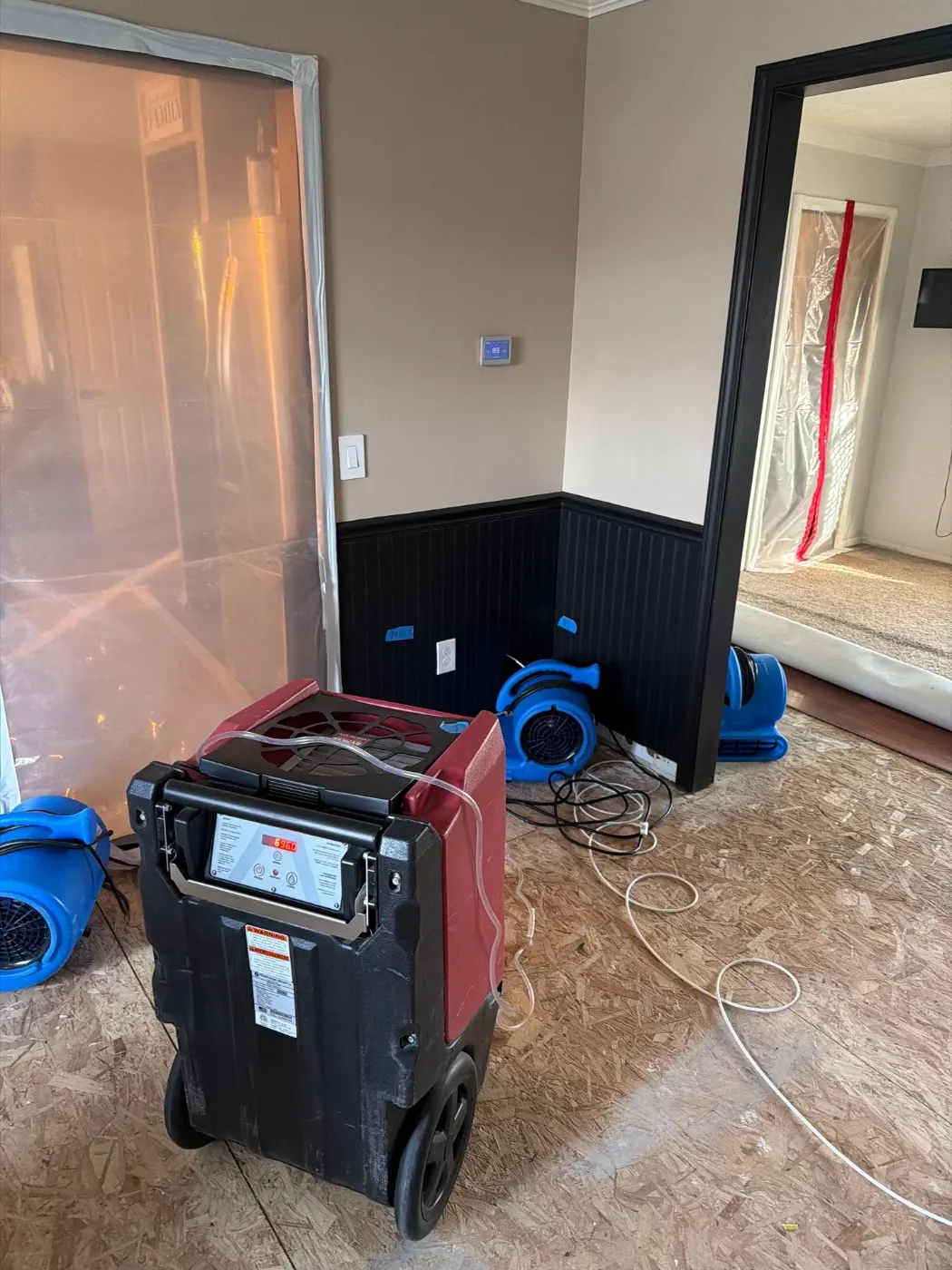
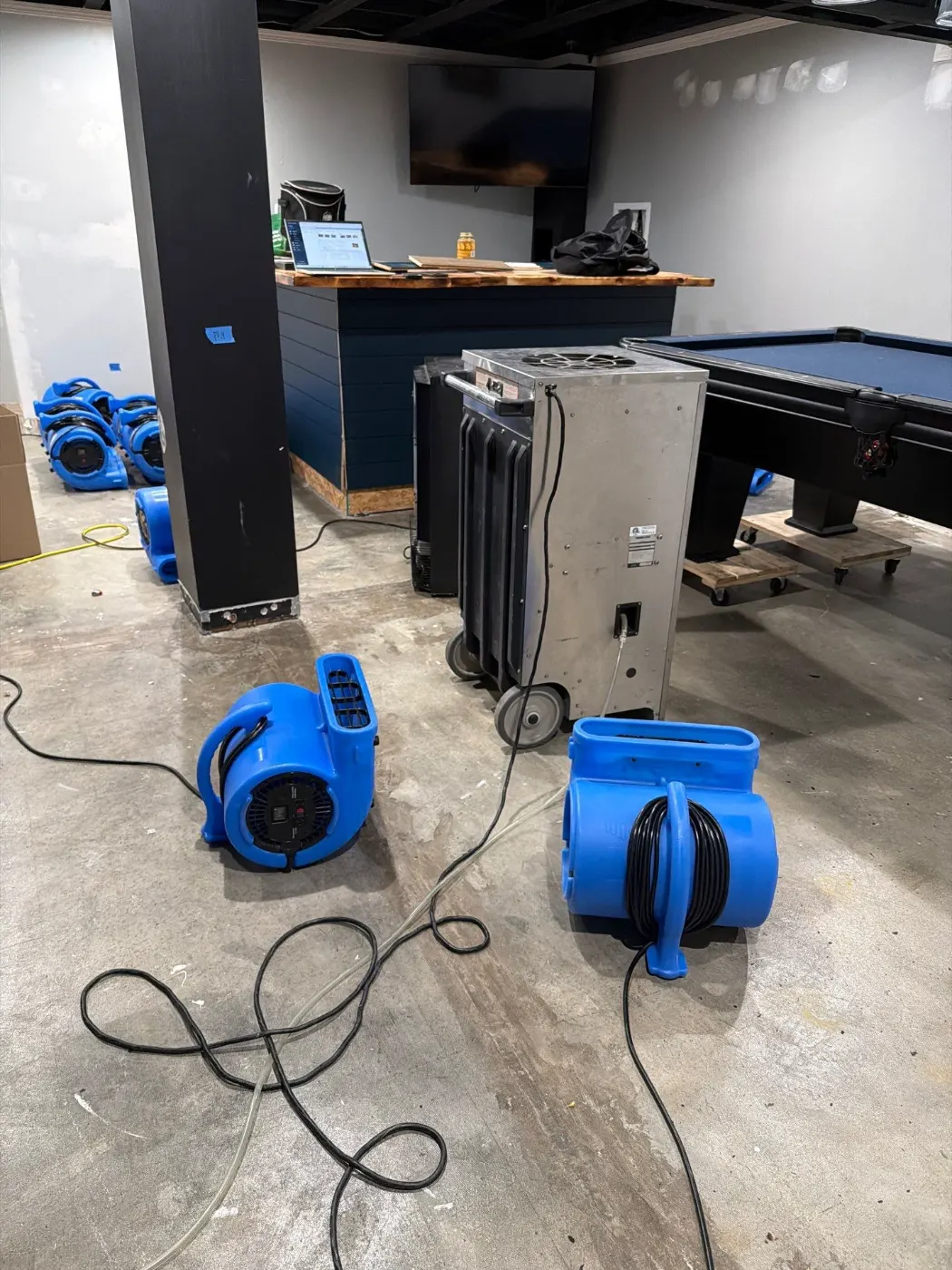
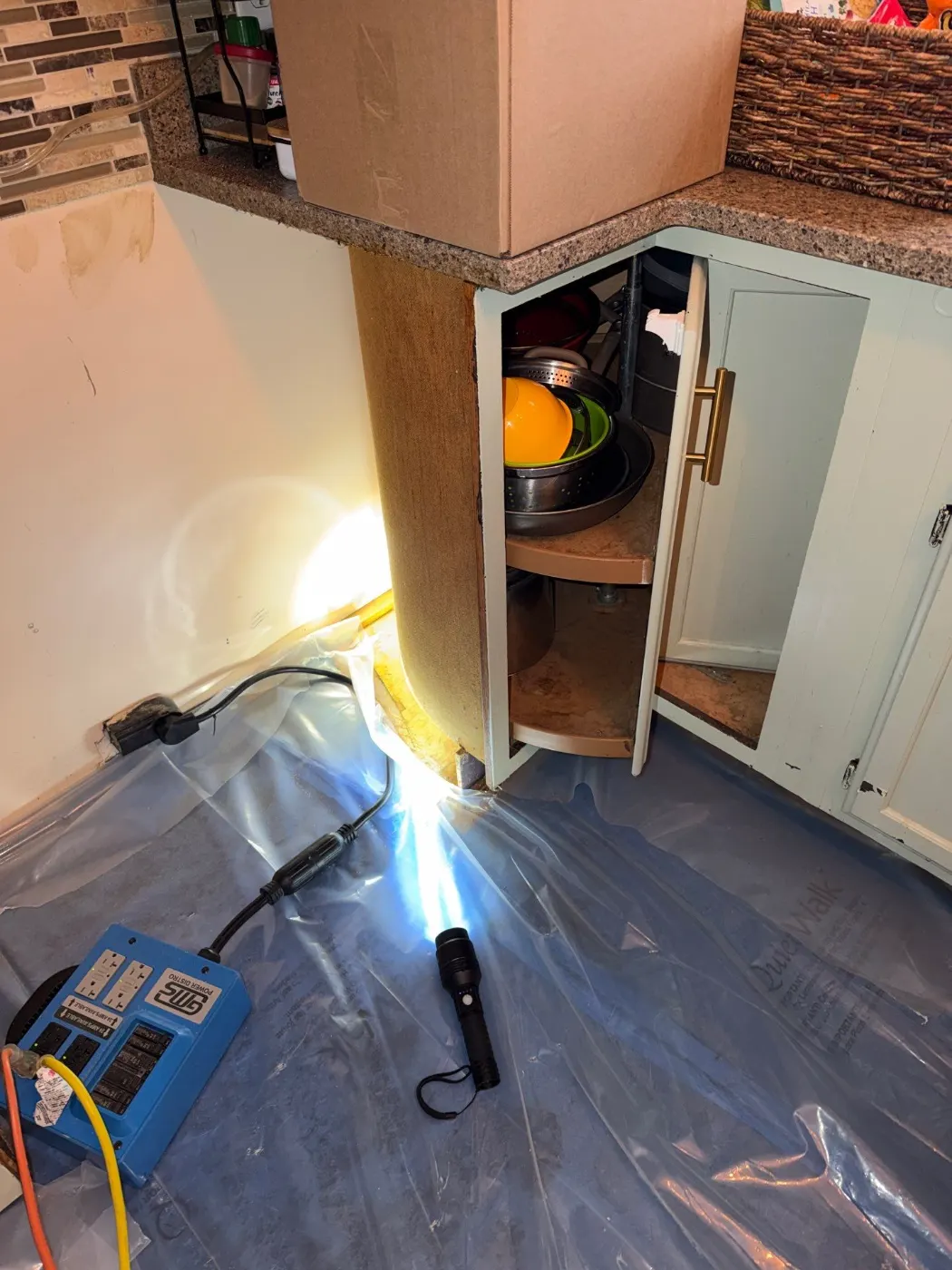
Photographs from real basement flooding jobs completed by our crew in Williams Creek and surrounding areas.

Basement Flooding FAQ
Questions Williams Creek homeowners ask us about basement flooding cleanup.
Guidance and Standards for Basement Flooding
- EPA advises drying water damaged areas and items within 24 to 48 hours to prevent mold growth. EPA: A Brief Guide to Mold, Moisture and Your Home
- Ready.gov notes that homeowners insurance policies don’t cover flooding, so check what your own policy says. Ready.gov: Floods
Williams Creek Neighborhoods We Serve
We take basement flooding calls in every part of Williams Creek. Pick your neighborhood for local details.
Other Restoration Services in Williams Creek
Williams Creek Water Restoration handles the full scope of restoration work. Explore our other services below.
Water Damage Restoration in Williams Creek
24/7 emergency response. IICRC certified water restoration from extraction to full dry out.
Learn more →Sewage Cleanup in Williams Creek
Category 3 biohazard cleanup. Full containment, decontamination, structural restoration.
Learn more →Storm Damage in Williams Creek
Storm related water emergencies. Tarping, extraction, drying, and full restoration.
Learn more →Request Basement Flooding Cleanup
Reach Us Directly
Our team is available 24/7 for emergencies and ready to schedule inspections during business hours.
Need Immediate Help?
For active water or mold emergencies, call us directly. We are available 24/7.