Commercial Sewage Cleanup in Williams Creek, IN
Notes your plumber can use to help prevent the next backup come with every sewage cleanup in Williams Creek.
When Williams Creek homeowners need Commercial Sewage Cleanup, Williams Creek Water Restoration responds 24/7 with certified technicians, fast equipment deployment, and claim ready documentation. Call (317) 342-7736 for immediate dispatch.
- Service: Commercial Sewage Cleanup for Williams Creek homeowners
- Service area: Williams Creek, IN and surrounding areas
- Response time: Emergency water calls in Williams Creek get crews rolling, not callbacks
- Licensed and insured (License #RC21100059)
- Serving Williams Creek, IN since 2018
Commercial Sewage Backup Cleanup in Williams Creek
When sewage backs up in a commercial building in Williams Creek, we'll contain the area so the rest of the building can keep working.
Sewer System Notes
Older parts of Indianapolis drain to combined sewers that carry rain and sewage together. Big storms can back that sewage up into lower levels. On the first walkthrough, we'll check where your building ties into the public sewer and whether it has a backflow valve.
We handle commercial sewage jobs anywhere in Williams Creek, including the area near North College Avenue and 81st Street. We also handle commercial sewage backups in Nora, Broad Ripple, Meridian Hills and Washington Township.
Commercial Sewage Cleanup for Williams Creek Businesses
Tenants in a strip center often share a lateral, which means a blockage in one unit can surface in another unit's floor drains. Williams Creek Water Restoration works those losses in Williams Creek with the lease question in mind: separate documentation per unit, photographs of where the water went, and a scope written so an owner, a tenant, and an adjuster can all read the same file. Extraction and containment start while the plumbing cause is being located.
When a kitchen backup traces to a grease interceptor, the crew documents its condition before anyone disturbs it, with photographs of the lid and the liquid level. Your grease hauler handles the pumping, and the hauler's manifest goes in the file next to the cleanup scope for your Williams Creek building. That record also shows when the interceptor was last serviced.
Extraction on a sewage loss uses pumps rated for solids, which a standard carpet extractor isn't. Williams Creek Water Restoration crews pull the standing waste first, then take out saturated porous material in bagged loads through a controlled exit. Hard floors get scraped and squeegeed before cleaning. Only once the gross contamination is gone and the surfaces are cleanable does drying equipment go into the space.
Sewer backup coverage on a commercial policy is often an endorsement with its own limit, which can be lower than the building limit. Williams Creek Water Restoration can't tell you what your policy covers, so read the endorsement or ask your agent before the scope grows. What the crew does is document the loss completely, so you have one record to work from.
Call Williams Creek Water Restoration before you let staff near a sewage backup. Sewage carries pathogens, and a crew dispatches to Williams Creek properties with the PPE and HEPA filtration it takes to handle it safely. The inspection comes first, and your people stay out of the zone while the crew documents the work.
Signs You Need Commercial Sewage Cleanup
If you notice any of these in your Williams Creek building, schedule a free inspection before the issue worsens.
Cove base peeling away from a restroom wall near the floor drain
Corridor carpet that feels damp and smells of sewage near a restroom door
Discolored water backing up into a mop sink when nothing is being poured into it
Water in a below grade storage room after the building ran heavy restroom or kitchen use
Exterior cleanout flooded or overflowing in a parking lot or alley
Carpet tile edges in a corridor outside a restroom staying damp between cleanings
Dish machine discharge overflowing the floor sink beside it at the end of each cycle
Dark staining or a residue ring spreading outward from a floor drain grate
Tenants on more than one floor reporting the same odor within a day of each other
Walk in cooler floor drain backing up into the cooler
How Williams Creek Water Restoration Handles Commercial Sewage Cleanup
We follow these steps in order on every Williams Creek job.
Source Shutoff and Power Check
Your maintenance team and plumber take affected fixtures out of service while the crew confirms which circuits serve the wet area. Outlets and panels near standing water get isolated before any pump or extractor is plugged in.
Containment and Access Control
Crews build 6 mil poly barriers with zipper entries around the affected area, seal the HVAC openings serving it, and put the zone under negative pressure with HEPA air scrubbers. Entry is limited to crew in PPE for the rest of the job.
Moisture Mapping and Cut Lines
Once the standing waste is out, meters and a thermal camera trace the wet edge across floors and walls. The crew marks cut lines on the walls from those readings and photographs each mark before demolition begins.
Clearance Verification
Final moisture readings on every previously wet material get compared against unaffected reference readings in the same structure, the cleaned surfaces get inspected, and the condition is photographed. Equipment comes out after the verification is recorded in the file.
Repeat Prevention Review
After the space is released, the lead reviews the plumbing path with your maintenance staff and notes cleanout access and the interceptor service schedule. Those notes, with the location of any backwater valve, go to your plumber to review for line maintenance.
Commercial Sewage Cleanup in Williams Creek
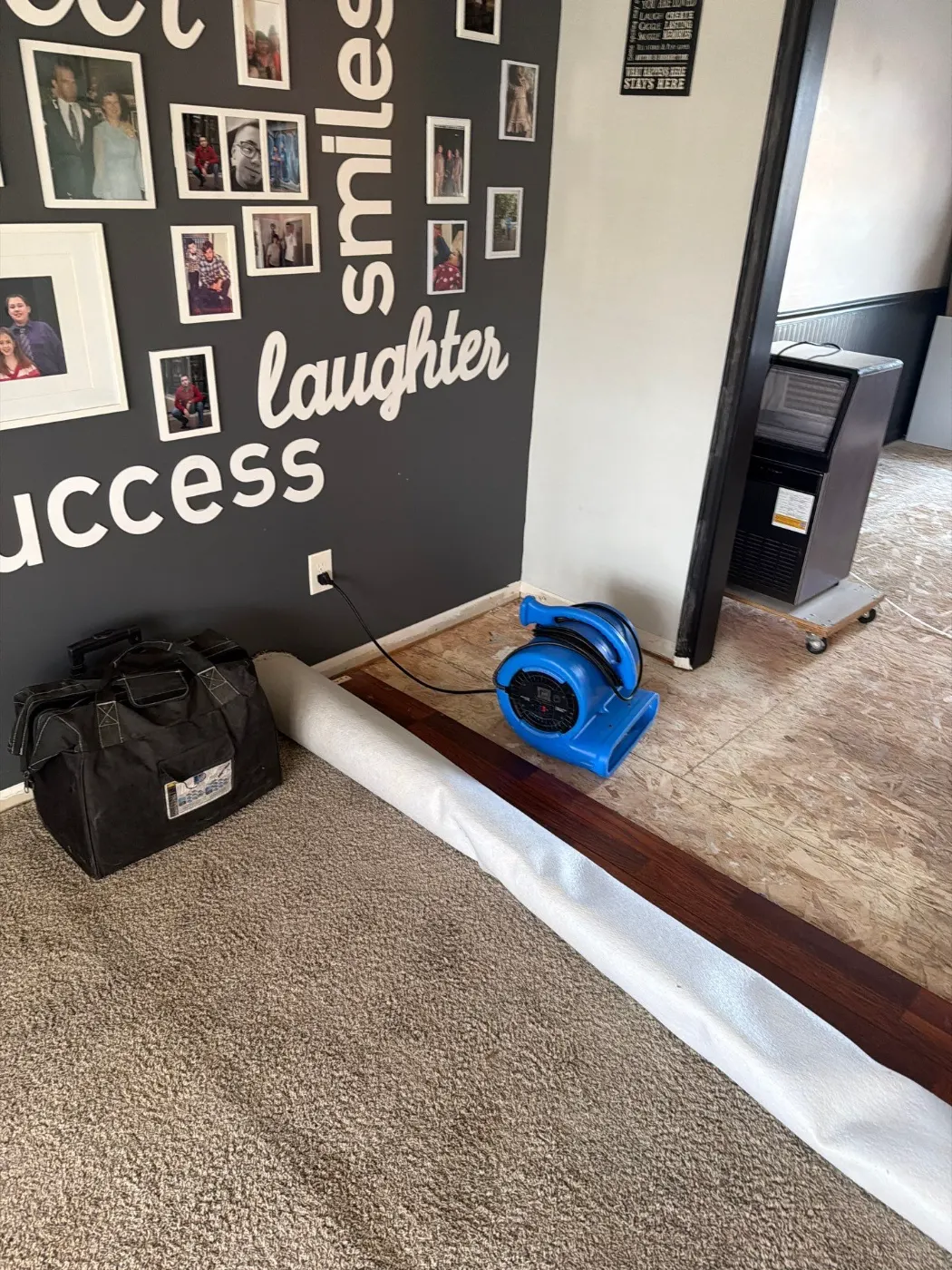
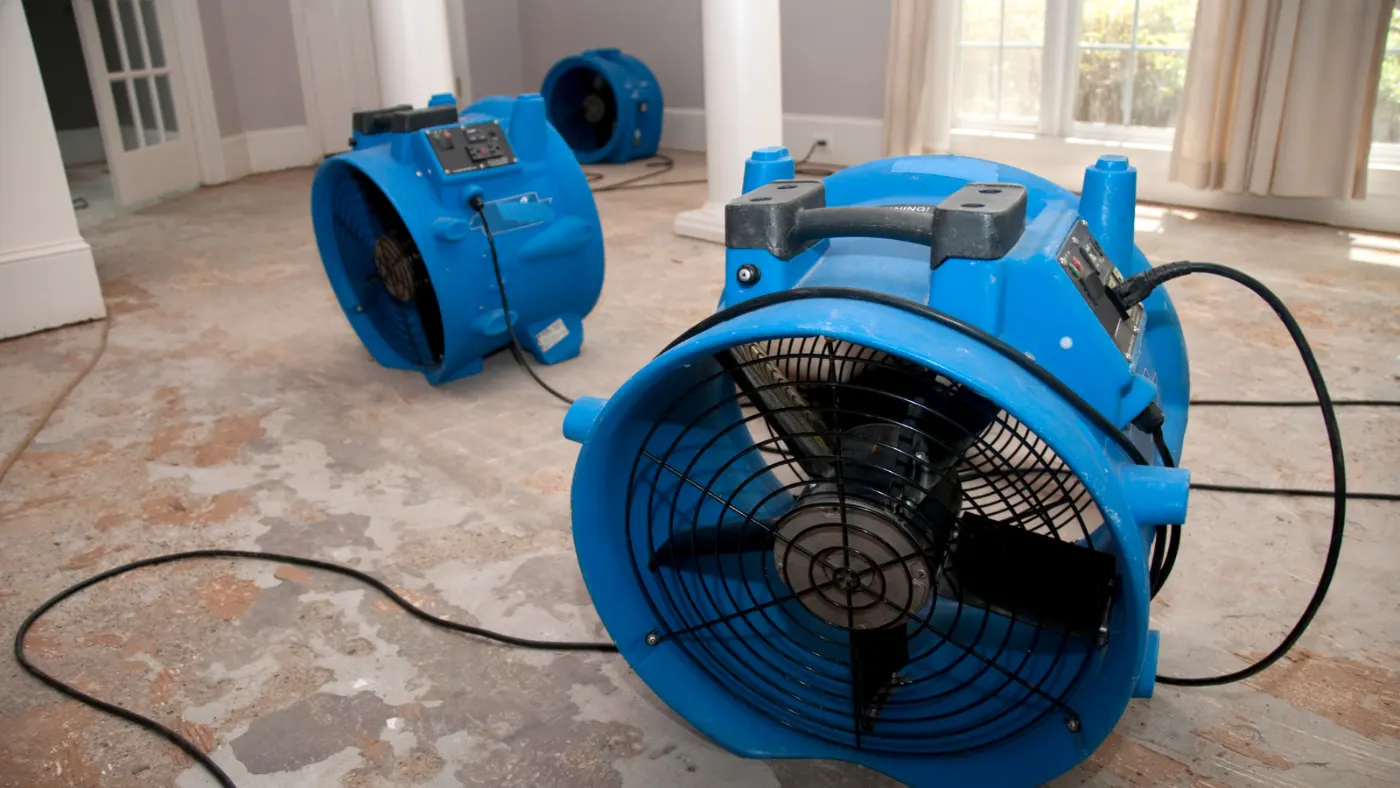
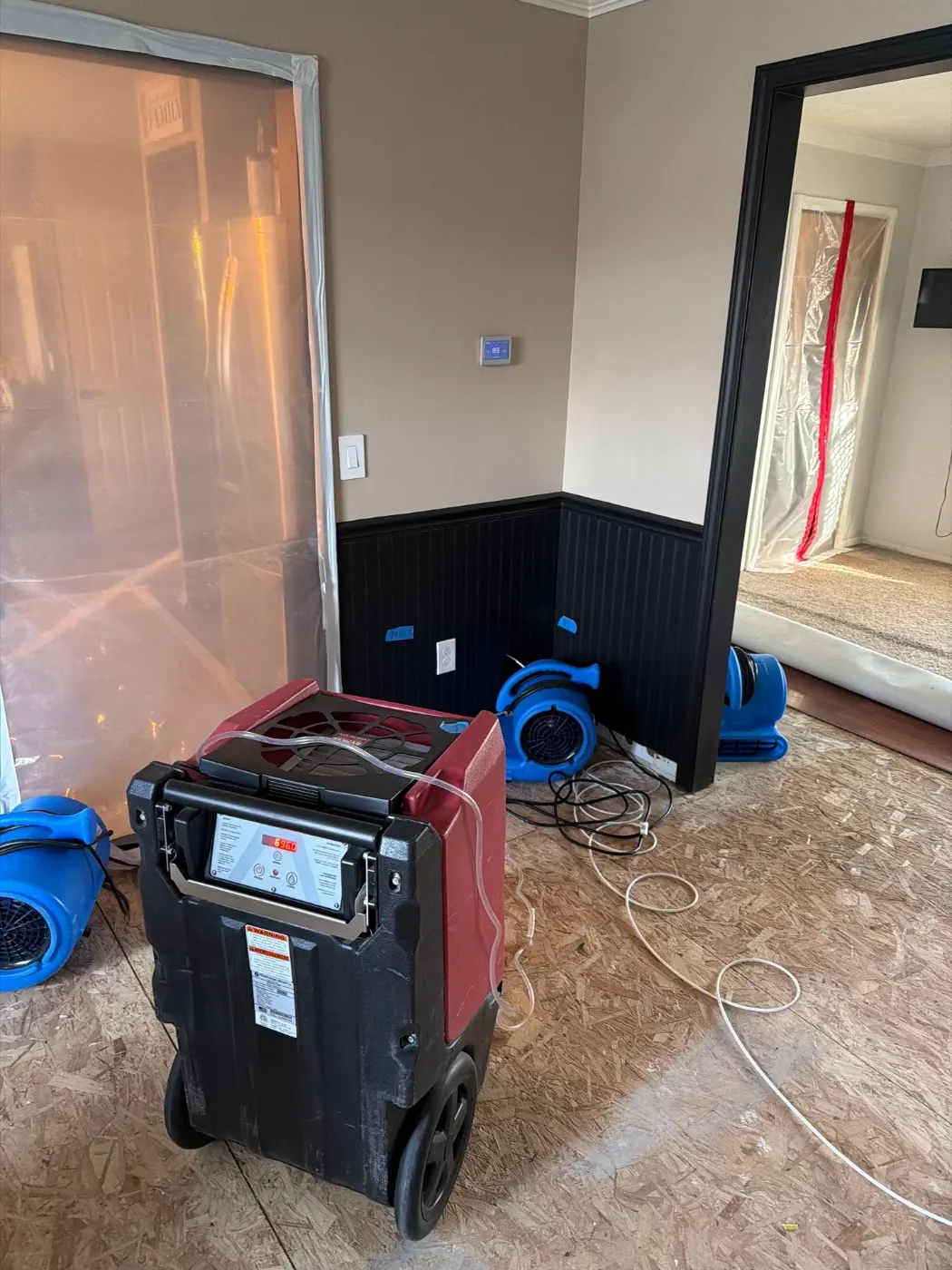
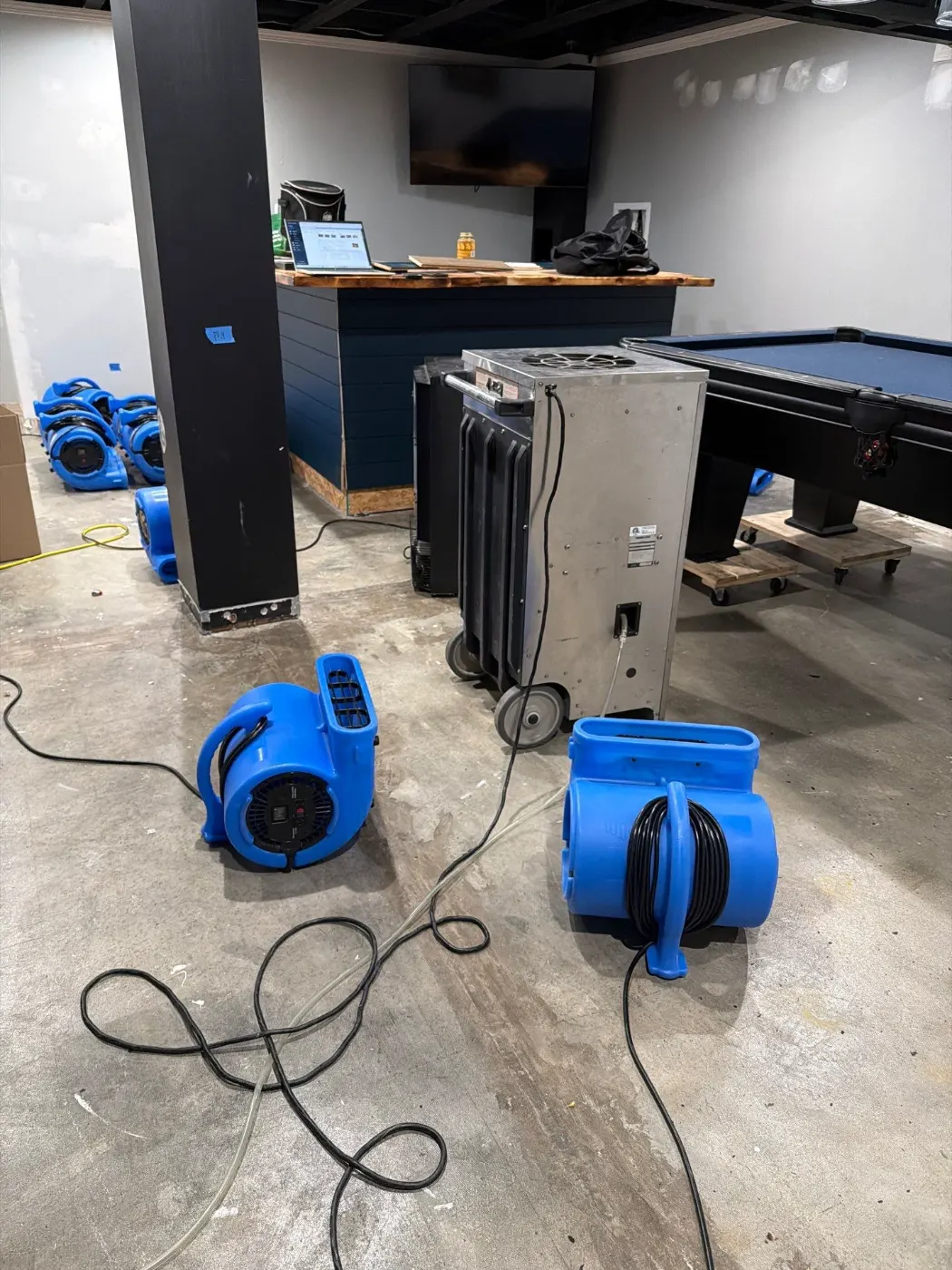
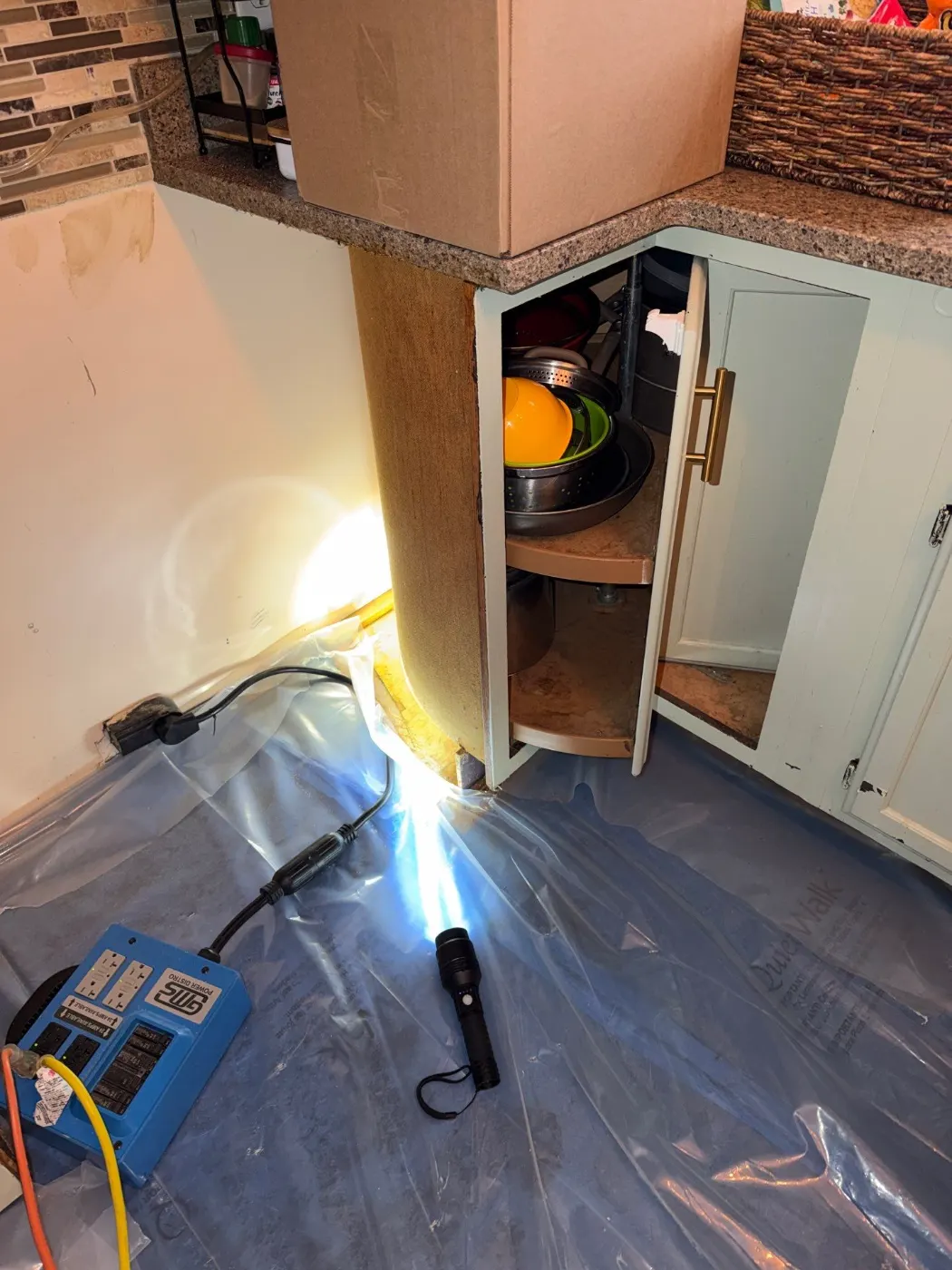
Photographs from real commercial sewage cleanup jobs completed by our crew in Williams Creek and surrounding areas.
Commercial Sewage Cleanup FAQ
Questions Williams Creek property managers ask us about commercial sewage cleanup.
Guidance and Standards for Commercial Sewage Cleanup
- The ANSI/IICRC S500 is the published standard for professional water damage restoration. The current edition is the Fifth Edition, 2021. IICRC S500 Standard
Williams Creek Neighborhoods We Serve
We take commercial sewage cleanup calls in every part of Williams Creek. Pick your neighborhood for local details.
Other Restoration Services in Williams Creek
Williams Creek Water Restoration handles the full scope of restoration work. Explore our other services below.
Water Damage Restoration in Williams Creek
24/7 emergency response. IICRC certified water restoration from extraction to full dry out.
Learn more →Basement Flooding in Williams Creek
Basement water emergencies handled fast. Extraction, drying, mold prevention.
Learn more →Sewage Cleanup in Williams Creek
Category 3 biohazard cleanup. Full containment, decontamination, structural restoration.
Learn more →Request Commercial Sewage Cleanup
Reach Us Directly
Our team is available 24/7 for emergencies and ready to schedule inspections during business hours.
Need Immediate Help?
For active water or mold emergencies, call us directly. We are available 24/7.