Storm Damage in Williams Creek, IN
Water coming through the roof in Williams Creek? A crew dispatches within 2 hours, weekends and holidays included.
Williams Creek Water Restoration handles Storm Damage for Williams Creek, IN homeowners: emergency dispatch around the clock, IICRC certified technicians, and insurance coordination on approved claims. Call (317) 342-7736.
- Service: Storm Damage for Williams Creek homeowners
- Service area: Williams Creek, IN and surrounding areas
- Response time: Emergency calls from Williams Creek dispatched immediately, day or night
- Licensed and insured (License #RC21100059)
- Serving Williams Creek, IN since 2018
Storm Damage Cleanup in Williams Creek
We'll dry out your home in Williams Creek after storm water gets in through the roof or the basement.
Storms Here
Tornado activity around Williams Creek runs slightly above the Indiana average. Severe thunderstorms come through in spring and summer. If your insurance company asks for a storm date, NWS Indianapolis keeps a list of past events.
Where Storm Water Ends Up
Homes near the creek of the same name can see rising water after heavy rain. With full basements common here, a big storm can bring water in from below as well as through the roof. That makes it a basement flooding job too.
After a storm we can be anywhere in Williams Creek, from Spring Mill Woods to the roads around St. Luke Catholic School and Meridian Hills Country Club. We also handle storm damage in Broad Ripple, Meridian Hills, Washington Township and Ravenswood.
Expert Storm Damage for Williams Creek Homeowners
Leave the wet insulation in place until the crew sees it, because the opening the storm made and the water path underneath it are what your insurance company will ask about. Williams Creek Water Restoration documents both on Williams Creek storm calls, starting with the entry point and the moisture readings room by room, then the scope that follows from them. Crews dispatch within 2 hours and the file goes together while the work runs.
Ask any company that bids your storm damage to show the readings behind its scope. Williams Creek Water Restoration puts a reading or a photo behind every line, from the tarp to the last ceiling patch in your Williams Creek home. If another bid replaces more ceiling or more insulation, those readings are the way to compare the two apples to apples.
Drying ends on numbers. Final readings get taken on every material that was wet, at the same marked locations, and compared against the unaffected baseline recorded on the first visit. Equipment comes out after that comparison is documented and containment comes down after the equipment. The verification sheet goes in your file with the rest of the readings.
Hidden damage behind a wall often shows up only after it's opened. When that happens, the crew photographs the cavity and takes readings, and you get the new scope in writing before the work changes. Many insurance companies review added damage as a supplement to the original claim, so the photos from your Williams Creek home matter.
One call gets a crew on the way to your Williams Creek, IN home, any hour of the day. Williams Creek Water Restoration covers the opening, pulls the water, and dries whatever the storm's gotten into. You keep every reading the crew takes.
Signs You Need Storm Damage Restoration
If you notice any of these in your Williams Creek home, schedule a free inspection before the issue worsens.
Clothes or boxes against an outside wall that feel damp after wind driven rain
Window or door trim swollen and sticking that opened and closed fine last week
A brown or yellow ring on a ceiling that got noticeably bigger after the last heavy rain
Window sill corners holding water or finish peeling after a windy storm
Plaster ceilings with fresh hairline cracks and a dull, damp look
Water on the basement floor after the power failed and the sump pump stopped
Thick ice built up in the gutter with icicles hanging along the edge of the eave
A musty smell that comes back in the same room after every rain and fades in between
Paint or texture blistering along the top of an exterior wall after a windy storm
Recessed ceiling lights with water droplets around the trim after heavy rain
How Williams Creek Water Restoration Handles Storm Damage
We follow these steps in order on every Williams Creek job.
Contents Protection
Furniture legs get blocked off wet flooring and small items move out of the water's reach, with photos taken of anything that shifts. Rugs and boxes in a flooded basement come up off the floor before extraction starts.
Wet Insulation Removal
Soaked batts and matted blown in get bagged out of the attic and the ceiling cavity, with type, depth and square footage recorded for the rebuild and for the claim. Wet insulation holds water against the ceiling board and loses its insulating value while it's wet.
Attic and Cavity Drying
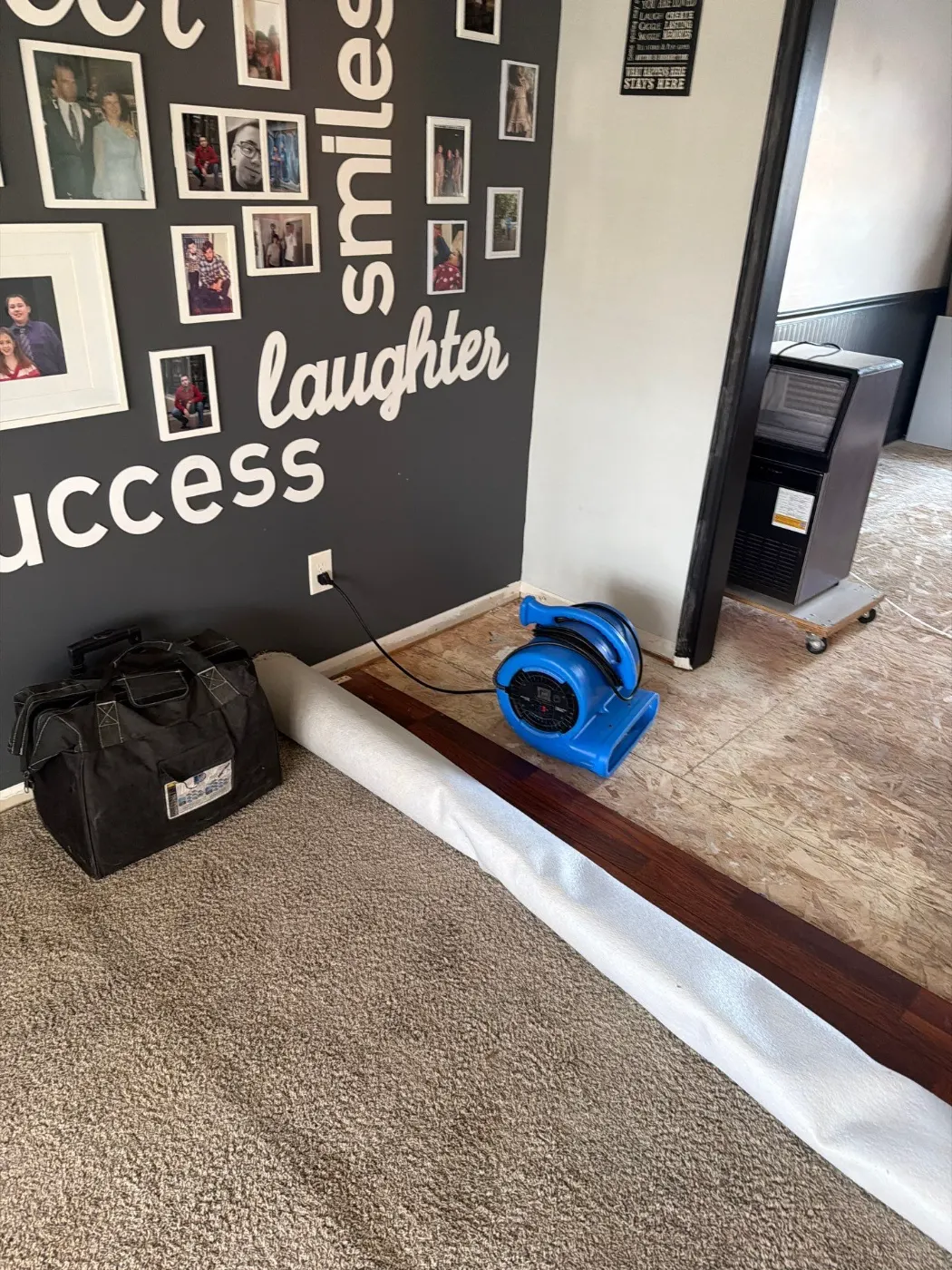
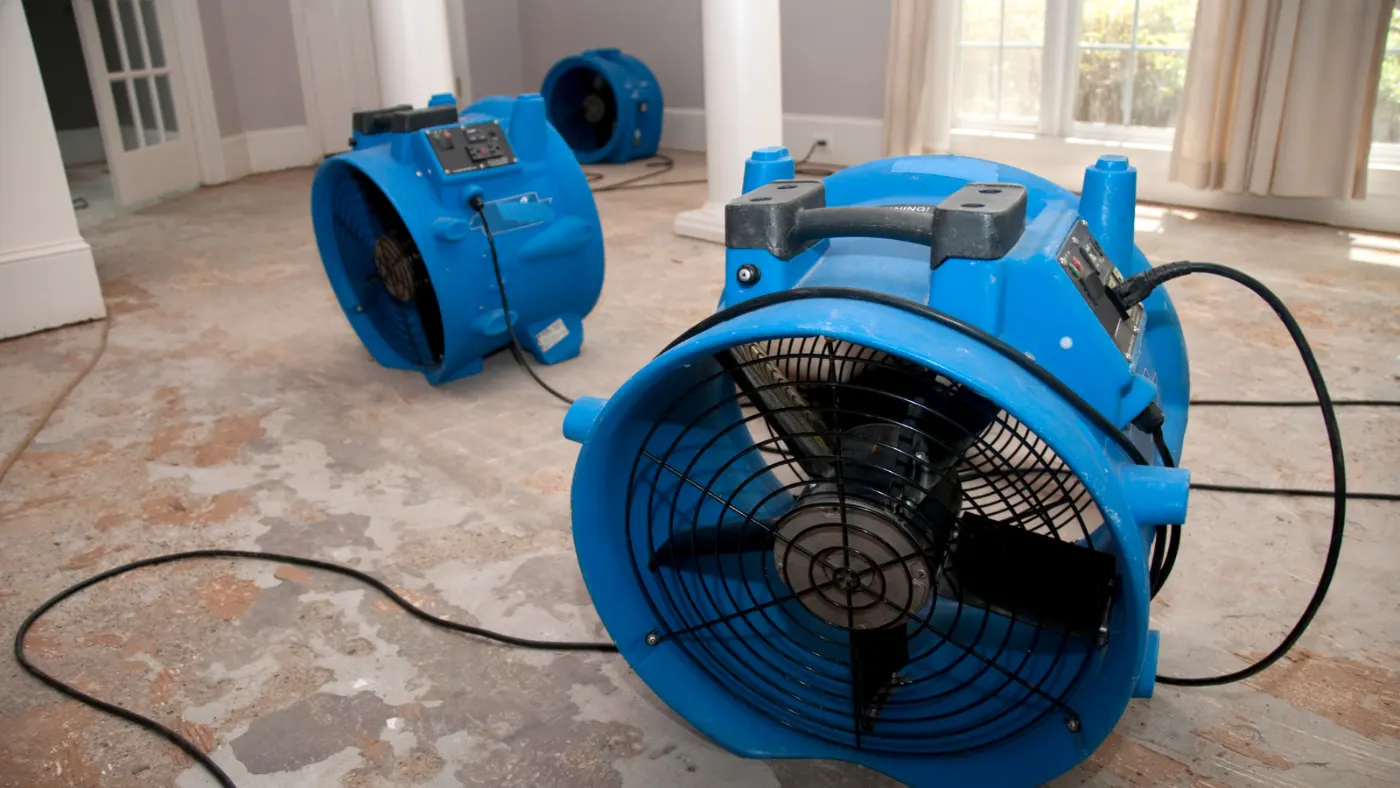
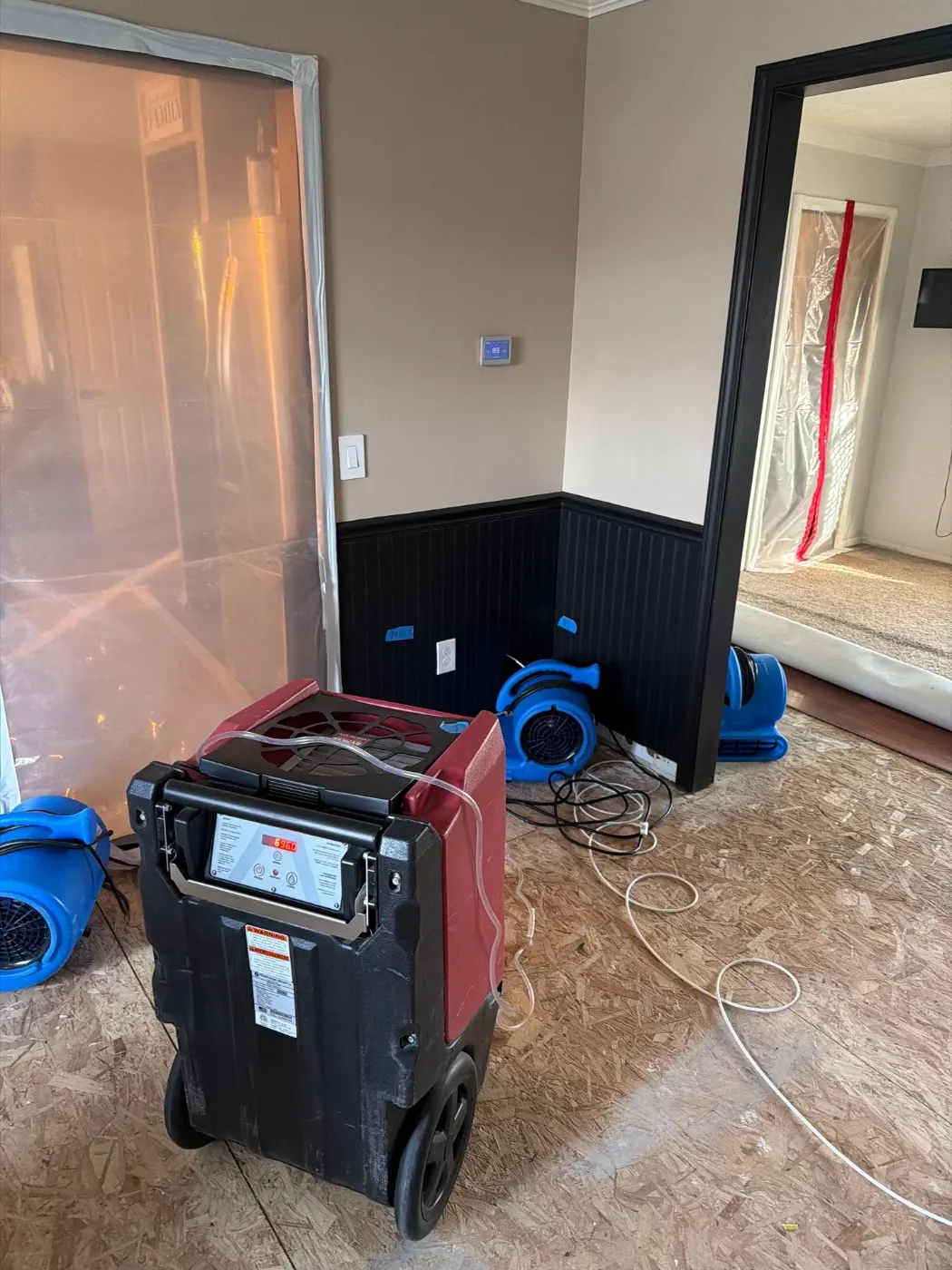
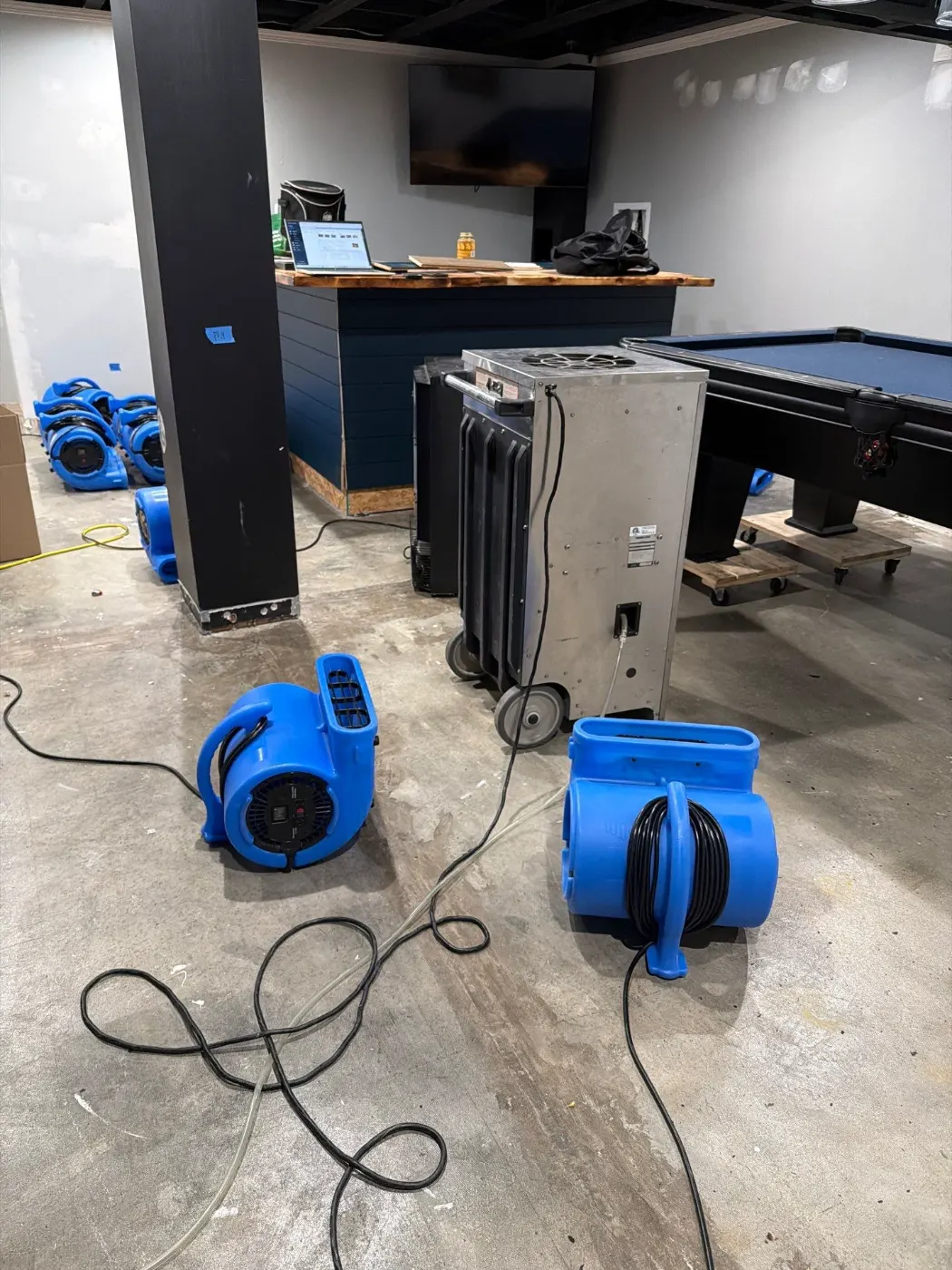
Air movers aim at wet surfaces, dehumidification is sized to the containment volume, and negative air cavity drying runs through small ports where a ceiling or wall doesn't have to come down to dry. Humidity gets tracked inside and outside the drying area.
Progress Review With You
Partway through the job the technician walks the rooms with you and compares today's readings to the first day's. You hear which rooms are dry and which are lagging, and changes to the plan get approved before they happen.
Photo Report
Entry point photos, the water path, the daily readings and the itemized scope go into a photo report you keep. The crew walks you through it, and you sign off on the scope in writing before there's any demolition.
Storm Damage in Williams Creek
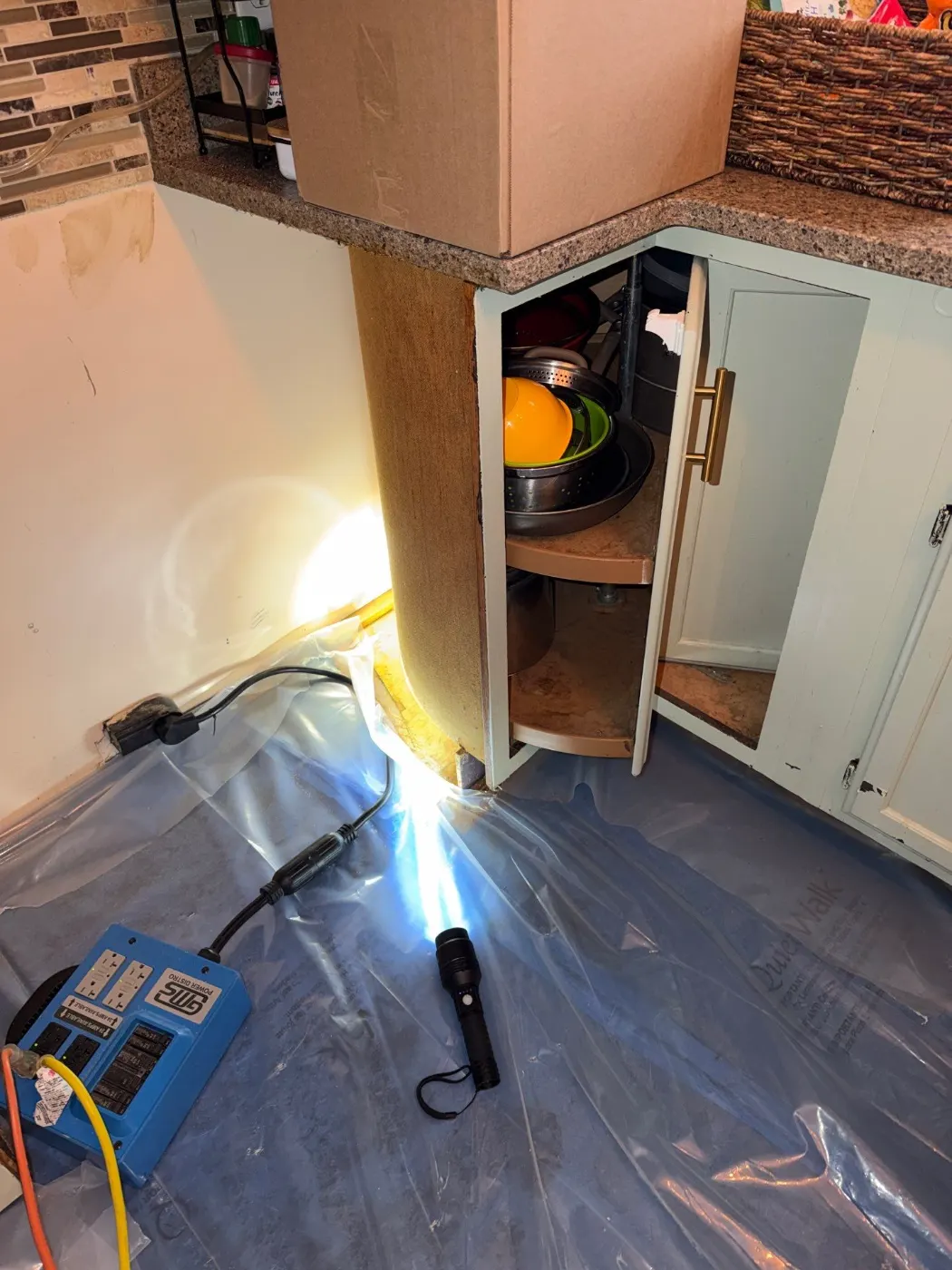
Photographs from real storm damage jobs completed by our crew in Williams Creek and surrounding areas.
Storm Damage FAQ
Questions Williams Creek homeowners ask us about storm damage restoration.
Guidance and Standards for Storm Damage
- The National Weather Service office in Indianapolis posts summaries of recent central Indiana storm and flood events. NWS Indianapolis Event Summaries
- The Indiana Department of Insurance advises against permanent repairs before your insurance company inspects the damage. Check your own policy for what it covers. Indiana Department of Insurance: Insurance Claim Tips
Williams Creek Neighborhoods We Serve
We take storm damage calls in every part of Williams Creek. Pick your neighborhood for local details.
Other Restoration Services in Williams Creek
Williams Creek Water Restoration handles the full scope of restoration work. Explore our other services below.
Water Damage Restoration in Williams Creek
24/7 emergency response. IICRC certified water restoration from extraction to full dry out.
Learn more →Basement Flooding in Williams Creek
Basement water emergencies handled fast. Extraction, drying, mold prevention.
Learn more →Sewage Cleanup in Williams Creek
Category 3 biohazard cleanup. Full containment, decontamination, structural restoration.
Learn more →Request Storm Damage Restoration
Reach Us Directly
Our team is available 24/7 for emergencies and ready to schedule inspections during business hours.
Need Immediate Help?
For active water or mold emergencies, call us directly. We are available 24/7.