Commercial Water Restoration in Williams Creek, IN
IT rooms, records and inventory protected while your Williams Creek building dries under controlled humidity.
Need Commercial Water Restoration in Williams Creek? Williams Creek Water Restoration answers 24/7 with certified crews, fast on-site response, and documentation built for your insurance claim. Call (317) 342-7736 now.
- Service: Commercial Water Restoration for Williams Creek homeowners
- Service area: Williams Creek, IN and surrounding areas
- Response time: Same day emergency response for Williams Creek; 24/7 availability
- Licensed and insured (License #RC21100059)
- Serving Williams Creek, IN since 2018
Commercial Water Damage Restoration in Williams Creek
We handle commercial water damage restoration throughout Williams Creek, and we'll stay on it from the first walkthrough to the final moisture readings.
Site Conditions
Properties near the creek of the same name carry added flood risk in heavy rain. A high water table and slow draining clay soil can keep water against foundations and lower levels after a storm. Your building's own drains and roof get checked on the first walkthrough with whoever manages the property.
We cover commercial properties across Williams Creek, including the area around North College Avenue and 81st Street. We also handle commercial water losses in Ravenswood, Nora, Broad Ripple and Meridian Hills.
Commercial Water Restoration for Williams Creek Businesses
Carpet that squishes underfoot in the fellowship hall on a Monday morning leaves a congregation with a calendar problem, because Sunday's service and the weekday preschool both need rooms that aren't dry yet. Williams Creek Water Restoration works with church staff and trustees in Williams Creek to dry the sanctuary and classrooms in zones, so the rooms your schedule depends on get attention first.
Commercial water damage work in Williams Creek follows the IICRC S500 water damage standard, and the IICRC S520 applies if mold turns up. Williams Creek Water Restoration logs readings by floor, location and material every day, so your management office can see the drying progress and ownership can see the basis for every day of equipment. Williams Creek Water Restoration has a water restoration manager who is IICRC certified.
After a sprinkler discharge in your Williams Creek building, the first call goes to the sprinkler contractor, who closes the control valve and drains the affected branch. Once the line is dead, the crew extracts the standing water and wipes down the grid and the surfaces that picked up rust or scale from the pipe. Drying equipment then goes through the plenum and the rooms below.
Choose one person to speak for the property with the carrier and give that person the file. Conflicting accounts from different staff members slow a claim down. Williams Creek Water Restoration sends every update for your Williams Creek building to that one contact, with the readings and photographs attached, so the carrier hears a single version of events.
Mention which other trades are already on site when you phone. Williams Creek Water Restoration sequences the extraction and drying around your plumber or sprinkler contractor, so work on the failed line and work on the water can move forward together in your Williams Creek building.
Signs You Need Commercial Water Restoration
If you notice any of these in your Williams Creek building, schedule a free inspection before the issue worsens.
Brown stains forming on ceiling tiles beneath a roof drain location after a storm
Musty odor at a return air grille that gets stronger when the HVAC runs
Musty smell in a stockroom or storage closet that wasn't there last week
White chalky deposits appearing on a block wall or along a slab control joint
The boiler or water heater room floor wet with no source anybody can point to
Resilient tile seams popping loose, with tiles rocking underfoot along a corridor
The tenant below reporting drips from light fixtures or air diffusers in their suite
Rust staining at the base of steel studs, shelving uprights or racking posts
Flush valve running over a weekend with water seeping into the hallway carpet
Ceiling tiles sagging or stained in a grid section that was dry at close of business yesterday
How Williams Creek Water Restoration Handles Commercial Water Restoration
We follow these steps in order on every Williams Creek job.
Engineering Walkthrough
Walkthrough runs with your building engineer to isolate the source, confirm which risers and panels are involved, and identify occupied areas that have to keep operating. Access needs and after hours windows get set during the same visit.
Air Handling Coordination
Units that serve the wet zone get identified with your engineer and HVAC contractor. Affected air handling is isolated or switched off, which keeps moisture from riding the return air to unaffected floors.
Moisture Mapping
Every affected area gets read with thermal imaging and both noninvasive and penetrating meters, floor by floor where water moved vertically. The crew photographs the source, and the readings set how much drying equipment each area needs.
Contents and Furniture Protection
Furniture and fixtures get labeled by room and photographed in place, then blocked up or moved to dry staging in the order the zones open. The inventory travels with the job file alongside the readings.
Selective Removal
Material comes out of your Williams Creek building where the meters and the water category support it, and stays where it can dry in place. Each cut is photographed and logged by location, and the list is reviewed with you in writing.
Commercial Water Restoration in Williams Creek
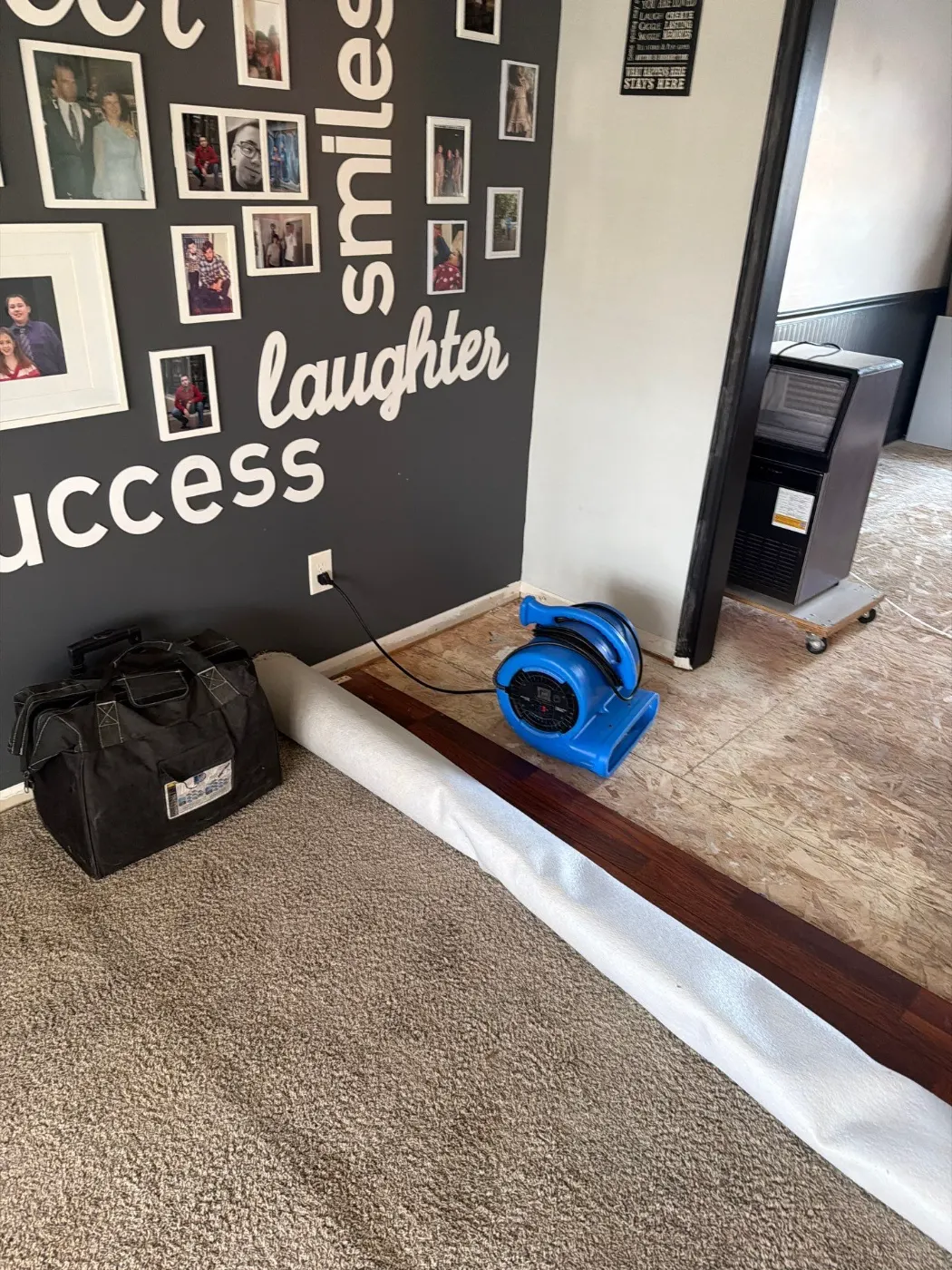
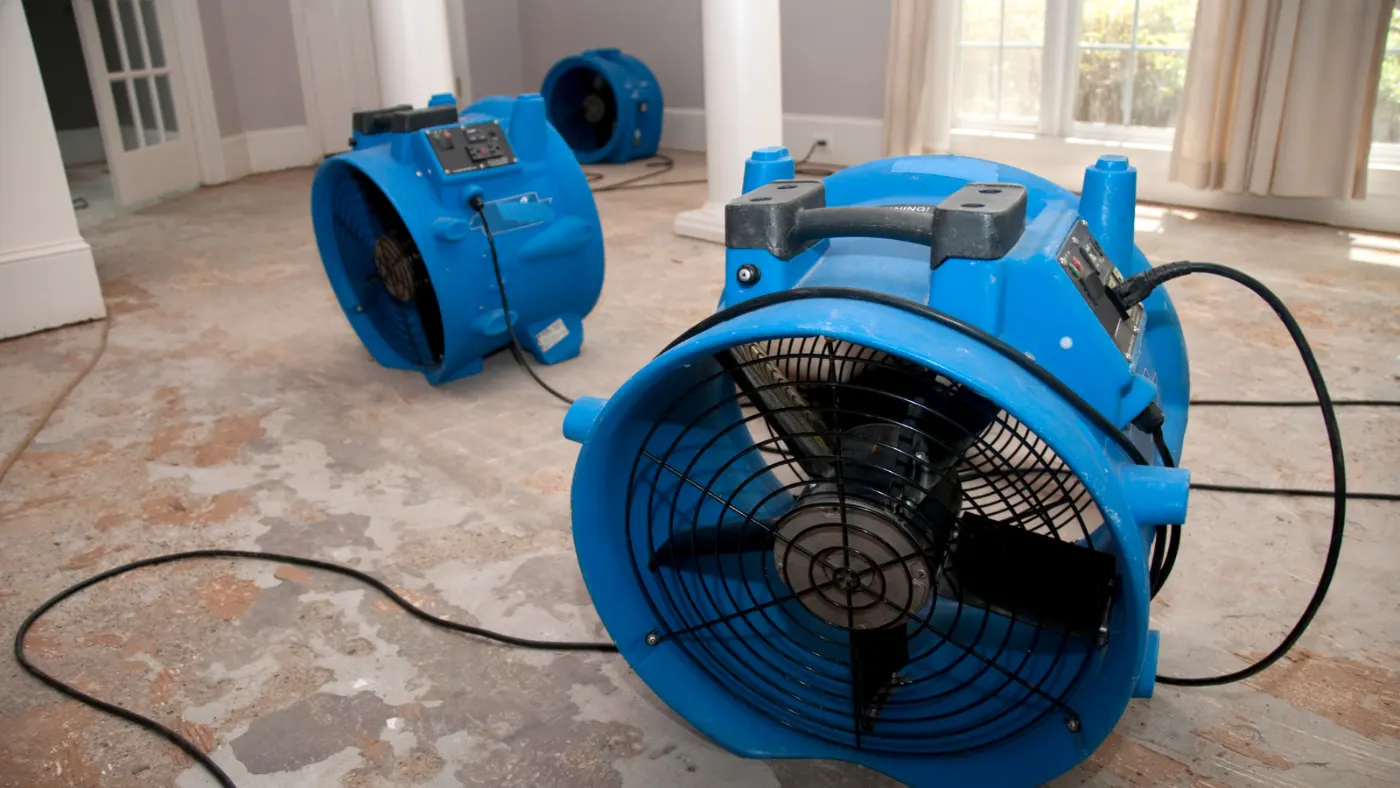
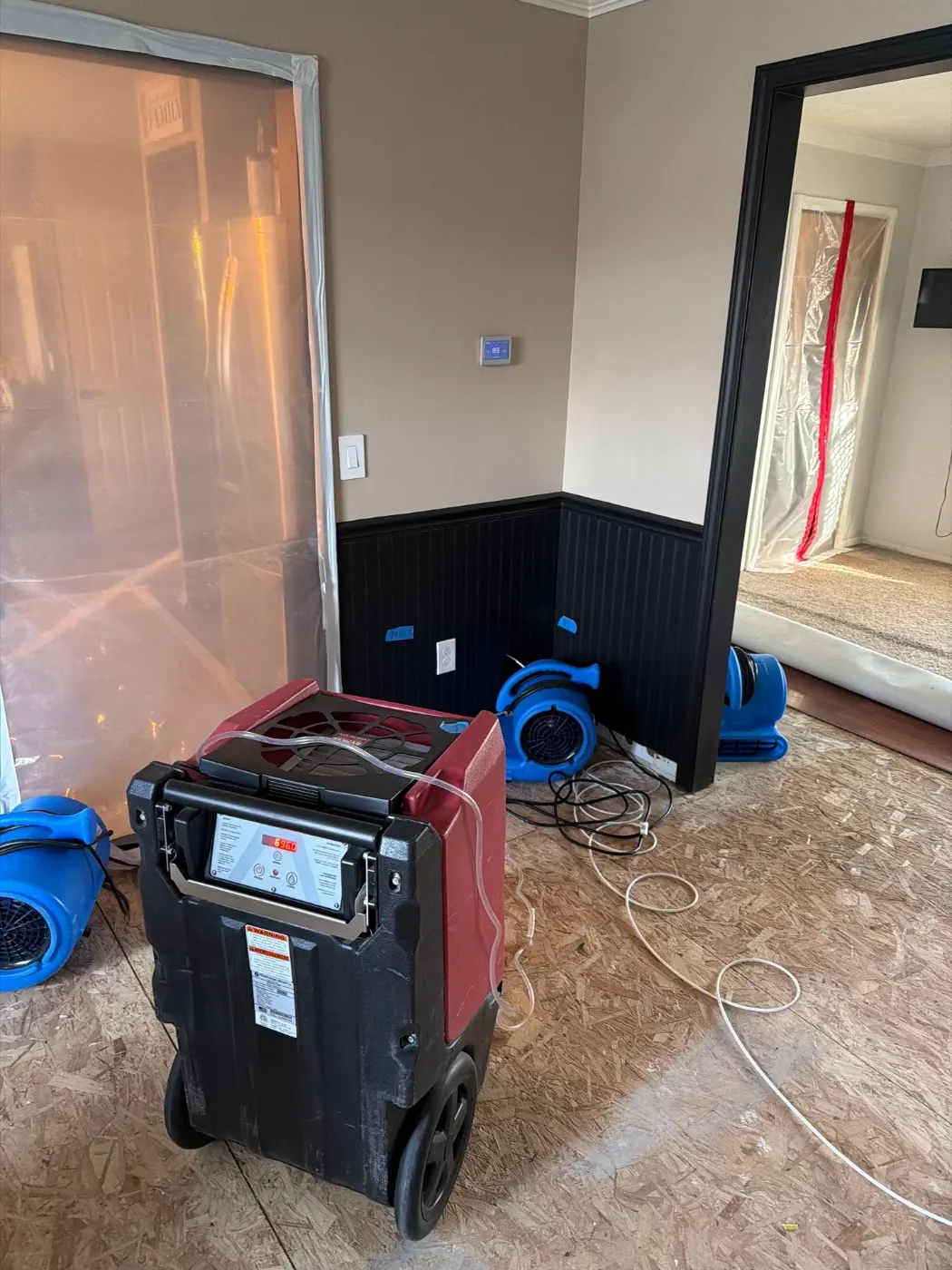
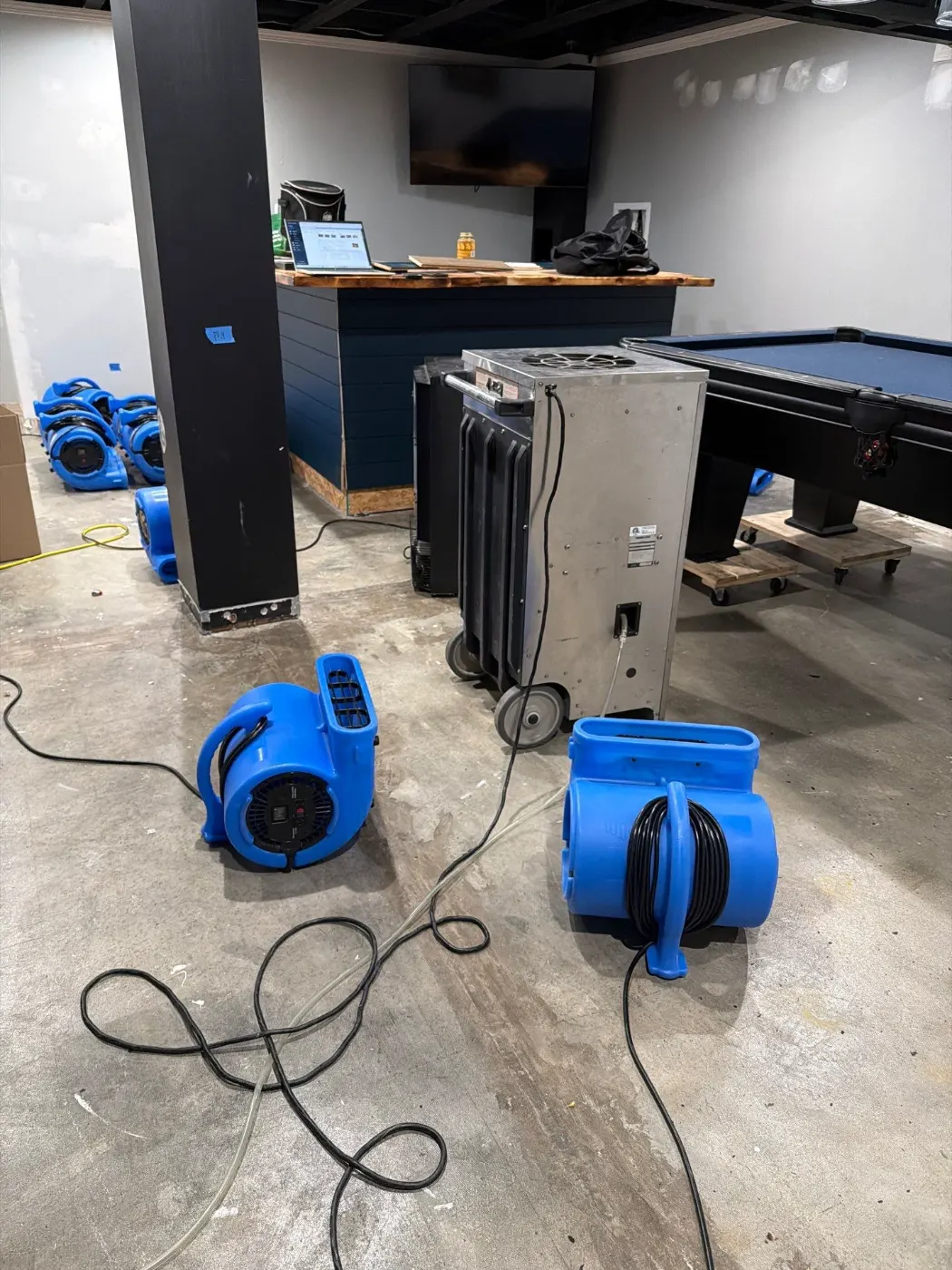
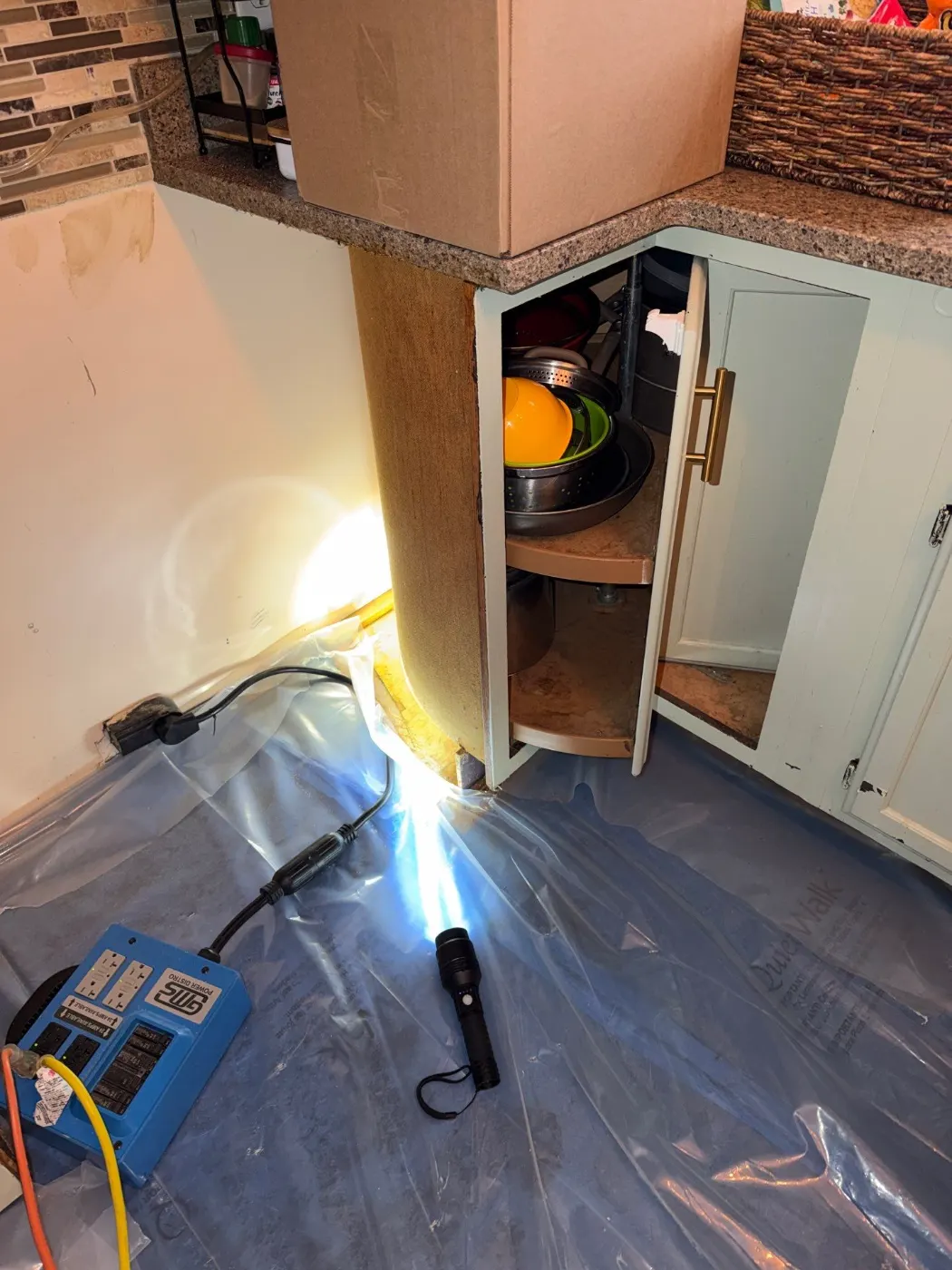
Photographs from real commercial water restoration jobs completed by our crew in Williams Creek and surrounding areas.
Commercial Water Restoration FAQ
Questions Williams Creek property managers ask us about commercial water restoration.
Guidance and Standards for Commercial Water Restoration
- The ANSI/IICRC S500 is the published standard for professional water damage restoration. The current edition is the Fifth Edition, 2021. IICRC S500 Standard
- EPA advises drying water damaged areas and items within 24 to 48 hours to prevent mold growth. EPA: A Brief Guide to Mold, Moisture and Your Home
Williams Creek Neighborhoods We Serve
We take commercial water restoration calls in every part of Williams Creek. Pick your neighborhood for local details.
Other Restoration Services in Williams Creek
Williams Creek Water Restoration handles the full scope of restoration work. Explore our other services below.
Water Damage Restoration in Williams Creek
24/7 emergency response. IICRC certified water restoration from extraction to full dry out.
Learn more →Basement Flooding in Williams Creek
Basement water emergencies handled fast. Extraction, drying, mold prevention.
Learn more →Sewage Cleanup in Williams Creek
Category 3 biohazard cleanup. Full containment, decontamination, structural restoration.
Learn more →Request Commercial Water Restoration
Reach Us Directly
Our team is available 24/7 for emergencies and ready to schedule inspections during business hours.
Need Immediate Help?
For active water or mold emergencies, call us directly. We are available 24/7.