Quick Answer
Hidden water damage from a slow leak usually shows up as discoloration, musty odor, warped flooring, or unexplained spikes in your water bill. Damage often extends 2 to 4 times beyond the visible stain. Professional detection uses moisture meters, thermal imaging, and cavity inspection. Cost to address ranges from a few hundred dollars for early stage drying to several thousand if framing, drywall, and mold remediation are involved.
Warning Signs Most Homeowners Miss
Slow leaks rarely announce themselves. The damage builds up in stages, and the visible symptoms lag behind the actual moisture spread. By the time a stain is obvious on the surface, the material behind it has often been wet for weeks or months.
Visible Indicators
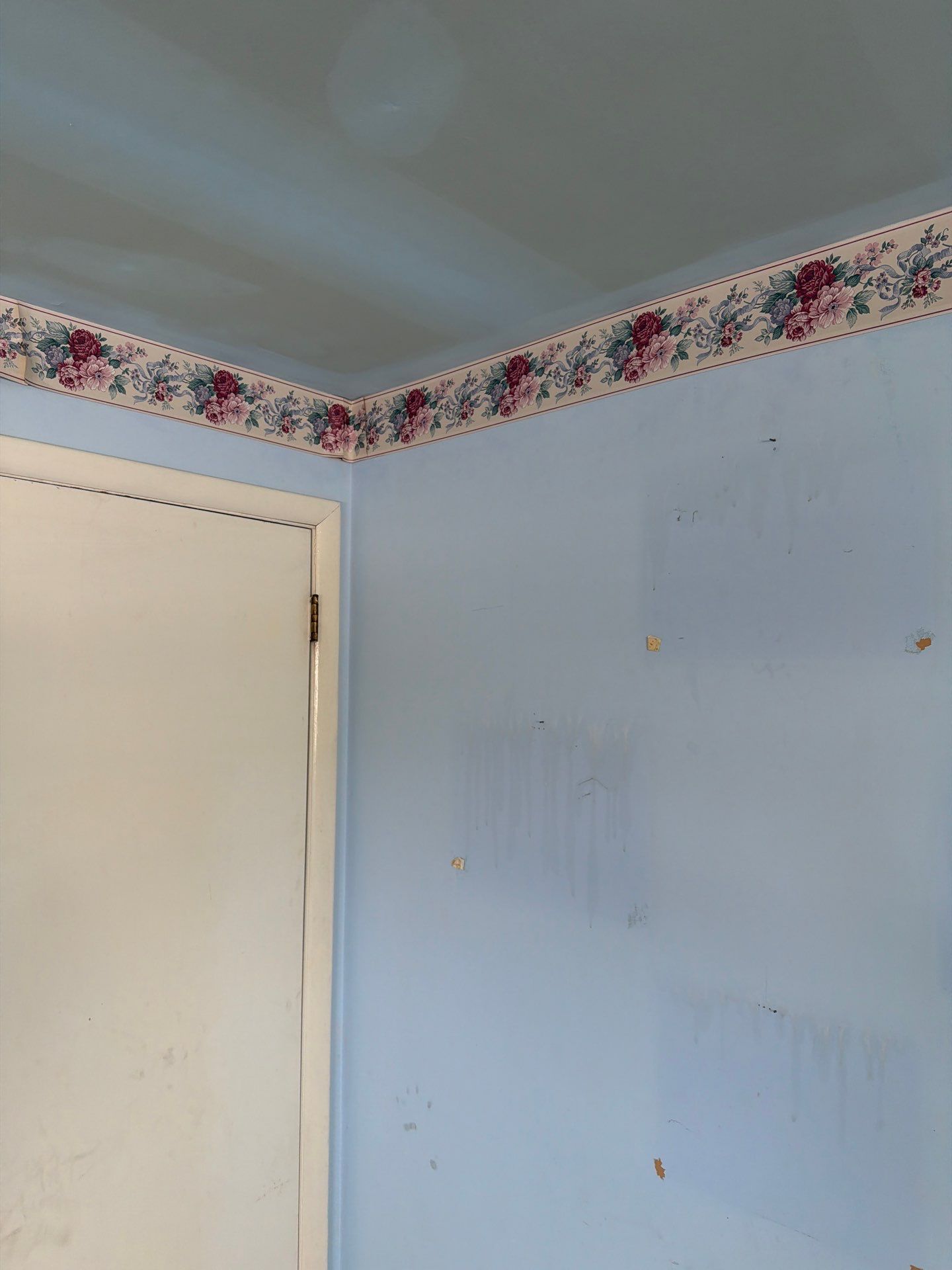
- Yellow, brown, or rust colored stains on ceilings or walls
- Paint that bubbles, cracks, or flakes in one localized area
- Baseboards that pull away from the wall or show swelling at the bottom edge
- Warped, cupped, or buckled hardwood, laminate, or vinyl plank flooring
- Grout discoloration or loose tiles around tubs and showers
- Nail pops or seam cracks appearing in drywall that was previously smooth
- Efflorescence (white chalky residue) on basement walls or concrete floors
Sensory and Utility Clues
- Musty or earthy smell in a closet, cabinet, or basement corner
- Cold spots on walls or floors when nothing else explains it
- Water bill increases of 10 to 30 percent without a usage change
- Sound of running water when every fixture is off
- Visible mold along caulk lines, register vents, or behind furniture
- Increased allergy or sinus symptoms in one specific room of the home
- Insects (especially silverfish, carpenter ants, or termites) appearing where they have not before
Drying and Restoration Timeline
Once the leak is stopped, the clock on drying starts. Slow leak damage is trickier than burst pipe damage because moisture has migrated into materials that resist drying, like dense framing lumber, plaster, and engineered subfloor panels.
- Day 1: Inspection, moisture mapping, containment setup, removal of unsalvageable materials
- Days 2 to 4: Air movers and dehumidifiers run continuously, daily moisture readings
- Days 5 to 7: Cavity drying for wall and subfloor assemblies, mold sampling if warranted
- Week 2 and beyond: Reconstruction, paint, flooring reinstall, final clearance
What Our Assessment Includes
When you call, a crew arrives in most cases within 2 hours. The free assessment covers moisture mapping with calibrated meters, thermal imaging of suspect walls and ceilings, identification of the leak source, a written scope of work, and direct conversation about whether the damage warrants full restoration or a smaller repair. If the answer is the smaller repair, we say so. Homeowners across Williams Creek call us expecting a sales pitch and leave the conversation with a clear picture of what is actually wet, what is salvageable, and what the realistic path forward looks like.
Repair Cost Ranges
Insurance and Documentation
Slow leaks sit in a gray zone for most homeowner policies. Sudden and accidental water damage is typically covered, but long term seepage often is not. The line between the two comes down to documentation and timing.
What Helps Your Claim
- Photos of the visible damage taken the day you discovered it
- A plumber's invoice identifying the failed component and a probable failure date
- Moisture readings and a written scope from a restoration professional
- Copies of recent water bills showing the usage spike
What Hurts Your Claim
- Delayed reporting after you noticed staining or odor
- Self repairs that remove evidence of the original failure
- Visible signs of prior repainting or patching over the affected area
We document everything during the assessment so adjusters have what they need. If coverage is denied, that same documentation helps you make informed choices about scope and budget.
When to Call a Professional
Some slow leaks are genuinely small and stay small. Others look small and are not. Use this checklist to decide.
Handle It Yourself If
- The leak source is identified, accessible, and already fixed
- The wet area is under about 10 square feet of hard surface
- No carpet, drywall, or cabinetry is involved
- You can dry the area completely within 24 to 48 hours
Call Williams Creek Water Restoration If
- Staining extends across drywall, ceiling, or flooring
- You notice musty odor or visible mold
- The leak ran undetected for more than a few days
- Insulation, framing, or subfloor is involved
- You see staining on a level below where the leak originated
Mold growth becomes a real concern fast, and our overview of how fast mold grows after water damage explains the 48 hour rule that drives our response timelines. For broader context on what professional water damage restoration includes, our service page lays out the full scope.
Where Slow Leaks Hide
Knowing the common origin points helps you investigate before damage compounds. Our crews see the same locations repeatedly across Williams Creek.
| Location | Typical Source | Damage Pattern |
|---|---|---|
| Under kitchen sink | Supply line, disposal seal, drain trap | Cabinet floor rot, subfloor staining |
| Behind dishwasher | Hose clamp, inlet valve | Wall framing, adjacent flooring |
| Toilet base | Wax ring failure, supply line drip | Subfloor decay, ceiling stain below |
| Shower wall | Failed grout, valve gasket | Backside drywall, stud rot |
| Refrigerator water line | Compression fitting, cracked tubing | Hardwood cupping, mold under unit |
| Attic or ceiling | Roof flashing, HVAC condensate | Insulation saturation, drywall sag |
| Water heater closet | Tank seepage, T&P valve drip | Pan overflow, adjacent wall rot |
| Window frames | Failed caulk, flashing gap | Sill rot, interior trim staining |
For a deeper look at moisture trapped inside wall cavities, our guide on water damage behind walls and hidden leak detection covers the inspection methods we use on site.