How fast can someone actually get to my Williams Creek home?
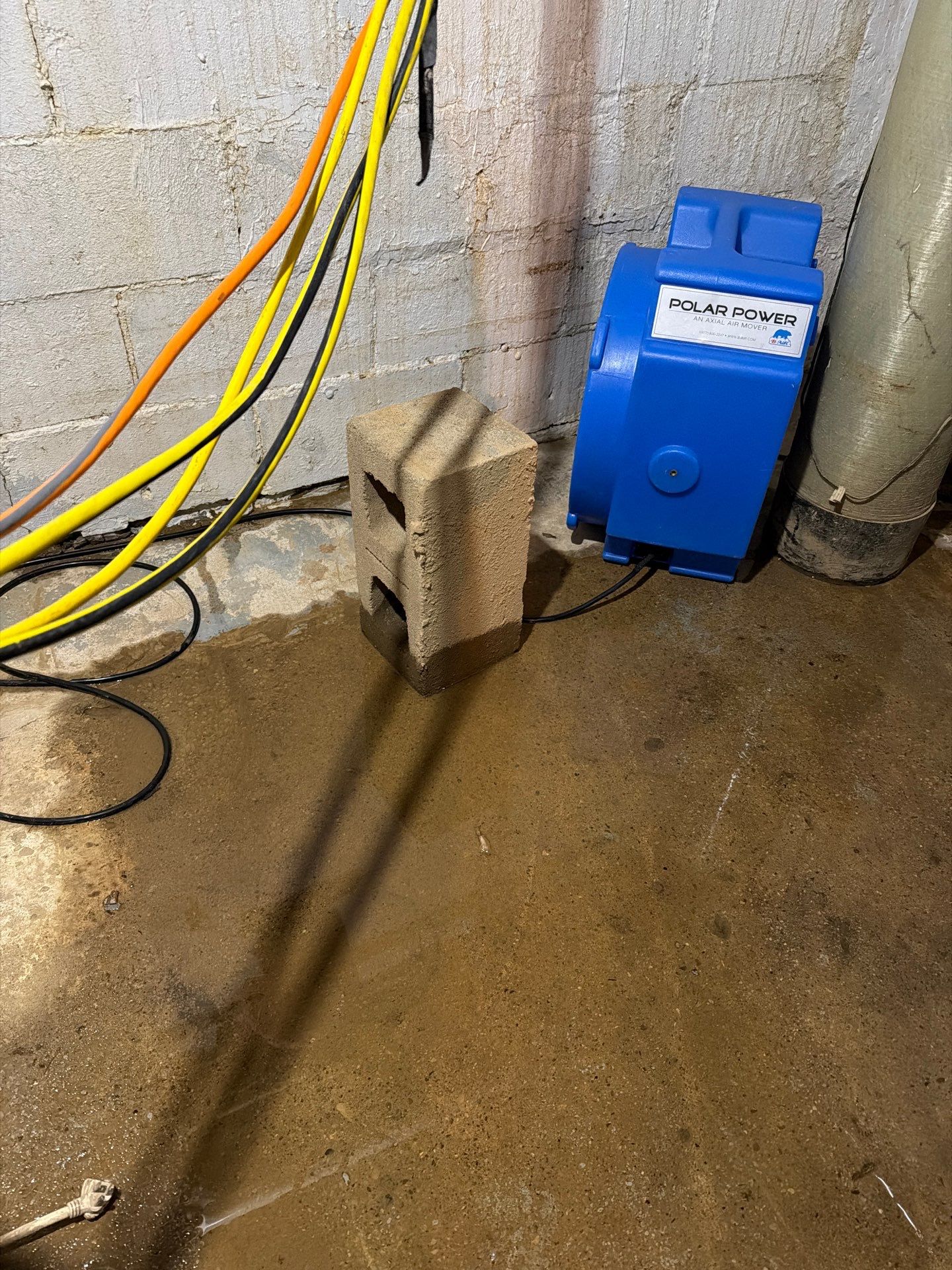
Our standard target for emergency water removal in Williams Creek and the surrounding service area is 60 to 90 minutes from the time you call. On nights when a major storm hits and dispatch is stacked, that can stretch to two or three hours, and we will tell you that on the phone instead of promising something we cannot deliver. The first truck rolls with a technician, a truck-mounted or portable extractor, moisture meters, and enough air movers to start drying the moment water is out. Speed matters because the clock on secondary damage starts immediately, and the 24 to 48 hour mold window is real, not a sales pitch.
While you wait, the dispatcher will stay on the line if you need help locating your main water shutoff or your electrical panel. We have walked plenty of Williams Creek Water Restoration customers through that first five minutes by phone, and it often saves thousands in damage before our truck even turns onto the street. If you have already shut the water off and moved valuables, tell us, because that changes how we stage the truck on arrival.
What does emergency water removal cost in Williams Creek?
Honest ranges, not bait pricing. A small, clean-water loss in a single room (think a 200 square foot area from a supply line) typically runs $500 to $1,500 for extraction, drying equipment, and three to four days of monitoring. A finished basement with one to two inches of water across 800 to 1,200 square feet usually lands between $2,500 and $7,500 depending on how much carpet pad, drywall, and insulation has to come out. Category 3 sewage losses start higher, often $4,000 and up, because of containment, PPE, and disposal requirements. Most jobs are covered by homeowners insurance when the cause is sudden and accidental, and we bill the carrier directly on approved claims.
The variables that move pricing the most are square footage of wet material, the category of water, access difficulty (a crawlspace doubles labor), and how much demolition is required to reach the wet cavity. After-hours calls between 10 PM and 6 AM may carry a modest emergency surcharge, but it is disclosed before the truck rolls. Williams Creek Water Restoration does not charge for the initial assessment, and we will not start work until you have seen the scope in writing.
What if the water is from a sewer backup or sump pump failure?
Treat it as Category 3 until proven otherwise. That means no walking through it in regular shoes, no kids or pets in the area, and no running the HVAC if returns are in the affected space. Sewage carries bacteria, viruses, and in older Williams Creek homes, sometimes solids you do not want aerosolized by a fan. Our sewage protocol includes containment barriers, negative air machines with HEPA filtration, antimicrobial application, and removal of any porous material the contamination touched. Pricing is higher because the work is harder and the liability is real.
What should I do in the ten minutes before the crew arrives?
Shut off the water at the main if the source is plumbing, and kill power to the affected rooms at the breaker if it is safe to reach the panel without standing in water. Move photographs, electronics, and small furniture to a dry room. Lift the skirts on upholstered furniture or slide foil under the legs so dye does not bleed into wet carpet. Do not lift wet drywall yourself, and do not run ceiling fans in a room with a sagging ceiling. Take phone photos of everything before anyone touches it. That five-minute photo set is often what gets a borderline claim approved by your carrier later.
Will my insurance actually pay for this?
Usually yes, if the water came from a sudden event like a burst pipe, a failed water heater, an overflowing fixture, or a storm-driven roof leak. Gradual leaks, long-term seepage, and unmaintained sump pumps are the common denials. We document everything from the first walkthrough: photos, moisture maps, affected materials, and dry standard readings, which is the language adjusters expect. If you want to understand the process before the adjuster calls, our guide on filing a water damage insurance claim walks through deductibles, ACV versus RCV, and what to never say to the carrier.
What happens in the first hour after your crew arrives?
The lead technician does a safety check first. Power gets killed to any affected outlet or panel area, and gas appliances sitting in water are flagged. Then we identify the source and stop it if it has not been stopped already. Extraction starts in the lowest, wettest area and moves outward. While one tech pulls water, another maps moisture with penetrating and non-penetrating meters so we know exactly how far the water traveled inside walls and under cabinets. By the end of hour one on a typical residential loss, standing water is gone and air movers are running. You get a written scope and a price before drying equipment stays overnight.
How long until my home is fully dry and back to normal?
Drying typically takes three to five days for residential losses, longer for hardwood, plaster, or concrete slabs. Reconstruction (drywall, paint, flooring, trim) adds one to three weeks depending on scope and material lead times. We monitor daily, adjust equipment placement based on readings, and pull the gear the day the structure hits dry standard. You will get a final moisture report you can keep for your records or hand to a future buyer.
Do I need to remove drywall and flooring, or can it be dried in place?
It depends on the category of water and how long it sat. Clean water caught in the first 24 hours can often be dried in place, including carpet with the pad replaced. Gray water (dishwasher, washing machine, clean toilet overflow) sometimes saves the flooring but rarely the pad. Black water from sewage or ground flooding is non-negotiable: porous materials come out. We follow IICRC S500 standards on this, not guesswork, and we will show you the meter readings that justify whatever we recommend. If your situation involves a flooded lower level, the realities described in our basement flooding service overview apply directly.
Hardwood floors are the most common judgment call. Solid oak that has cupped but not crowned can often be dried with mat systems over seven to ten days and refinished rather than replaced, saving the homeowner $8 to $14 per square foot. Engineered hardwood almost never survives because the glue layer delaminates. We will tell you which camp your floor falls into within the first hour.
Can I just rent equipment and dry it myself?
Sometimes, yes. A clean spill under 50 square feet caught immediately, with no migration into walls or subfloor, is a reasonable DIY. Beyond that, rental fans do not move enough air, big-box dehumidifiers do not pull enough grains per pound, and homeowners almost always pull equipment too early because the surface feels dry. The wall cavity is still at 25 percent moisture content, and three weeks later mold shows up behind the baseboard. If you are unsure, we do free assessments in Williams Creek and will hand you a meter reading either way. Our checklist on first steps after water damage covers what you can safely do before we arrive.